ISLAMABAD: The United Arab Emirates Ministry of Foreign Affairs has expressed deep concern over renewed military clashes between Pakistan and Afghanistan, urging both sides to exercise restraint and prioritize dialogue to prevent further escalation in the region.
In a statement issued Saturday, the UAE called for de-escalation and warned against actions that could further destabilize South Asia.
The ministry stressed the importance of reason and diplomacy in resolving disputes, reaffirming the UAE’s support for initiatives aimed at strengthening security, stability and development for both nations.
The diplomatic appeal came as Pakistan carried out what officials described as its most extensive military strikes inside Afghanistan since the Taliban returned to power in 2021.
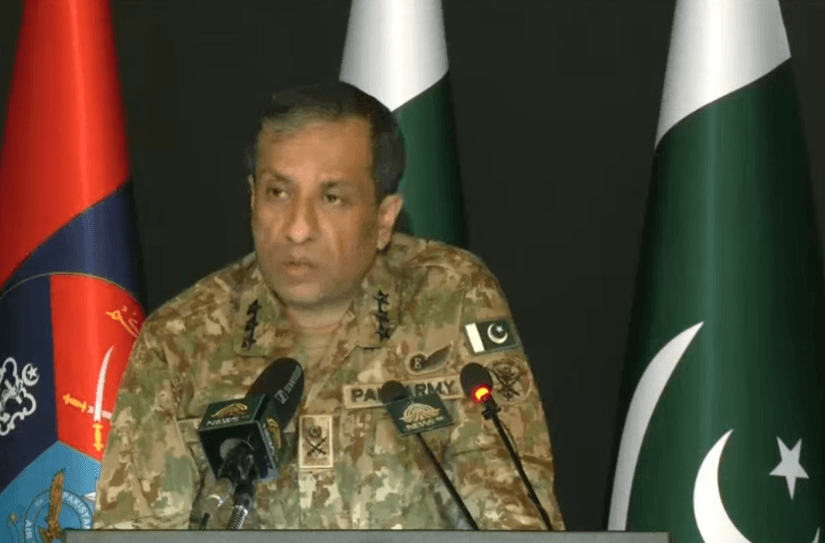
Pakistani authorities said the operations targeted multiple locations, including Kabul and Kandahar, in response to what they termed unprovoked cross-border attacks originating from Afghan territory. Islamabad declared a state of “war footing,” signaling heightened military readiness.
Pakistani officials maintained that the strikes were defensive in nature and aimed at degrading militant capabilities allegedly being used to threaten Pakistan’s national security. They emphasized that the operations fall within Pakistan’s sovereign right to self-defense under international law.
Washington signaled support for Islamabad’s position. The United States’ stance was formally conveyed by Allison Hooker, the US under secretary of state for political affairs, who said after talks with her Pakistani counterpart that the United States “expressed support for Pakistan’s right to defend itself against Taliban attacks.”
International reactions, however, were mixed. The European Union urged both sides to step back from further confrontation. EU foreign policy chief Kaja Kallas called for immediate de-escalation and a return to dialogue amid rising violence.
“The EU reiterates that Afghan territory must not be used to threaten or attack other countries and calls on the Afghan de facto authorities to take effective action against all terrorist groups operating in or from Afghanistan,” Kallas said in a statement.
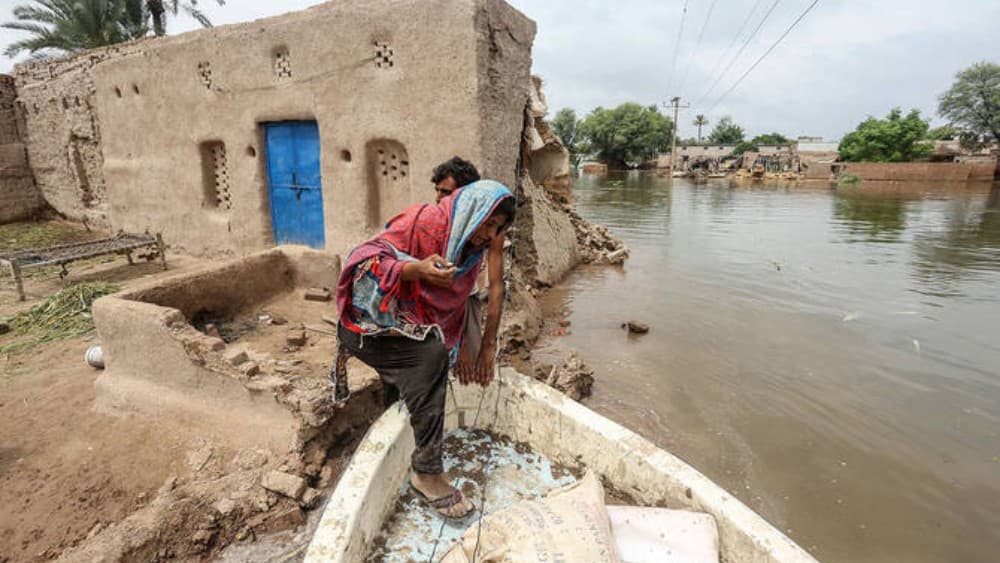
Concerns were also voiced by the United Nations and the International Committee of the Red Cross, both of which highlighted the humanitarian risks of escalating conflict. Britain, Norway and Azerbaijan similarly called for restraint and immediate de-escalation.
Meanwhile, diplomatic efforts are underway to contain tensions. China, Saudi Arabia and Qatar have reportedly initiated contacts aimed at facilitating dialogue between Islamabad and Kabul.
As regional and global stakeholders urge calm, Pakistan has reiterated that its actions are a necessary response to sustained cross-border aggression, while emphasizing its commitment to regional peace and stability. The evolving situation continues to draw close international scrutiny amid fears of broader instability in South Asia.