


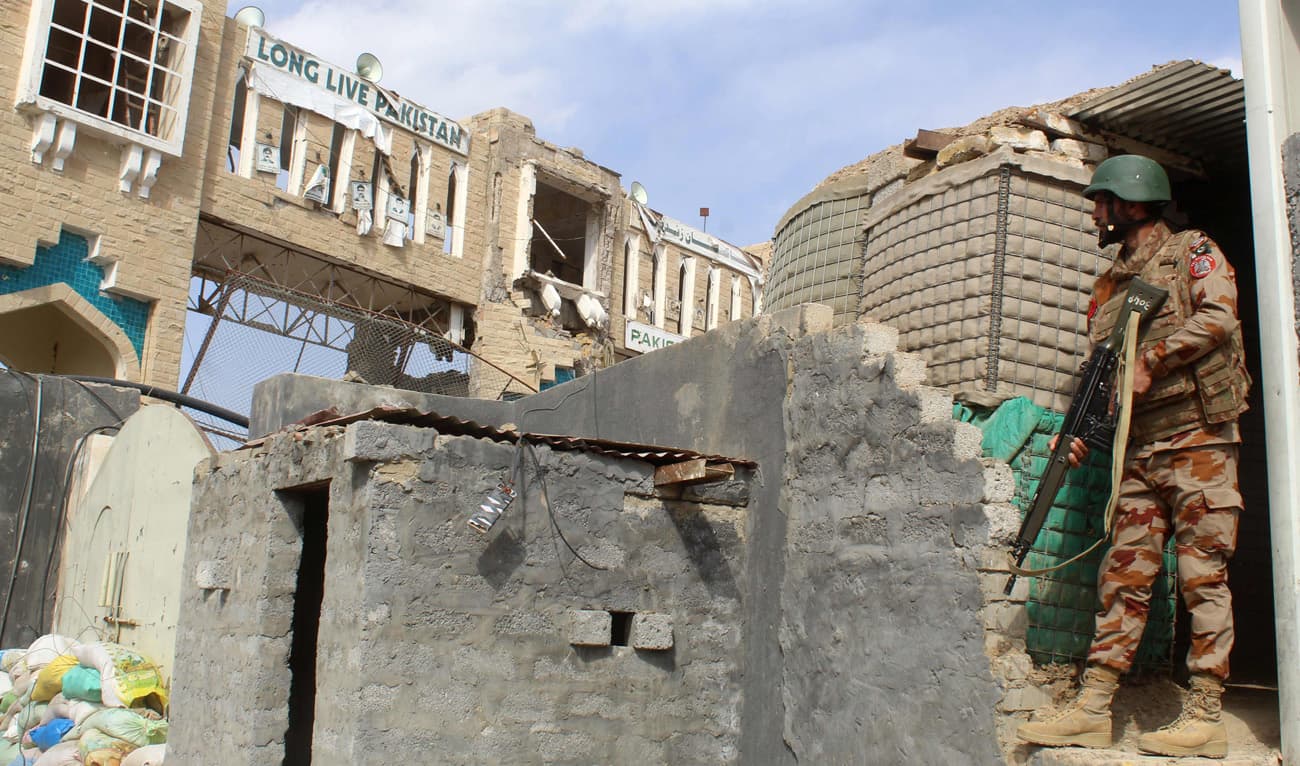
ISLAMABAD: Pakistan said its retaliatory military campaign, Operation Ghazb lil Haq, entered a third day on Sunday with intensified air and ground strikes inside Afghanistan, killing 415 Afghan Taliban fighters and inflicting widespread damage on militant infrastructure, according to official figures.
In an update posted on X Saturday at 4 pm, Information Minister Attaullah Tarar said Pakistani forces had wounded more than 580 Afghan Taliban fighters, destroyed 182 checkpoints, and captured 31 others since the operation began.
He said 185 tanks and armoured vehicles were destroyed and 46 locations across Afghanistan were “effectively targeted by air."
Tarar said the operation was launched in response to unprovoked cross-border attacks and would continue as part of Pakistan’s stated policy of responding “immediately and effectively” to threats to its security.
The latest phase of the operation comes amid sharply heightened tensions after Pakistan slammed the Afghan Taliban regime of allowing militant groups to operate from Afghan territory. Islamabad says repeated attacks inside Pakistan trace back to safe havens across the border.
The Afghan Taliban regime has called for dialogue, even as Pakistan’s defense minister declared the situation had escalated into “open war.” Pakistan has rejected the appeal, with senior officials saying there can be no talks until terrorism emanating from Afghan soil ends.
Prime Minister’s spokesperson for foreign media Mosharraf Zaidi, speaking earlier to Pakistan TV Digital, said Pakistan’s position was unequivocal.
“There’s no dialogue. There’s no negotiation. Terrorism from Afghanistan has to end,” he said, adding that Pakistan’s sole responsibility was to protect its citizens and territory.
The United States voiced diplomatic support for Pakistan’s right to defend itself, signaling understanding of Islamabad’s security concerns even as the conflict widened.
At the same time, the European Union urged restraint. EU foreign policy chief Kaja Kallas called for “immediate de-escalation,” warning that continued violence and cross-border strikes could have serious regional consequences. She also reiterated that Afghan territory must not be used to threaten or attack other countries.
Pakistan’s Foreign Ministry rejected reports circulating online that a Pakistani jet had been downed near Jalalabad, calling the claims “totally untrue” and part of what officials describe as a broader disinformation campaign.
Officials in Islamabad say the past two days mark one of the most intense phases of cross-border escalation since the Taliban returned to power in Kabul in 2021. Pakistani authorities argue that the collapse of previous constraints has enabled terrorist networks to regroup, train and launch attacks with greater freedom.
As Operation Ghazb lil Haq continues, Pakistan says its objective remains narrowly defined: dismantling threats it says originate from across the border and restoring deterrence while warning that further attacks will draw further retaliation.