


ISLAMABAD: Taliban authorities’ interference and restrictions on humanitarian operations temporarily suspended 18 aid programs in Afghanistan in July, while curbs on women’s participation continued to hinder the delivery of assistance, according to the United Nations Office for the Coordination of Humanitarian Affairs (OCHA).
OCHA recorded 30 humanitarian access incidents across Afghanistan in July, down from 60 in June, but said that the remaining restrictions continued to have a significant impact on relief operations.
“Eighteen incidents resulted in temporary program suspensions, while two led to the temporary closure of humanitarian facilities,” said an OCHA report.
By the end of July, 11 of the 30 incidents had been resolved, while 19 remained unresolved, according to the UN assessment.
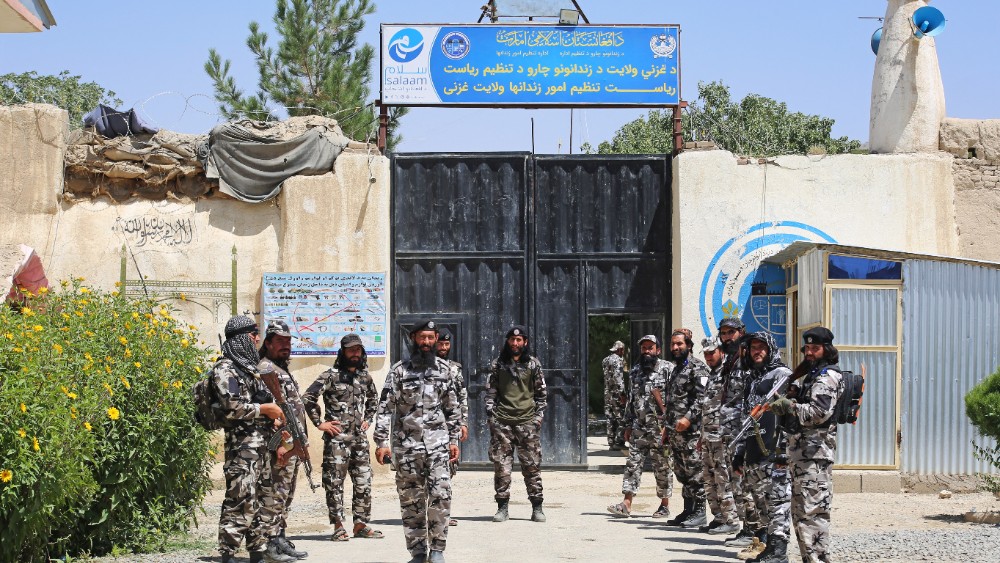
The report said that interference by Taliban authorities represented the largest category of access problems, accounting for 16 incidents.
“These included delays and difficulties in securing memorandums of understanding, interference in beneficiary selection and program implementation, requests for staff information and restrictions affecting humanitarian personnel and supplies.”
OCHA said that four incidents involved delays or difficulties in signing agreements, while three concerned interference in the selection of aid recipients.
The agency also reported three instances in which authorities interfered directly with the implementation of humanitarian programs.
Humanitarian organizations were additionally asked for staff lists and other sensitive information in two cases, while restrictions affected recruitment, movement, and aid workers' ability to operate.
The restrictions were particularly pronounced in southern and western Afghanistan, where most of the reported incidents occurred.
OCHA said memorandum-related restrictions negatively affected humanitarian activities in Balkh, Faryab, Jowzjan and Kandahar provinces.
Discussions with Taliban officials were continuing in several cases to resolve the problems, the report added.
Restrictions on women
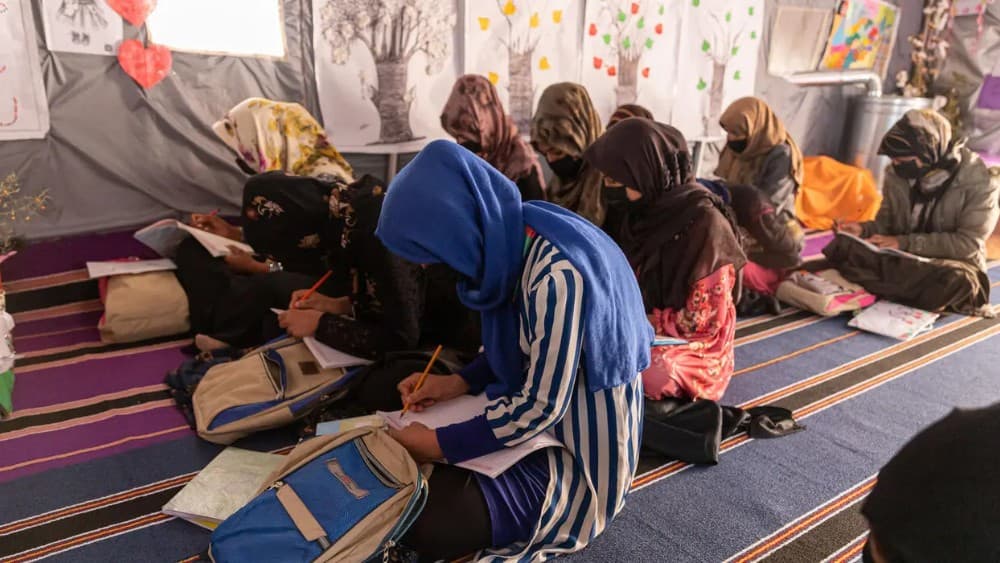
The UN agency also highlighted persistent restrictions on women as a major obstacle to humanitarian operations.
It documented 11 gender-related incidents in July, including restrictions on female aid workers, requirements for women to be accompanied by a mahram and barriers affecting women’s recruitment and access to humanitarian services.
In Uruzgan, authorities had initially authorized women to participate in a data-collection exercise but withdrew the permission immediately before the activity began.
OCHA said the province was the only location covered by the exercise where such authorization was revoked at the last moment.
Security concerns also continued to affect aid operations. OCHA recorded 12 incidents involving violence against humanitarian personnel, assets or facilities, including detentions, assaults and threats.
OCHA assessed that 12 humanitarian workers were detained during July, although no aid workers were killed, injured or abducted during the reporting period.
The latest findings follow a sharp deterioration in humanitarian access recorded in June, when OCHA reported 60 access incidents and said restrictions had contributed to the temporary suspension of 21 humanitarian activities.
The July figures show that although the number of incidents fell substantially, humanitarian agencies continued to face administrative interference, security risks and restrictions on women that complicated efforts to reach vulnerable Afghans.