


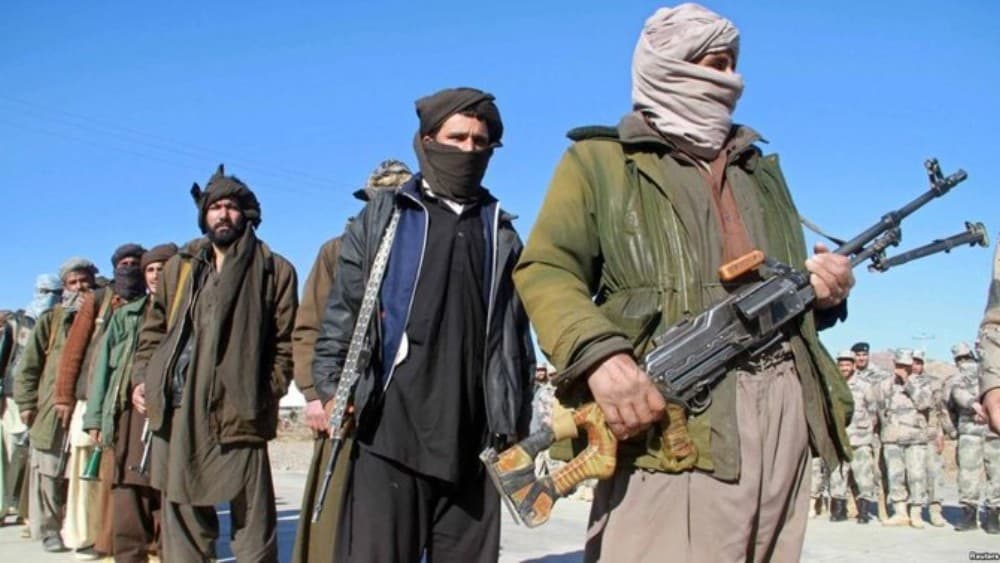
ISLAMABAD: The UN Assistance Mission in Afghanistan (UNAMA) has released a report on victims of armed conflict, documenting 40,000 civilian deaths and more than 77,000 injuries from January 2001 to the Taliban’s return to power in August 2021.
According to the UNAMA report, “Victims of Afghanistan’s decades-long armed conflict continue to suffer physical, psychological, social and economic consequences, while many remain without justice, compensation or official recognition.”
UNAMA said that its report examines the experiences and needs of victims of armed conflict, focusing mainly on the period from the US-led intervention in 2001 until the Taliban takeover in August 2021.
More than 40,000 civilians killed
According to the report, 40,000 casualties resulted from violence involving the Taliban, Daesh (IS-K), former Afghan government forces, local armed groups and international forces.
The report does not provide a breakdown of casualties by individual parties.
Instead, it focuses on victims’ experiences and says civilians suffered harm from all sides of the conflict.
Psychological scars remain
The report, based on interviews with 195 victims and their relatives, finds that 95% of those interviewed experience emotional or psychological harm.
Victims report depression, anxiety, flashbacks and other trauma-related problems.
More than half also report physical injuries, chronic pain or disabilities.
One survivor of a Daesh attack on a school in Kabul tells AFP that psychological problems prevent him from continuing his studies.
“The world has forgotten us,” he says, describing the continuing impact of the violence.
Compensation emerges as top demand
Financial compensation is the most frequently cited priority among those interviewed.
According to the UN findings, 81% of respondents identify compensation as their most important current need. Victims say financial assistance is needed for medical treatment, rebuilding destroyed homes, replacing lost income and supporting their families.
Victims also demand accountability
Around 48% of those interviewed say they want perpetrators held accountable for incidents that kill, injure or otherwise harm them or their relatives.
Many victims also call for investigations into alleged war crimes and human rights violations and seek answers about who was responsible for attacks against them.
Yet access to justice remains limited. UNAMA says most victims who attempt to seek justice are unsuccessful.
Many victims do not seek help
The UN findings indicate that 55 % of victims interviewed never take action to seek justice, compensation or assistance.
Among those who do seek help, 64% say their efforts are unsuccessful or receive no response.
UNAMA says victims cite lack of awareness, distrust of institutions, fear of retaliation and a belief that complaints will not produce results as reasons for not pursuing justice.
Calls to prevent another war
Victims are not only seeking compensation and accountability.
Around 47% say preventing similar violence from happening to other families is among their most important demands.
Others call for better access to healthcare, education and rehabilitation services to deal with the long-term consequences of conflict.
UN urges victim-centered response
UNAMA says the needs of victims must remain at the center of efforts involving justice, truth-seeking and reparations.
The report highlights three central demands emerging from victims: financial compensation, access to justice and the prevention of the recurrence of violations.
It also stresses that the consequences of Afghanistan’s wars have not ended with the cessation of major fighting, as survivors continue to live with trauma, injuries, economic hardship and unresolved grievances.