


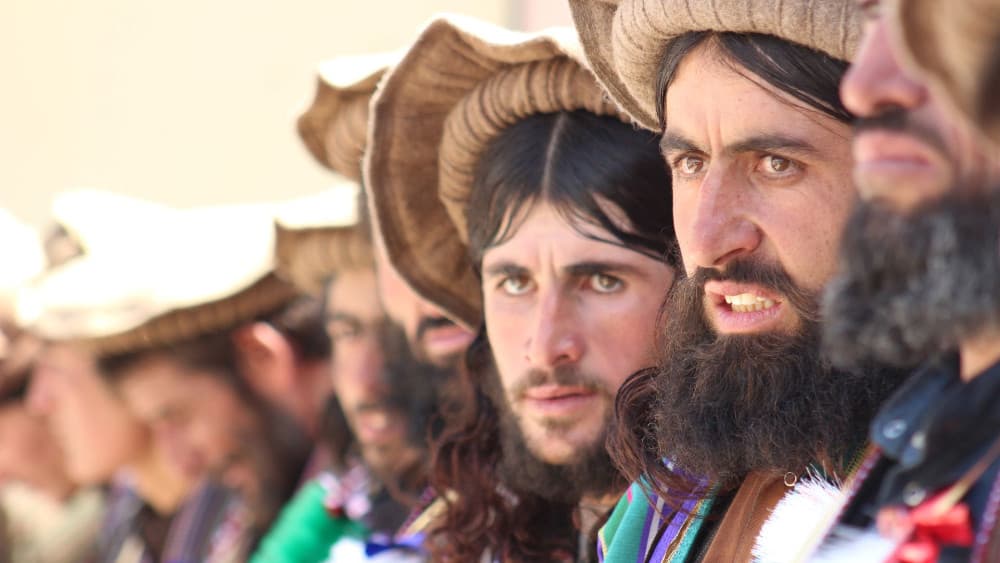
ISLAMABAD: After conducting extensive weapons searches in three villages in Afghanistan's northeastern Badakhshan province, Taliban forces recovered only four rifles and a machine gun -- a modest haul that has laid bare the limits of the group's control over a restive Tajik-majority region, according to local reports.
The searches, carried out on Aug 19 in Nesi district, targeted the villages of Shakh Dara, Joy Dara and Kharkad and were led by deputy district governor Mullah Fazl Ahmad, Afghan outlet Hasht-e Subh Daily reported.
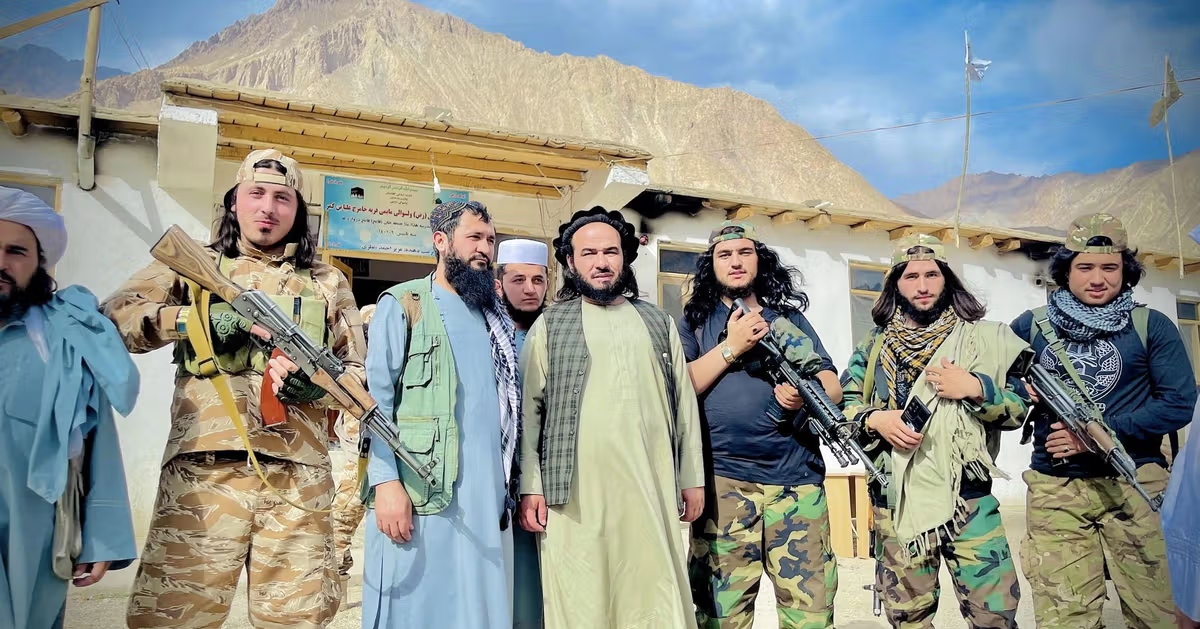
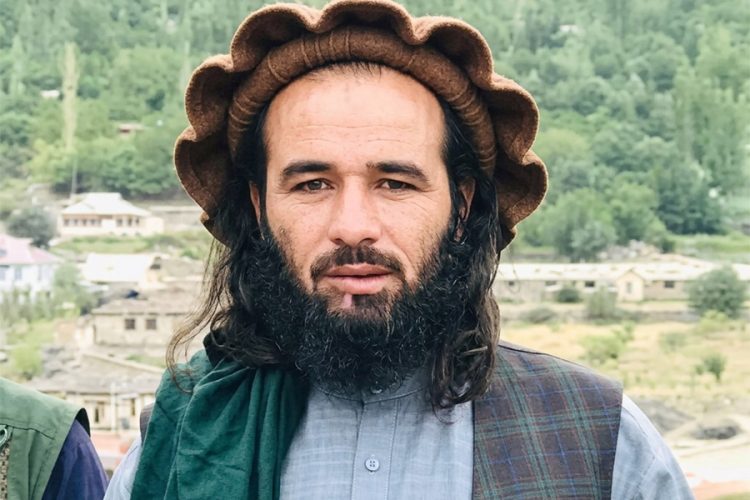
The operation came four days after the forced surrender of a local Tajik commander and follows a broader push by the Taliban's Pashtun-led leadership to disarm non-Pashtun fighters who had initially been allowed to keep local posts and weapons after 2021 in exchange for loyalty.
The meager weapons recovery, despite what was described as a military victory over local holdouts, suggests Badakhshan remains only partially subdued more than four years after the Taliban swept to power, betraying the fragility of the group's authority beyond its southern Pashtun heartland.
Purge of non-Pashtun commanders
Supreme Leader Hibatullah Akhundzada's inner circle has been systematically sidelining non-Pashtun commanders across the north, according to Afghanistan International, a London-based Persian-language broadcaster, and the Armed Conflict Location and Event Data Project (ACLED), a US-based research group that tracks conflict worldwide. Central intelligence services deployed hundreds of additional forces to Nesi in recent weeks to demand that local fighters hand over their weapons, the two outlets reported.
The pressure culminated on Aug 15 in the surrender of Tajik commander Juma Khan Fateh, following Taliban airstrikes and commando raids in the villages of Qughuz, Shakh Dara and Doabgi, Hasht-e Subh Daily said. Fateh had been pressing for local control over the province's gold mines before he capitulated.
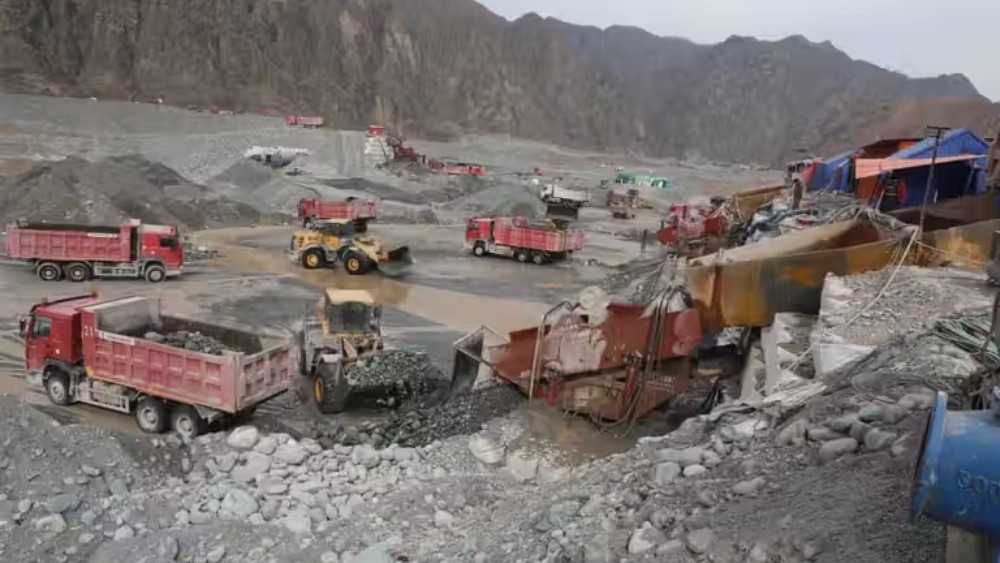
The dispute reflects a wider struggle over Afghanistan's mineral wealth, estimated by geologists at the US Geological Survey at over $1 trillion. It has become an increasingly important revenue source for the cash-strapped, internationally unrecognized Taliban regime.
In Badakhshan's mines administration, the Taliban have since replaced Tajik official Shafiqullah Hafizi with Pashtun appointee Abdul Matin Rahimzai, a move El Media said was intended to redirect mineral revenue toward the movement's Kandahar leadership.
Resistance on multiple fronts
Even as it tightens its grip internally, the Taliban are facing mounting pressure from armed opposition groups elsewhere in Badakhshan. The Afghanistan Freedom Front, led by General Yasin Zia, inflicted dozens of casualties on Taliban forces in Zebak district, forcing the group to airlift its wounded and shut down telecommunications towers, according to KabulNow.
Separately, the Sepah-e Mihan Front seized administrative buildings in Yaftal-e Sufla district, Afghanistan International reported.
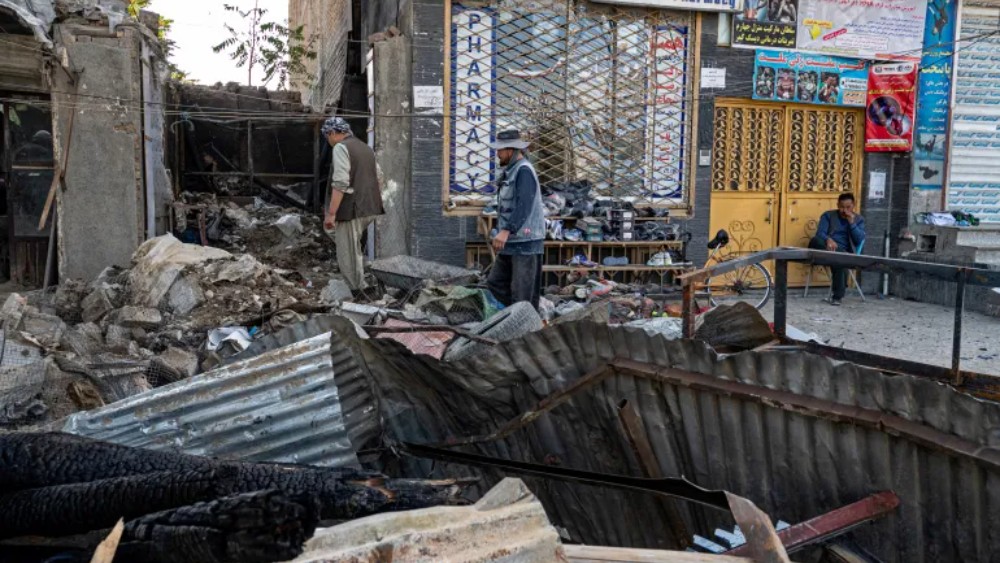
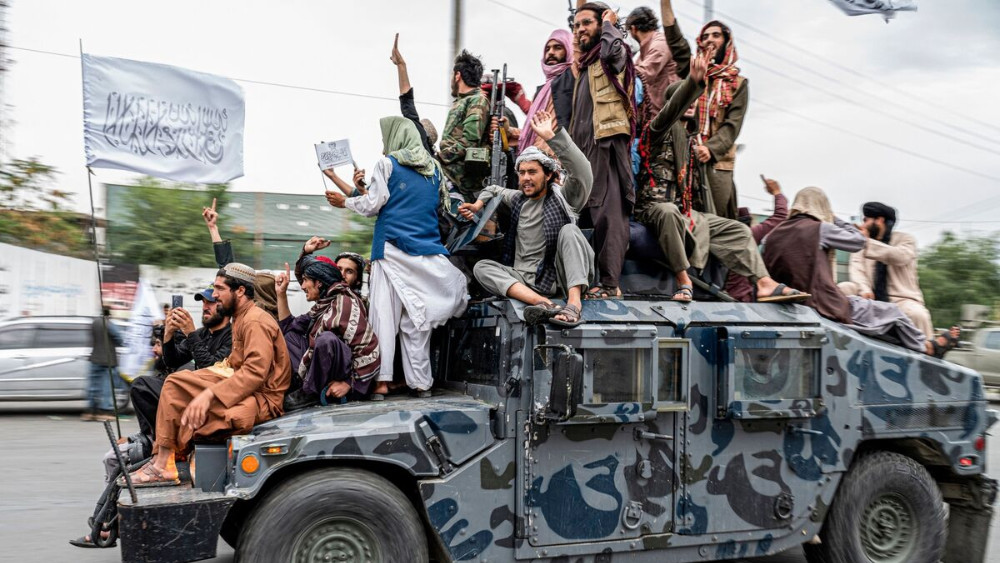
The violence has also spilled across the border. Stray gunfire from fighting in Nesi killed a 21-year-old woman in Tajikistan's Darvoz region this month, prompting Dushanbe to lodge a formal military protest with Kabul, Radio Azadi, the Afghan service of RFE/RL, reported.
'A serious and persistent problem'
Experts who track the region say the unrest reflects a combustible mix of ethnic grievance, resource disputes and Taliban heavy-handedness rather than an existential threat to the group's rule.
"The attacks could develop into a serious and persistent problem in Badakhshan," Ted Callahan, a former adviser to the US military in Badakhshan, told RFE/RL.
According to the Washington-based online magazine The Diplomat, Afghanistan's northeastern frontier is the most active center of anti-Taliban resistance in the country, a status highlighted by Tuesday's underwhelming weapons haul in Nesi.
The Taliban, a hardline movement drawn mainly from Afghanistan's Pashtun ethnic majority, seized power in August 2021 as US-led forces withdrew after two decades of war. No country except Russia formally recognizes the Taliban government, and it remains under UN sanctions and international isolation.
Afghanistan is home to a patchwork of ethnic groups, with Pashtuns making up an estimated 40%-45% of the population. Tajiks, Hazaras, Uzbeks and smaller minorities account for most of the rest, according to the US Department of State.
Badakhshan, a mountainous province that includes the remote Wakhan Corridor, borders Tajikistan and China. It is populated overwhelmingly by ethnic Tajiks and was a stronghold of anti-Taliban resistance in the 1990s, long before the group's return to power.