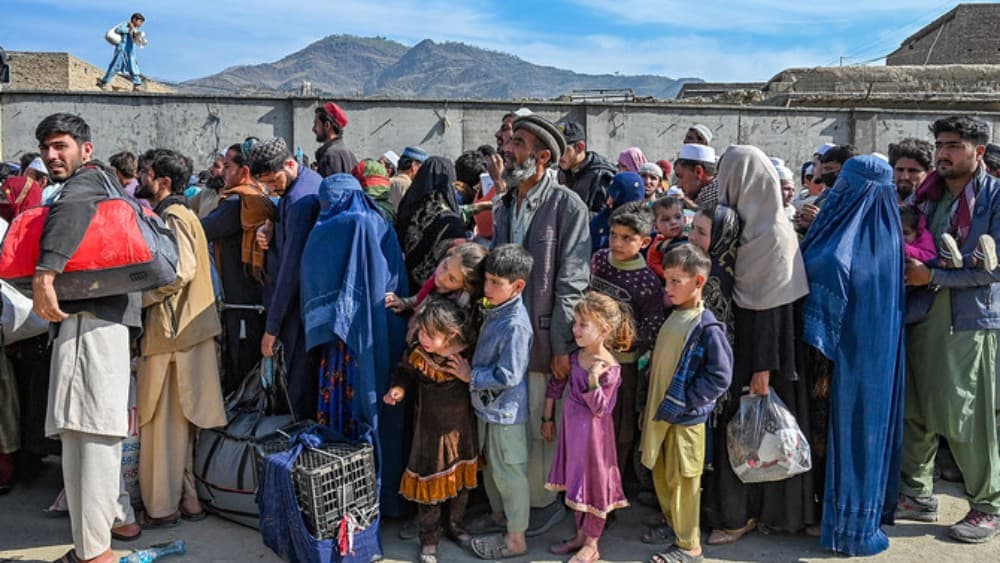
ISLAMABAD: Russia has voiced fresh concern about Afghanistan’s worsening humanitarian situation, warning that high infant mortality, the continued spread of polio, and a fragile healthcare system are putting millions of Afghans, particularly children, at risk.
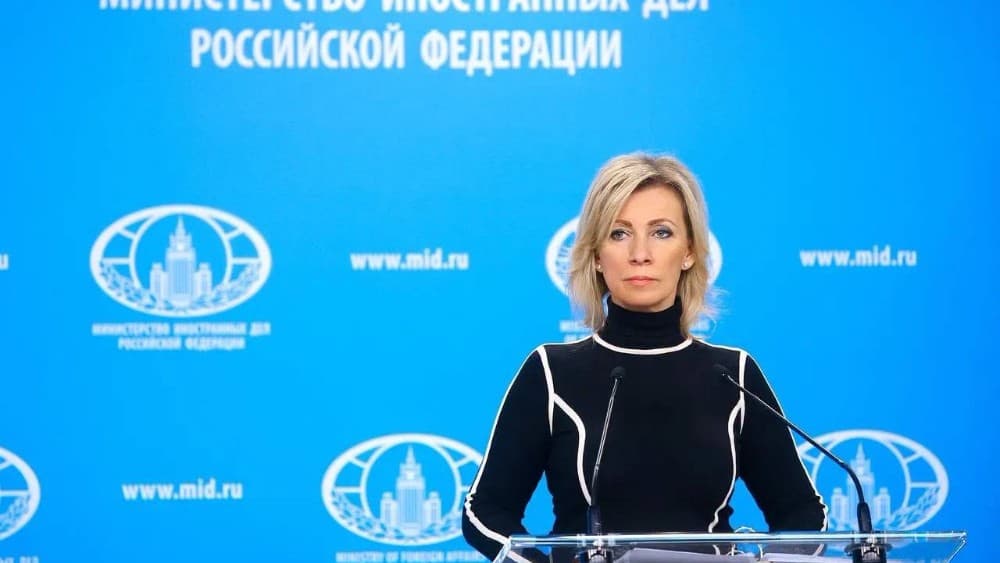
Speaking at a weekly briefing, Russian foreign ministry spokesperson Maria Zakharova said that Afghanistan continues to face severe humanitarian challenges.
Citing World Health Organization data, she said “21 polio cases were recorded in border areas of Afghanistan during 2025 and 2026,” adding that many children under the age of 10 remain unvaccinated, increasing the risk of further transmission.
Zakharova said that Afghanistan’s infant mortality rate stands at 33.1 deaths per 1,000 live births, describing it as significantly higher than the global average.
She said, “Premature births, malnutrition and limited access to healthcare have contributed to the high number of infant deaths.”
Zakharova argued that sanctions are declining international funding, while the continued freezing of Afghan financial assets has deepened the country’s humanitarian crisis.
She called for the release of frozen assets and urged the international community to keep humanitarian assistance separate from political considerations.
United Nations agencies and humanitarian organizations have warned that Afghanistan’s healthcare system remains under severe strain due to years of conflict, economic collapse and shrinking international assistance.
World Health Organization (WHO) has repeatedly pointed to shortages of essential medicines and medical supplies during the Taliban regime, worsening healthcare delivery.
Afghanistan's Health Minister Noor Jalal Jalali told Nikkei Asia in February this year that the Taliban regime had banned the import of medicines from Afghanistan.
United Nations and many humanitarian groups have noted that restrictions imposed by the Taliban regime on girls’ education beyond secondary school and limitations on women working, including in many sectors of humanitarian assistance, have affected access to healthcare and relief services.
UN previously estimated that restrictions excluding women from economic life could cost Afghanistan around $1 billion annually.


.jpg&w=3840&q=75)