


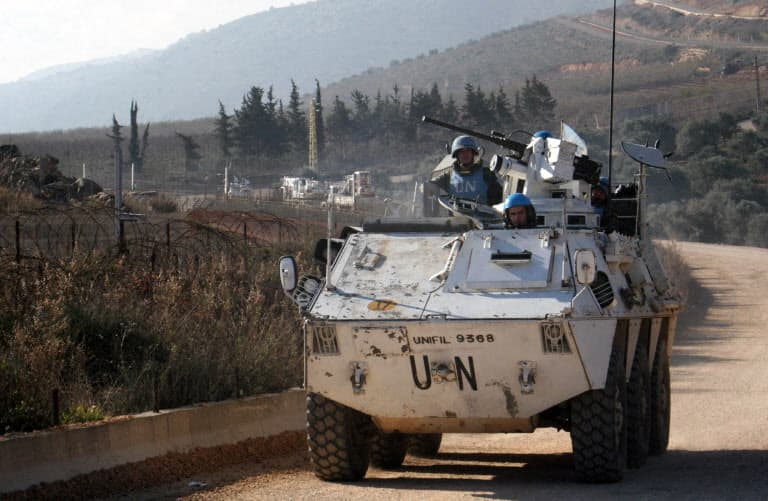
ISLAMABAD: Pakistan has not decided on participating in the International Stabilization Force (ISF) in relation to the Gaza peace plan, according to the Foreign Office spokesperson.
During a press briefing on Thursday, Pakistan’s Foreign Office spokesperson, Tahir Andrabi, addressed ongoing discussions about the country's potential involvement in the ISF and recent diplomatic developments.
On the question about the status of Pakistan's participation in the ISF vis-à-vis the Gaza peace plan, the FO spokesperson responded: “I mentioned previously as well. We have not yet decided to participate in ISF. We will inform you about any development that takes place in this regard.”
‘Not to my knowledge’
In response to another question, the spokesperson said: “The discussion on International Security Force is ongoing in certain capitals. I am not aware of any specific requests made to Pakistan on sending troops. As stated, we have not taken any decision on this subject, as yet.”
To another query regarding whether Pakistan has consulted any regional countries on ISF, like Iran and Saudi Arabia, the spokesperson said: “Not to my knowledge.”
Andrabi further said: “Broadly under the subject of Gaza and Palestine, ISF may have come under discussion during our various interactions. But if you ask whether this was a specific agenda item for a meeting or a telephone call, I do not think so.”
On Bondi Beach attack
On the Bondi Beach attack, Andrabi said that the vilification of Pakistan was extremely regrettable.
He said Pakistan strongly condemns this attack. “Pakistan stands in solidarity with the people and government of Australia,” Andrabi said.
“Pakistan unequivocally condemns terrorism in all forms and manifestations.”
About disinformation on the Bondi Beach attack, Andrabi said, “Yes, the initial reports on the perpetrator’s false identity were published by an Israeli newspaper.”
“There were certain handlers on X and other social media from Afghanistan that were, indeed, involved.”
He added, “They do not have any credibility. It depicts that they want to stereotype Pakistan into a certain bracket through such false news.”
Indian media ‘egg-faced’
About the blame game on Pakistan vis-à-vis the attack by the Indian media, he said this is not the first time that the Indian media has been egg-faced on being proved wrong.
When asked about taking this matter to an international forum, he said that there are specific fora for reporting such developments.
The ultimate price that the Indian media pays for such disinformation is the loss of its own credibility, which has been considerable in the past six months, particularly during Operation Bunyanul Marsoos, and now after this Bondi Beach terrorist incident.
On Indus Waters Treaty
The Foreign Office spokesperson, on the Indus Waters Treaty (IWT), said: “We have all options. Pakistan is fully committed to the various processes of dispute resolution under the IWT.”
“On the interpretation and downstream working of the treaty, including Article 9, we have all options available that can be exercised,” he added.
Field marshal’s 'visit' contradicted
On the reported visit of the Chief of Army Staff/Chief of Defense Forces to the US, as reported by Reuters, Andrabi said: “I can contradict the Reuters story in its essence that it seemed to suggest that the visit has been planned and there is a finality about it. So, I am contradicting that.”
UN report on Afghanistan
Regarding the UN report on Afghanistan, Andrabi said, “The Security Council report also elaborates on the configuration of various terrorist elements inside Afghanistan, particularly with reference to the TTP/Fitnah Al Khawarij.”
“This reaffirms Pakistan's assertion on major impediments to developing bilateral relations between Pakistan and Afghanistan with respect to the lasting ceasefire, the closure of border gates, and the closure of trade.”
"The findings of the report are in sync with Pakistan's official position, and this is heard loud and clear across international capitals," he said.
Ceasefire with Afghanistan
Regarding the ceasefire with Afghanistan, Andrabi said: “Pakistan, in good faith, had agreed to the ceasefire. This move by Pakistan has not been reciprocated with the same positivity from the Afghan Taliban regime.”
Aid to Afghanistan
On the issue of aid to Afghanistan, Andrabi said: “From our side, there is no hindrance in the dispatch of humanitarian aid. I recall that medicines were included in the first and second batches of the aid convoy that was allowed to pass. Various UN agencies were also involved in the dispatch of that aid.”
“If there are any impediments to the flow of humanitarian assistance from the Afghan side, I am not aware of them. There was a statement from the Afghan Taliban regime that they are not willing to receive anything,” he added.
'Good neighborly relations'
On official contact with Afghanistan, Andrabi said: “The diplomatic channels exist. I am not aware of any backchannel diplomacy. During the regional talks on Afghanistan hosted by Iran last week, the Afghan Taliban regime did not send a representative. Had they sent a representative to the meeting, some exchange might have taken place.”
He said: “We stand by our foreign policy of good neighborly relations. Pakistan has not given up this objective.”
On Indian cabinet’s decision
On a question about the Indian Cabinet approving the opening up of nuclear insurance sectors for private investment, the spokesperson said: “We monitor these developments very carefully, given India's troubling history of nuclear security lapses, including multiple incidents of radioactive material theft and unlawful sale of radioactive material reported since the 1990s.”
Andrabi added: “The involvement of the private sector in handling sensitive nuclear material and knowledge could be a matter of concern; this may pose a challenge to the global efforts for countering access of private individuals to sensitive nuclear materials.”
Ban on airspace
On a question about Pakistan extending its ban on the use of airspace by India till January 23, 2026, the spokesperson said: “The status of Pakistan’s airspace for India stays the same. It is reflective of the relations between the two countries, the threats that are brandished against Pakistan, including the statements being made by the senior Indian leadership about another wave of aggression against Pakistan.”
On SAARC
On a question concerning the South Asian Association for Regional Cooperation (SAARC), the spokesperson said: “I would reiterate the response I gave to a similar query on SAARC last week, i.e., the blockade of SAARC is regrettable, and we would want it to be revived.”
“We welcome the statement from Dhaka on ways of alternate regional cooperation mechanisms.”
“Pakistan remains committed to multilateralism,” he added.