


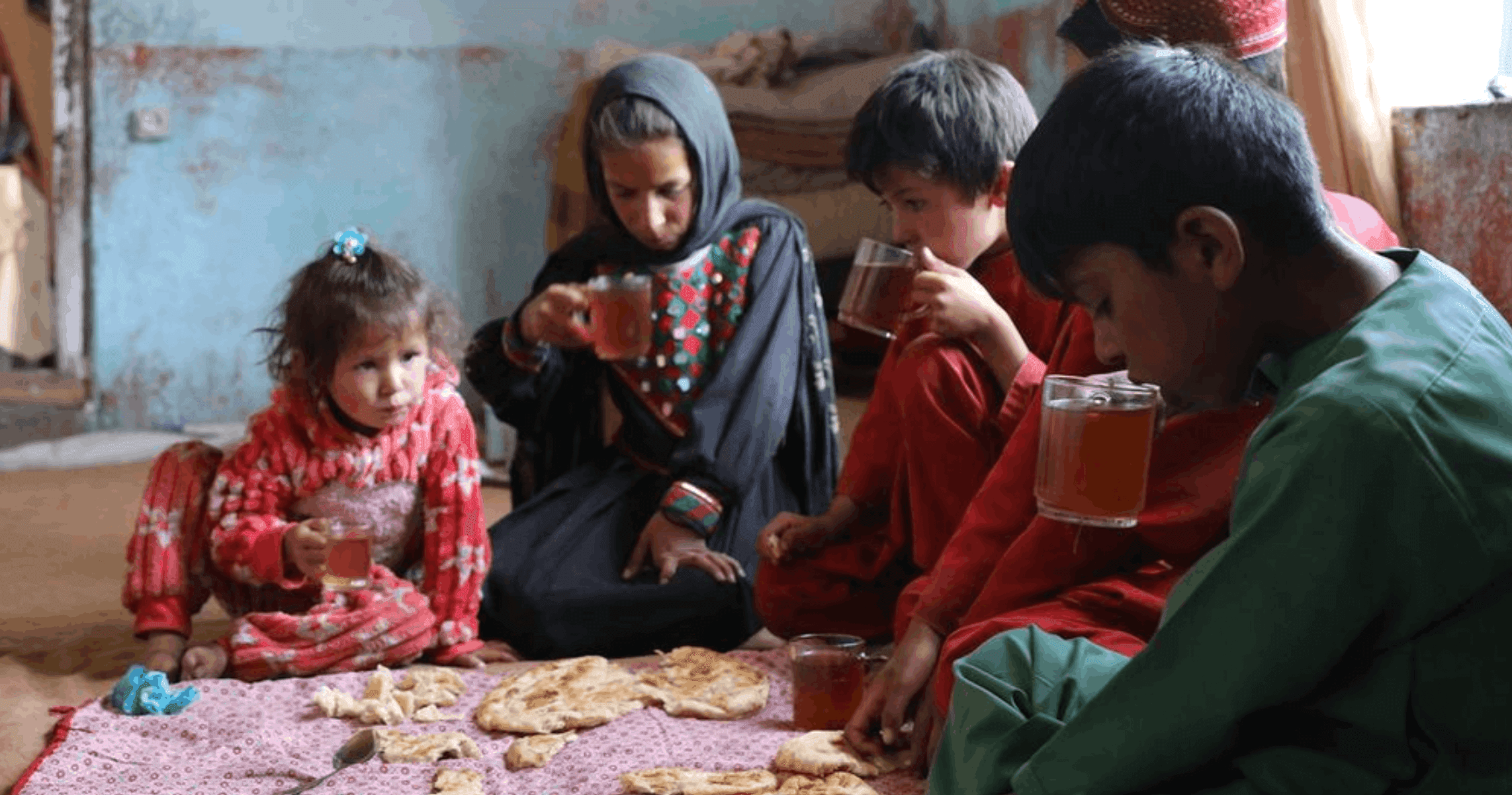
ISLAMABAD: The International Rescue Committee (IRC) said on Tuesday it is expanding emergency food assistance in Afghanistan after a new assessment revealed the severity of the country's hunger crisis, warning that 4.7 million people now face acute starvation amid shrinking aid and worsening food insecurity.
In a press release, the IRC announced a Cash for Food programme providing support to 3,200 households in Bamiyan, Kunar, and Herat provinces, following needs assessments that found that 95% of participants had 'poor' Food Consumption Scores, indicating insufficient daily access to food.
The New York-based agency said the findings reflect a broader deterioration in food access as Afghanistan enters the winter lean season, when household food stocks are depleted, and income opportunities decline.
Deepening hunger and food insecurity
Recent United Nations analyses show that about 17 million Afghans now urgently need food assistance, including 4.7 million in IPC Phase 4 (Emergency), with mothers and young children among the most affected.
Under the Afghanistan Humanitarian Needs and Response Plan, more than one-third of the population is expected to face crisis-level or worse food insecurity during the 2025-26 lean season, with many households forced to sell assets or reduce meals to meet basic needs.
The UN Office for the Coordination of Humanitarian Affairs (OCHA) has warned that humanitarian needs continue to outpace available assistance. In 2026, an estimated 21.9 million people, about 45% of Afghanistan’s population, will require humanitarian aid, it said.
Impact on children and women
UN agencies have repeatedly cautioned that Afghanistan is facing one of the world’s most severe nutrition emergencies, particularly among children.
The World Food Programme (WFP) estimates that nearly 3.7 million children under the age of five will suffer from acute malnutrition in 2025 and into early 2026, while 4.9 million women and children will require treatment for malnutrition. The agency said declining funding and high food prices have limited the scale of life-saving assistance.
UNICEF reported that millions of children were screened for wasting in the first half of 2025, with hundreds of thousands admitted for treatment.
The spread of preventable diseases such as measles and acute watery diarrhoea has further strained health services already operating under severe constraints.
UN appeals and funding shortfalls
The humanitarian response faces severe funding constraints; 422 health facilities closed in 2025, leaving about three million people without access to essential healthcare, UN relief chief Tom Fletcher told the UN Security Council last month.
At the end of 2025, the United Nations and its partners launched a $1.7 billion appeal to assist nearly 18 million people in urgent need through 2026, identifying food security, health, water, and sanitation as priority areas.
The crisis has been compounded by multiple factors. OCHA says the ongoing drought has caused the failure of nearly 80% of rain-fed wheat crops in some regions, leaving many families without winter food reserves. Meanwhile, UNHCR data shows more than 2.6 million Afghans returned from Iran and Pakistan in 2025, adding strain to already impoverished communities.
Aid agencies say funding shortfalls have forced cuts to critical programmes, including emergency food distributions and nutrition services. Lisa Owen, IRC’s Afghanistan director, warned of severe consequences if funding declines continue.
“Acute hunger is a persistent challenge in Afghanistan, yet the latest figures show an appalling deterioration in humanitarian needs,” she said.
Humanitarian groups say the IRC’s expanded food assistance highlights the urgency of closing funding gaps and scaling up life-saving aid.
Without increased international support, Afghanistan’s hunger and malnutrition crisis is expected to worsen in 2026, leaving millions at risk as winter conditions persist.