


ISLAMABAD: Recent rulings by India's Supreme Court and High Courts have found failures in safeguards governing arrest, preventive detention and prolonged pretrial custody, according to court documents.
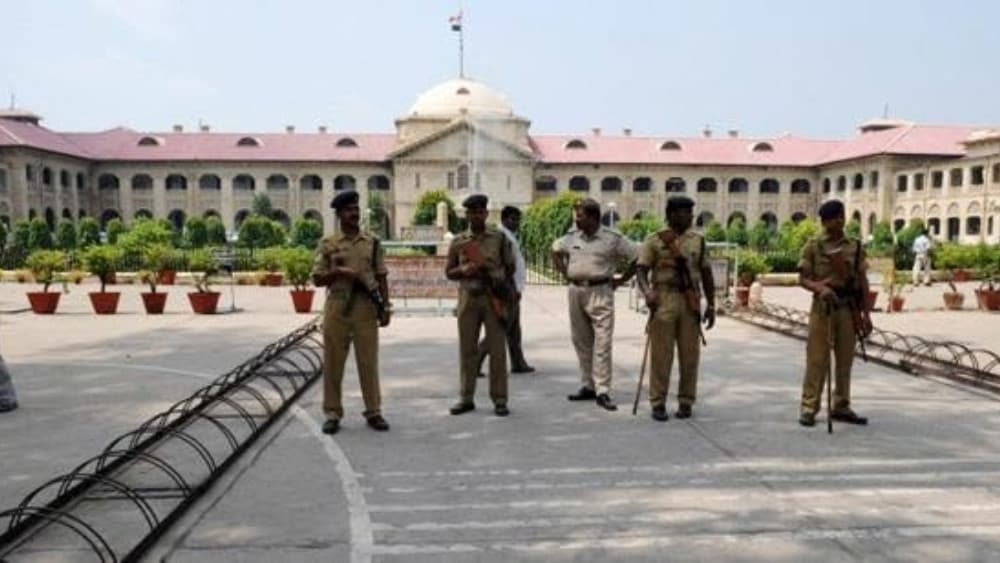
The Allahabad High Court, in one such case (Chander Pal Singh and Another v State of UP and 5 Others), decided on June 8, 2026, held that advocate Chander Pal Singh had been illegally detained for three days without being produced before a magistrate within 24 hours.
According to the court documents, the court ordered the Uttar Pradesh government to pay Singh 75,000 Indian rupees ($900) and said the amount could be recovered from officials found responsible after a disciplinary inquiry.
In the same judgment, the Allahabad High Court directed that in specified cases involving preventive detention, a person unlawfully detained beyond 24 hours should receive compensation of 25,000 Indian rupees for each additional day. The court also directed that officials found responsible could face disciplinary proceedings.
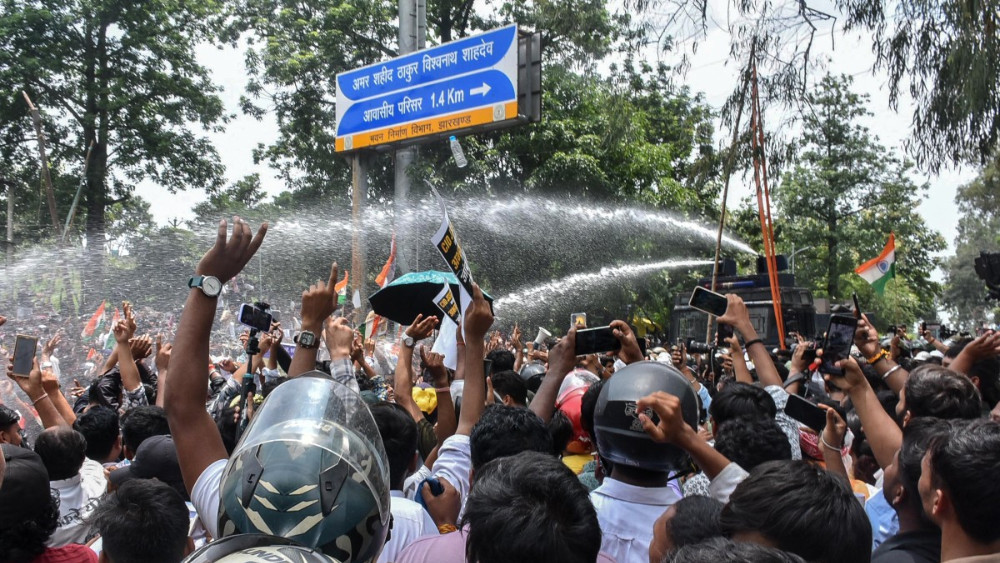

India's Constitution generally requires that an arrested person be produced before a magistrate within 24 hours and prohibits continued custody beyond that period without a magistrate's authority, under Article 22(2). Article 22 also provides that an arrested person must be informed of the grounds for arrest, while setting separate provisions for preventive detention.
The Supreme Court addressed another safeguard in arrests in Prabir Purkayastha v State (NCT of Delhi), decided on May 15, 2024. The court held that the right to be informed of the grounds of arrest flows from Article 22 and that violating that right invalidates the arrest and remand. It ordered Purkayastha's release, according to the Supreme Court's judgment in the case.
Longer periods of custody have also been examined in cases under India's Unlawful Activities (Prevention) Act (UAPA), which restricts bail when a court finds reasonable grounds to believe that an accusation is prima facie true, under Section 43D(5).
In a May 18, 2026 judgment, the Supreme Court cited National Crime Records Bureau data showing UAPA conviction rates of 1.75% in 2019, 6.06% in 2020, 3.82% in 2021, 1.56% in 2022 and 4.05% in 2023.
The court said the figures indicated a 94% to 98% likelihood of acquittal and questioned the continued detention where such cases had not resulted in convictions, according to the Supreme Court's judgment.
The rulings concern different laws and circumstances, ranging from failures in arrest procedures to unlawful detention and lengthy pre-trial custody. Together, they document repeated cases in which Indian courts have examined whether authorities complied with legal safeguards governing deprivation of liberty.