ISLAMABAD: UAE’s OPEC exit ends a 58-year membership and challenges the group’s unity, founded in 1960 to counter Western oil giants, OPEC later expanded into OPEC+ but now faces weaker control over supply and prices.
On April 28, the UAE announced it would withdraw from both OPEC and OPEC+, effective May 1, ending its 58-year membership.
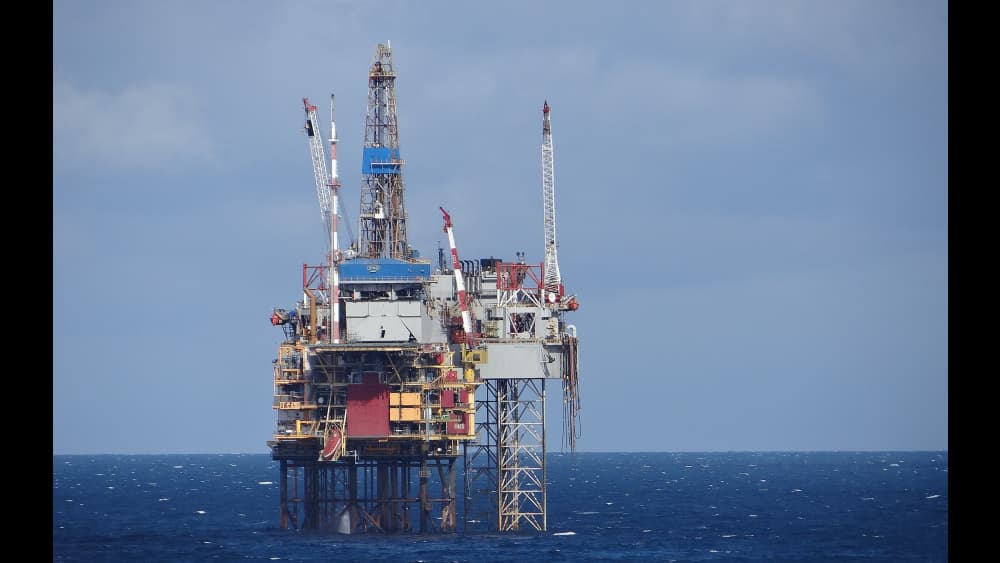
Analysts say the move reflects Abu Dhabi's frustration with production quotas it felt were holding it back. Before the exit, the UAE contributed roughly 15% of total OPEC+ output. Experts cited by ABC News say it could now aim to increase production to 5 million barrels per day by 2027, up from its former quota of 3.4 million barrels per day.
OPEC: The beginning
Before OPEC existed, global oil was controlled by the "Seven Sisters" — major Western companies including Exxon, Shell, BP, and Chevron's predecessors.
They dominated production, pricing, and distribution, leaving oil-producing nations with little say over their own resources.
In 1960, five countries; Iran, Iraq, Kuwait, Saudi Arabia, and Venezuela founded the Organization of the Petroleum Exporting Countries in Baghdad to take back control over output, prices, and revenues. The UAE joined in 1967.
Over the following decades, OPEC grew into a central force in global energy markets, especially after the oil shocks of the 1970s.
Its influence gradually weakened, however, as the US, Russia, and others increased their own output.
To compensate, OPEC formed the broader OPEC+ alliance with non-OPEC producers, most notably Russia, to better manage global supply. This cooperation helped the group enforce production cuts and stabilize prices.
Today, OPEC has 12 members, with OPEC+ playing an increasingly important role alongside it.
What the UAE departure means
The departure carries real risks for OPEC.
It could affect Saudi Arabia's leadership within the group and erode the unity that keeps quota agreements in place.
If other members follow suit or exceed their own limits, OPEC+ could find it harder to control supply and support prices.
HSBC noted, however, that the near-term market impact may be limited, partly due to disruptions around the Strait of Hormuz.
In the longer term, though, a significant rise in UAE output could put downward pressure on prices: good news for consumers, but a challenge for OPEC's cohesion and influence.



.jpg&w=3840&q=75)


.jpg&w=3840&q=75)
.jpg&w=3840&q=75)