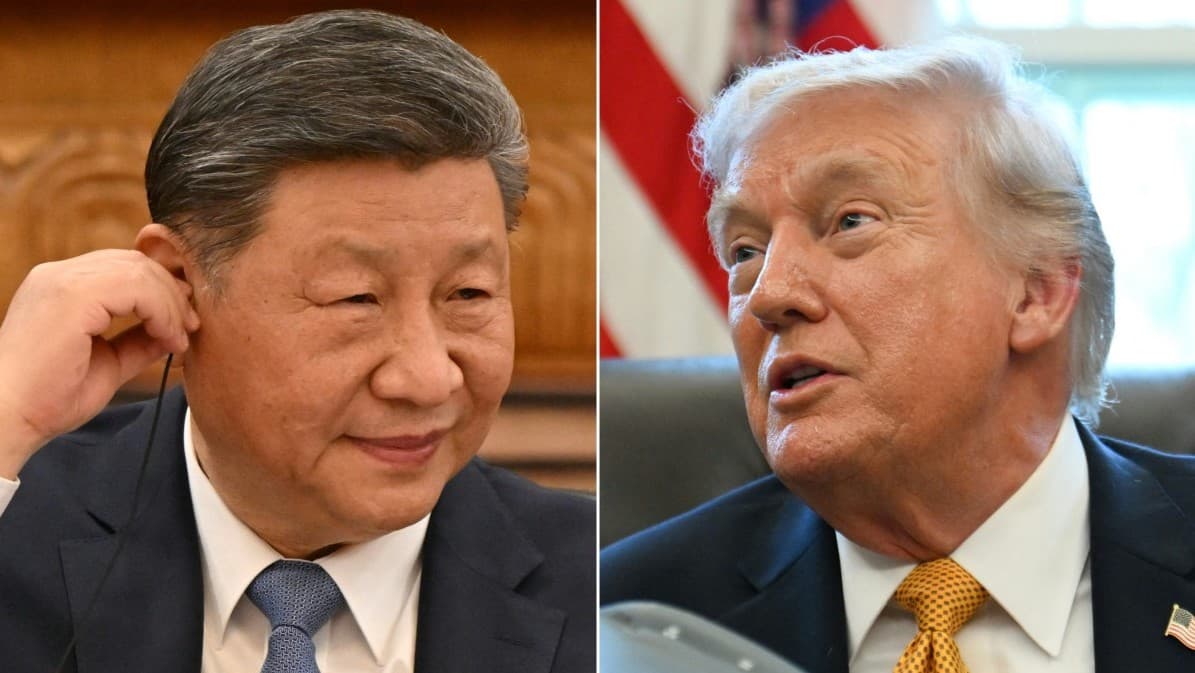
ISLAMABAD: Donald Trump is set to become the first US president to visit China in nearly a decade, with tensions over Iran, rare earths, and trade expected to dominate his summit with Chinese President Xi Jinping next week.
The long-anticipated May 14-15 summit comes amid heightened geopolitical tensions, with the Middle East conflict rattling global energy markets. Despite the ongoing US-Israel war on Iran, AFP reported that Trump’s visit is expected to happen, with an advance US team already in Beijing.
"What we are not looking for is massive confrontation or anything like that" with China, US Trade Representative Jamieson Greer said last month, adding that "the United States economic and trade relationship with China is stable and US President Donald Trump will aim to keep it that way in the meeting."
Pressure on Iran
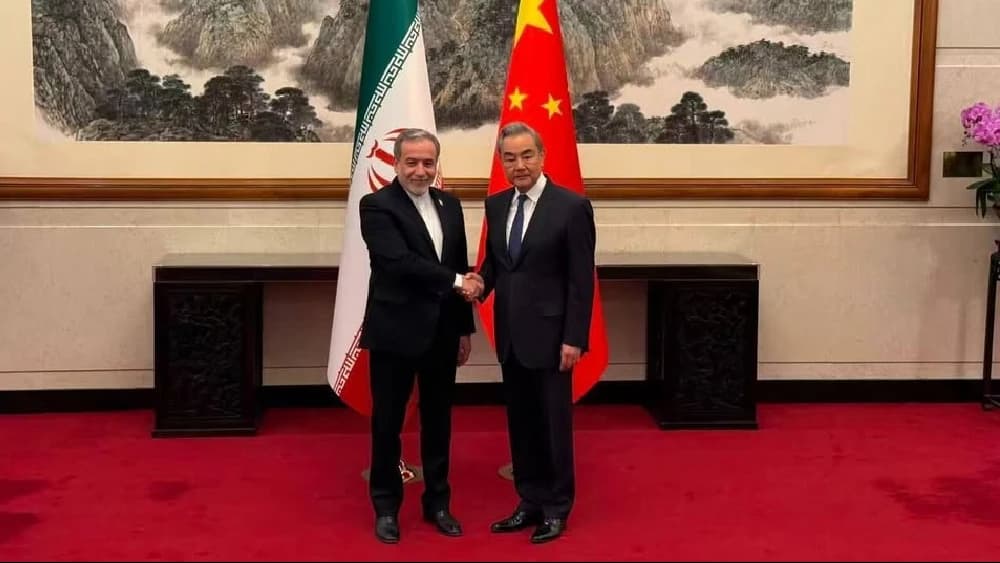
CNBC reported that the Iran war is likely to take centre stage at the summit, leaving less scope to resolve issues like tariffs and rare earth supplies. US Treasury Secretary Scott Bessent has already said that Iran will be a topic in the meetings.
AFP says Christopher Padilla of advisory firm Brunswick expects Trump "would like China to continue pushing Iran to make a deal."
Both sides will likely discuss China's oil purchases from Iran, Greer told Bloomberg Television this week.
"The topic of Iran will be hard to avoid in the Trump-Xi meeting," experts said, although they added this was "not a domain China is eager to engage deeply on", AFP reported.
"The reality is that right now, Iran is critical for the US, and the Chinese know that," said Edgard Kagan of the Center for Strategic and International Studies (CSIS).
Lizzi Lee at the Asia Society Policy Institute said Washington was already "raising pre-summit pressure on China by targeting its economic ties with Tehran".
However, analysts said China was unlikely to accept pressure from Washington over Iran or Russia. "China may have some influence but not decisive control," AFP quoted Yue Su from the Economist Intelligence Unit (EIU), adding Beijing would seek to avoid "additional complications" such as fresh tariffs linked to its trade with Iran.
Rare earths
China dominates the global rare earths industry and remains one of Beijing’s strongest bargaining tools.
Washington has a strong interest in encouraging China to keep rare earth exports open, Wuttke said, especially as it needs supplies for the development and replenishment of weapons.
"Trump appears focused on preserving this truce and using the time to build insulation against dependence on China for key inputs," Ryan Hass of the Brookings Institution said.
Trump has shown that he "cares a lot about" rare earths, said Joe Mazur, a geopolitics analyst at Beijing-based consultancy Trivium China.
'Board of Trade' and tariff truce
US officials are also expected to push Chinese purchases in sectors such as agriculture, aircraft, and energy.
Padilla said Washington was looking to establish a “Board of Trade” mechanism that could formalize future purchasing agreements in non-sensitive sectors such as consumer electronics.
Trump warned last month he would impose a 50% tariff on Chinese goods if Beijing provided military assistance to Iran.
China is meanwhile expected to seek an extension of the one-year trade truce agreed by Trump and Xi during their October meeting in South Korea after a tariff war that saw US duties on some Chinese goods rise to 145%.
Conditions have shifted since.
While some tariffs linked to fentanyl supply chains remain in place, the Trump administration has also launched new investigations that could lead to new duties.
What does China want?
Beyond diplomatic niceties and behind closed doors, Beijing will be looking for small, concrete achievements, analysts said, but will stay "realistically pragmatic" given Trump's unpredictable nature.
China wants a broad reset in ties but knows this would be unlikely, said Benjamin Ho from Singapore's S. Rajaratnam School of International Studies.
"What China needs is for Trump to follow through on his promise to engage, with at least a few concrete outcomes discussed at the highest level," said Yue Su.
Beijing will be satisfied with "targeted" results such as limited tariff reductions that would justify a measured rollback of its own tariffs or export restrictions, she said.