


ISLAMABAD: Afghanistan’s Taliban leadership has carried out repeated administrative reshuffles by decree of Emir Mullah Haibatullah Akhundzada, a move critics say is consolidating power within a closed circle of loyalists and excluding others from important matters of governance.
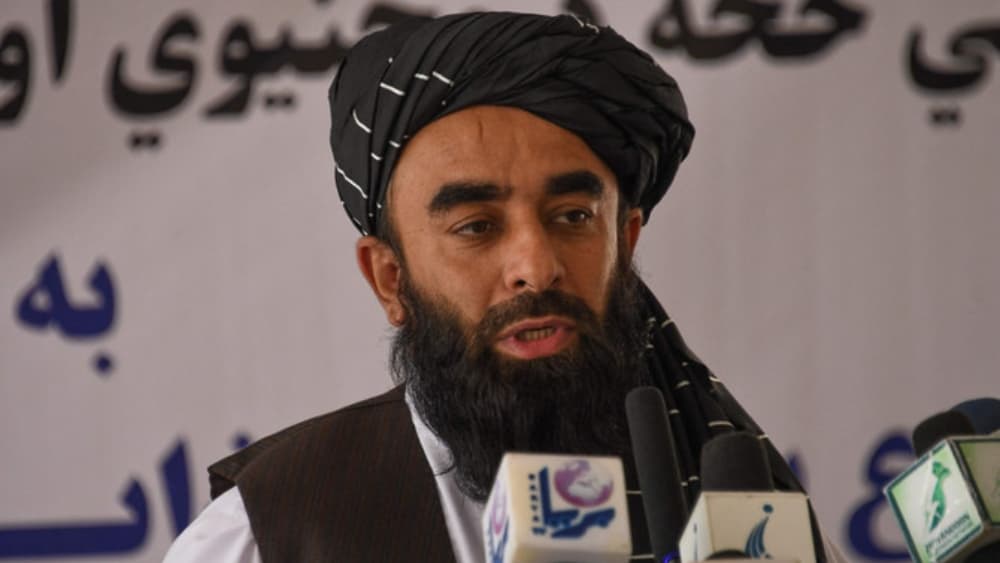
Over recent months, Akhundzada has ordered multiple rounds of appointments and reassignments across provincial administrations, security forces, and key ministries. Taliban interim spokesperson Zabihullah Mujahid said the changes were made directly by the Emir.
“The appointments were made by the Emir,” the spokesperson said in a statement announcing the latest reshuffle, which involved 25 officials, including provincial governors, corps commanders, and senior local administrators.
Under the changes, Qari Gul Haidar Shafiq was appointed governor of Bamyan province, while outgoing Bamyan governor Abdullah Sarhadi was named governor of Jawzjan. Ahmad Shah Dindost, former commander of the 205th Al-Badr Corps, was appointed governor of Sar-e-Pol, replacing the previous governor.
Andar Gul Abdullah, formerly chief of staff of the 201st Khalid bin Walid Corps, was appointed deputy governor of Laghman. Akhundzada also approved three new appointments in Kandahar, including a district chief, a commissioner, and a military commander, and authorized 15 additional changes within the defense ministry.
Further restructuring followed within the corps command system. The former governor of Sar-e-Pol was appointed commander of the 205th Al-Badr Corps, while the former deputy commander of Panjshir’s special brigade was named deputy commander of the same corps.
Earlier decrees issued by Akhundzada last year also reassigned senior Taliban officials across provinces and ministries. These included governors, security commanders, department heads, and intelligence officials being rotated into new roles, according to Taliban-run announcements.
In one reshuffle, Sher Mohammad Sharif, previously director general of border police at the interior ministry, was appointed governor of Zabul province, while Hezbollah Afghan, the former Zabul governor, assumed Sharif’s previous post. Other reassignments placed Taliban officials into agriculture, port administration, district governance, and religious oversight roles.
The Taliban leadership has largely relied on reassigning existing members rather than appointing external professionals or technocrats. That approach drew attention in December, when Mawlawi Mohammad Wazir Fedayi, a cleric, was appointed water adviser at the energy and water ministry, replacing Dr Farooq Azam, a PhD-holder in water resources.
Dr Azam was removed after publicly criticizing the ban on girls’ education and pointing to weaknesses in the Taliban’s law on the propagation of virtue and prevention of vice.
Estimates indicate that between January 2025 and January 2026, Akhundzada overhauled Afghanistan’s administrative structure six times through decrees.
Critics inside Afghanistan have condemned the process, describing it as a “monopolization” of authority that places government institutions firmly in the hands of a narrow group of Taliban loyalists. They argue that many appointees lack the professional qualifications and administrative experience required to manage critical sectors.
Citizens have also voiced concerns that the closed-circle appointments are worsening unemployment, deepening poverty, and eroding public trust in state institutions amid Afghanistan’s ongoing economic crisis.
Despite sustained domestic and international criticism, Taliban leaders have shown little indication of opening government positions to wider segments of Afghan society or forming a more inclusive administration.