


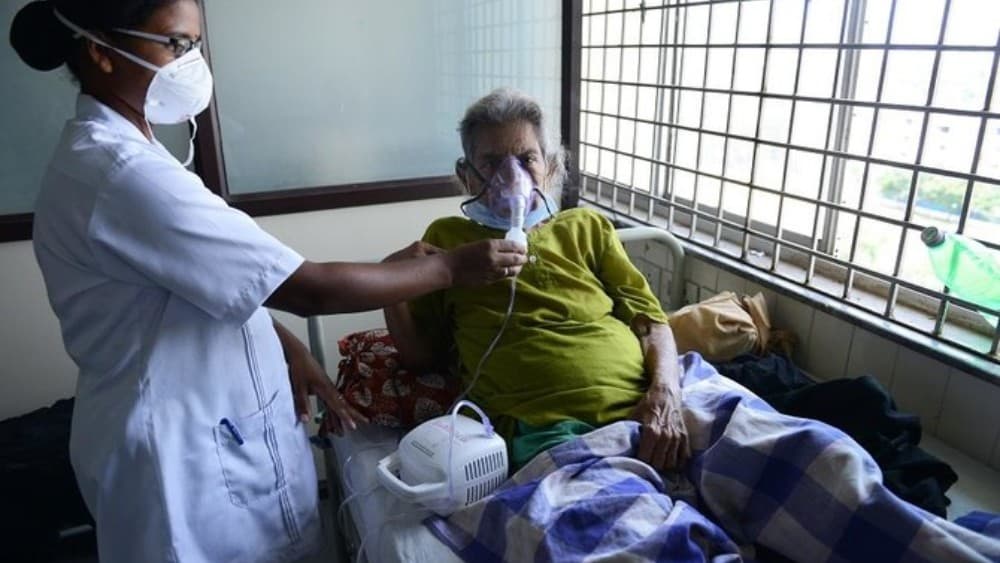
ISLAMABAD: Cases of swine flu are sharply increasing across Delhi and the National Capital Region, as hospitals report a steady rise in H1N1 infections during the monsoon season, according to Indian media reports on Friday.
According to data from India's National Centre for Disease Control (NCDC), Delhi has reported 1,344 confirmed H1N1 (swine flu) cases so far in the 2026 influenza season, compared with 229 cases during the same period last year, a nearly six-fold increase.
The latest city surveillance report shows 895 cases recorded in Delhi by mid-August alone, including 712 adults and 183 children, highlighting the growing impact on younger age groups.
Doctors in Delhi-NCR say hospitals are now seeing 7–10 H1N1 patients daily in outpatient departments, while neighboring cities such as Gurugram and Faridabad are also reporting a steady rise in infections during the monsoon season.
.jpg)
Doctors say the current wave is causing more severe symptoms in some patients, including persistent high fever, breathing difficulties and prolonged cough.
Dr Sandeep Budhiraja, Group Medical Director at Max Healthcare, told India Today that monsoon conditions create an environment in which respiratory viruses spread more easily.
He advised people experiencing flu symptoms to isolate themselves, wear masks in crowded places and seek medical care if symptoms worsen.
The Times of India also reported that hospitals in Delhi have seen an uptick in swine flu cases over recent weeks. Physicians told the newspaper that fluctuating weather, humidity and increased indoor gatherings during the rainy season are contributing to the spread of the virus.
Doctors quoted by The Times of India stressed the importance of hand hygiene, covering coughs and sneezes, and avoiding close contact with vulnerable individuals while symptomatic.
Children among the most affected
According to NDTV, pediatricians say a growing number of children are being diagnosed with H1N1 across Delhi.
Dr Pankaj Kumar, quoted by NDTV, said that children often spread influenza rapidly because of close contact in schools and daycare settings.
He advised parents to keep infected children at home until they recover fully and monitor for warning signs such as difficulty breathing, dehydration or persistent fever.
Medical experts also recommended that elderly people, pregnant women and individuals with chronic illnesses receive seasonal influenza vaccination if advised by their physicians.