



ISLAMABAD: Google on Thursday launched Digital Pasban, a nationwide online safety initiative for Pakistani families, and announced a $500,000 commitment from Google to expand digital citizenship and artificial intelligence (AI) safety programs.
The initiative aims to reach 200,000 households through localized Urdu-language toolkits, instructional videos and practical training to help parents and children navigate the digital environment safely.
It is being implemented in collaboration with relevant government ministries and departments, as well as private-sector and civil society partners.
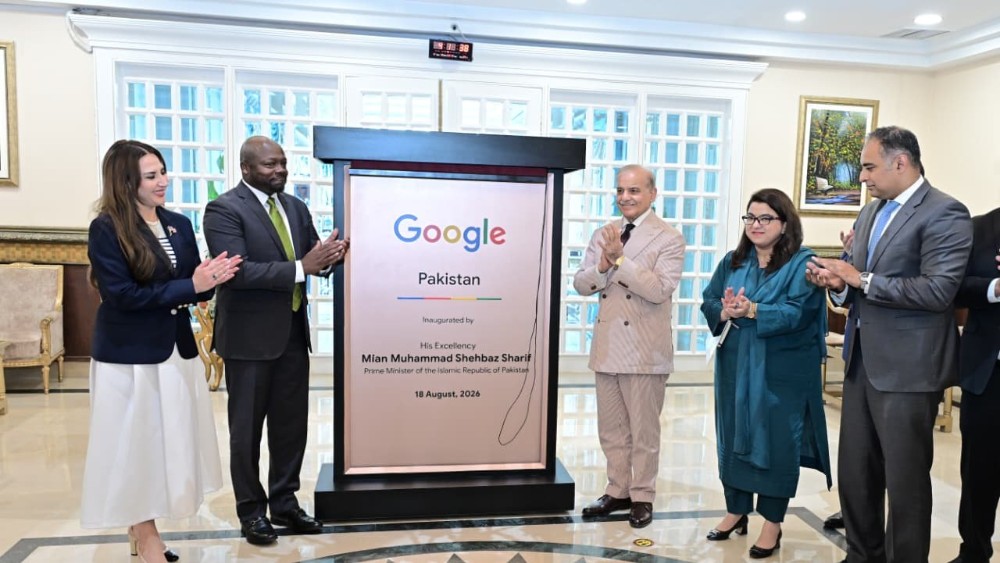

Google said the program focuses on four key areas: Family Link parental controls, YouTube safety features, the Be Internet Awesome digital citizenship program and responsible use of its Gemini AI tools.
YouTube safety features covered under the initiative include age-appropriate content settings, “Take a Break” and “Bedtime” reminders, and controls that enable parents to limit the time children spend watching Shorts, including setting the limit to zero.
Google said Gemini would help parents guide children in the responsible use of AI, with safeguards for minors and a Guided Learning feature that explains complex topics through questions, step-by-step guidance and visual aids.
Online safety education for communities
Digital Pasban will also extend online safety education to communities through broadcast media, text-message alerts, social media campaigns, school-based town halls and safety clinics for parents and guardians.
The tech giant said its $500,000 commitment would support local partners in expanding evidence-based digital citizenship and AI safety programs for young people and adults.
“Digital Pasban reflects our shared commitment with Google to building a safer digital environment for Pakistan’s children and families,” Pakistan Telecommunication Authority Chairman Maj Gen Hafeez Ur Rehman (retired) said.
Protecting children
Google’s Cluster Director for Pakistan, the Philippines, Thailand and Frontier Markets, Farhan Qureshi, said that protecting children was an important part of Pakistan’s expanding digital ecosystem.
“Supporting this momentum means protecting children in the digital space, not keeping them from it,” Qureshi said.
He said Digital Pasban was designed to turn concerns about online safety into confidence through safety clinics, parental toolkits and practical guidance for families.
Google said the initiative builds on its Digital Safar program, which has trained more than 300,000 students and 5,000 educators in digital citizenship.
The company said it has also partnered with Punjab province to provide Google for Education tools and safety curricula to 1.5 million students.