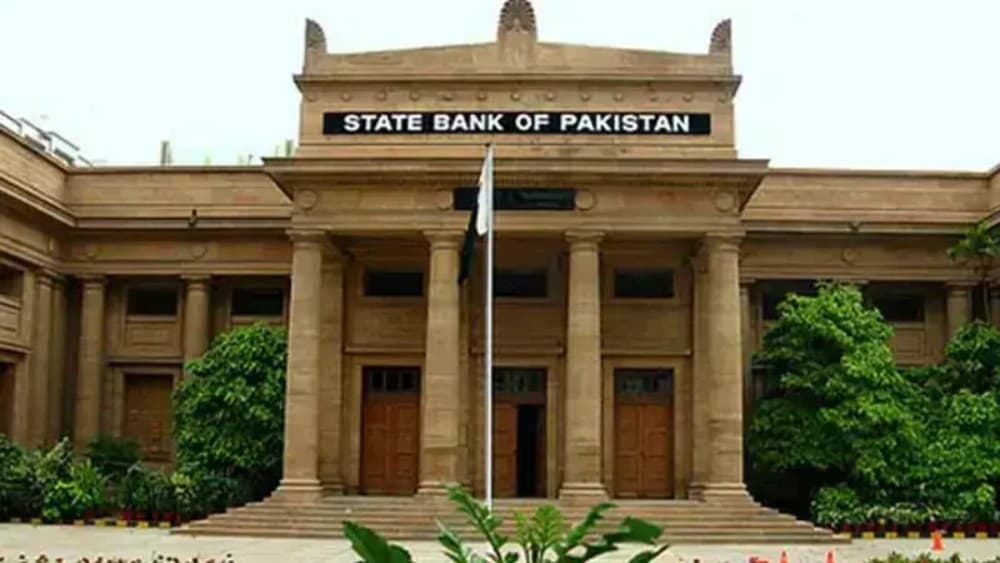
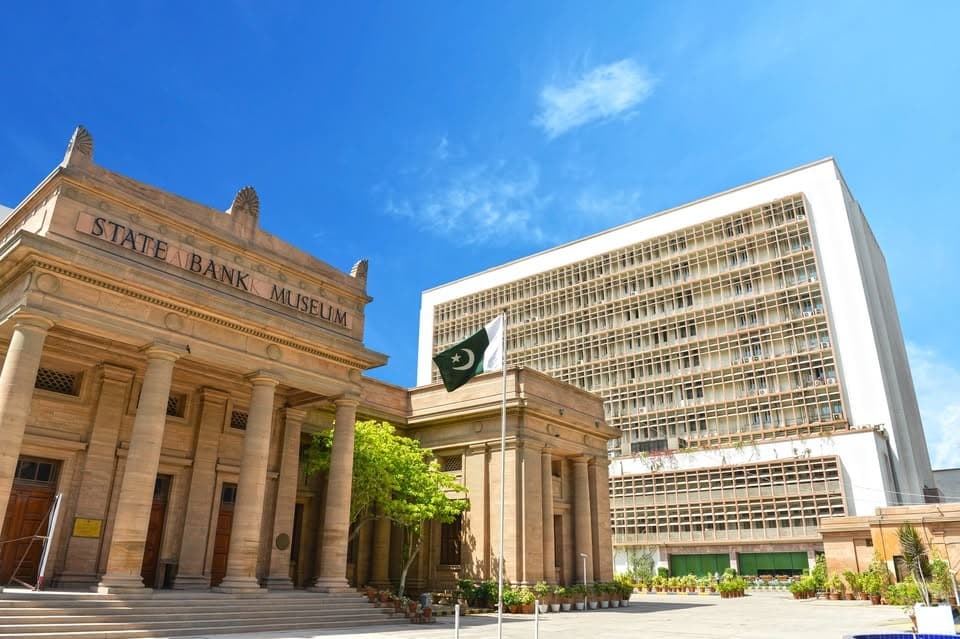
ISLAMABAD: The State Bank of Pakistan expects inflation to ease and stabilize near the upper bound of its target range by the end of FY27, while economic growth is projected to remain between 3.5% and 4.5%.
According to the SBP’s Monetary Policy Report (MPR), August 2026, the economic outlook has been significantly shaped by geopolitical developments, particularly the Middle East conflict that began in late February.
“The conflict triggered a sharp rise in global energy prices, freight and insurance costs, besides disrupting supply chains.”
Despite external shocks, the SBP said that Pakistan’s macroeconomic outcomes in FY26 remained broadly within the projection ranges announced after the January 2026 monetary policy meeting.
The central bank attributed the containment of second-round effects from the energy price shock to prudent monetary policy, saying that inflation expectations remained anchored.
The SBP noted that fiscal measures, including the timely pass-through of global price increases to domestic consumers, targeted subsidies, and austerity measures, helped moderate aggregate demand and keep demand-side pressures muted.
On the external front, the central bank expects the current account deficit to remain between “zero and 1% of GDP.”
This, it said, would support continued foreign exchange purchases and help Pakistan achieve its “$20 billion foreign exchange reserves target by December 2026.”
The SBP expects reserves to rise further by the end of FY27.
However, the central bank warned that the economic outlook remains exposed to several risks.
An escalation of geopolitical tensions in the Middle East could push global energy and commodity prices above current assumptions, putting pressure on Pakistan’s inflation and external accounts.
The report also identified “El Niño conditions and floods” as climate-related risks that could adversely affect economic activity.
The SBP cautioned that delays in structural reforms could weaken exports, slow productivity gains, and constrain Pakistan’s ability to sustain higher economic growth without creating inflationary and external-account pressures.
The Monetary Policy Report also includes analyses of monetary policy transmission, central bank responses to supply-side inflation, inflation measurement, the growing role of open market operations, and sentiment surveys used to assess economic expectations.


.jpg&w=3840&q=75)