ISLAMABAD: In Taliban-ruled Afghanistan, households are selling livestock, sending children to work rather than to school, and losing homes to flooding as economic hardship and climate shocks converge nationwide, according to recently released assessments from several international non-governmental organizations.
The Humanitarian Situation Monitoring Round 13 factsheet, published by REACH, surveyed 12,854 key informants across all 401 districts of Afghanistan between May 10 and June 7. It found that communities in 87% of assessed settlements reported households selling more livestock than usual due to insufficient food or income.
The World Food Programme's Weekly Market Report, covering the first week of August, recorded a 6% year-on-year drop in the price of a one-year-old live female sheep, alongside a 2% decline compared with the three-year average. WFP attributed the decline to weak pastoralists' terms of trade, meaning livestock keepers are receiving less money for the animals they sell.
Casual labor conditions have also deteriorated. According to WFP, unskilled labor availability averaged 2.1 days per week in the first week of August, 14% below both last year and the three-year average. The daily wage for unskilled labor remained unchanged.
Children working instead of learning
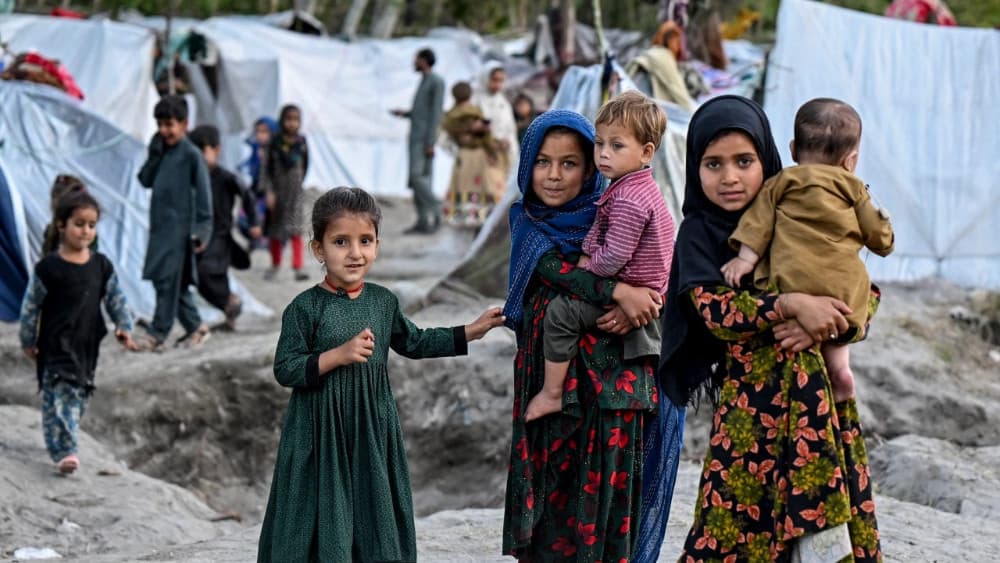
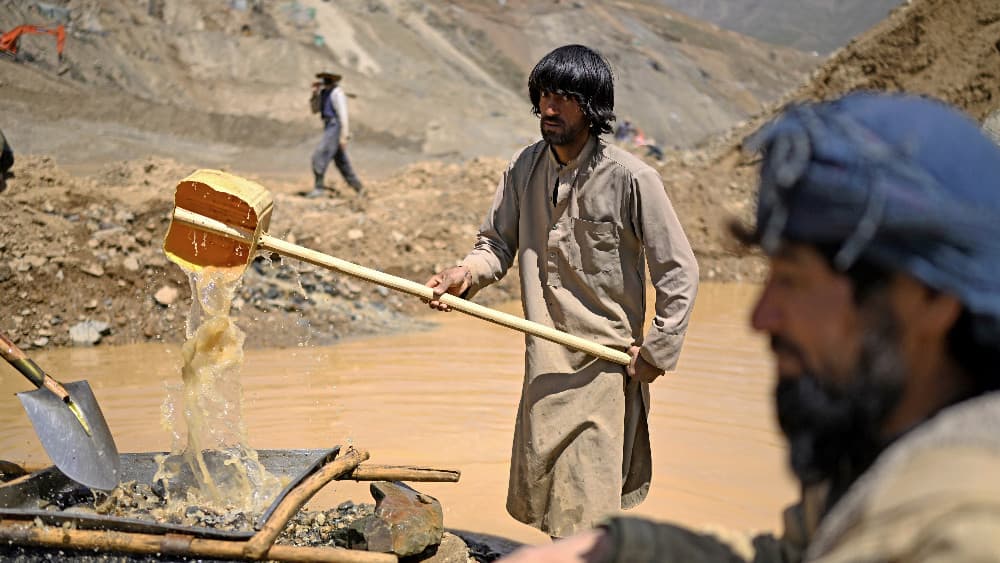
The REACH assessment found that in 28% of assessed settlements, key informants reported that about half of children were engaged in employment. Children were reported working primarily in agriculture (69%), animal care (68%) and domestic chores (54%), with smaller shares in market or street work (23%), construction (11%) and mining (6%).
In a separate finding, REACH reported that 60% of assessed settlements said children were engaged in working specifically to support their families because there was not enough food or money to buy food.
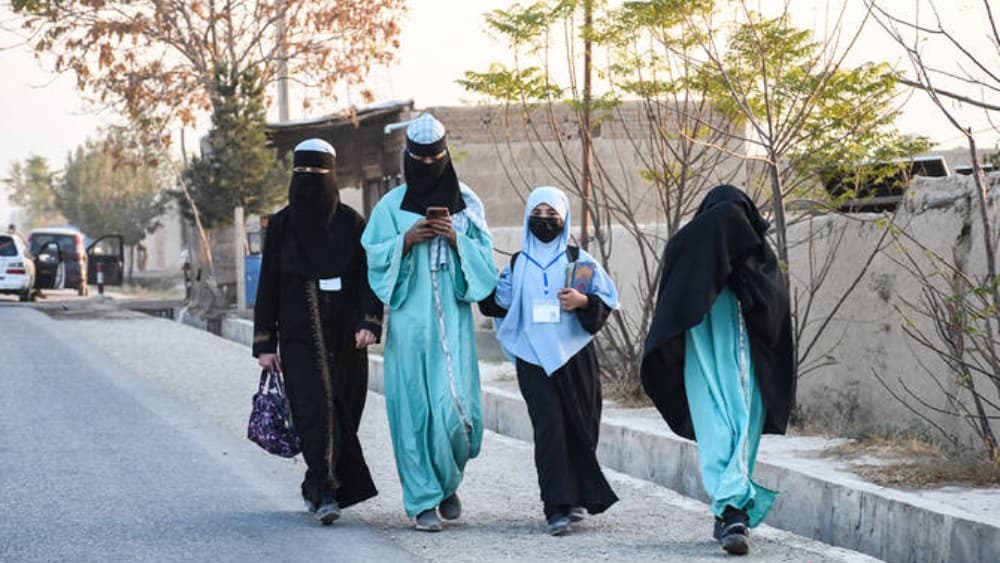
The most commonly reported barrier to children's attendance was the long distance to school, cited in 74% of assessed settlements, followed by a lack of teachers (32%) and a lack of teaching materials (33%). Poor water and sanitation facilities in schools were reported as a barrier in 13% of settlements.
Flooding reshapes displacement
Flooding has also become a growing driver of damage and displacement, according to the same REACH assessment. Severe shelter damage rose from 11% of settlements in the previous round to 15% in Round 13, with the highest proportion reported in Faryab province (41%), followed by Baghlan (35%) and provinces in the Eastern region.
Flooding was reported as the primary cause of most of that damage, specifically in Nangarhar and Laghman (72% each), Samangan (77%), Badghis (68%), and Faryab (54%).
Displacement linked to flooding was reported in 12% of settlements nationally. Reports of many people being directly affected by flooding were highest in the Eastern region, at 45%, and particularly in Nangarhar province, where 59% of key informants reported widespread impacts.
REACH also reported that insect swarms, including locusts and aphids affecting agricultural land and livelihoods, increased from 12% of settlements in March to 20% in the current round, with higher rates in Badghis, Faryab and Dykundi provinces.
Economic pressure across the board
WFP reported that fertilizer prices remained substantially above last year's levels, with diammonium phosphate up 17% year-on-year and urea up 42%. Diesel prices stood 13% above last year and 16% above the three-year average.
According to WFP, the cash transfer value for the food basket remained 4% higher than the last revision in October 2025, with the report noting that food basket prices remain slightly elevated year-on-year due to rising fuel costs and depreciation of the Afghani exchange rate.
The REACH assessment noted that economic hardship remained the primary driver of displacement in 80% of settlements in Round 13, while shock-related displacement was less common and mainly linked to conflict (15%) and flooding (12%).
Report by Human Rights Watch
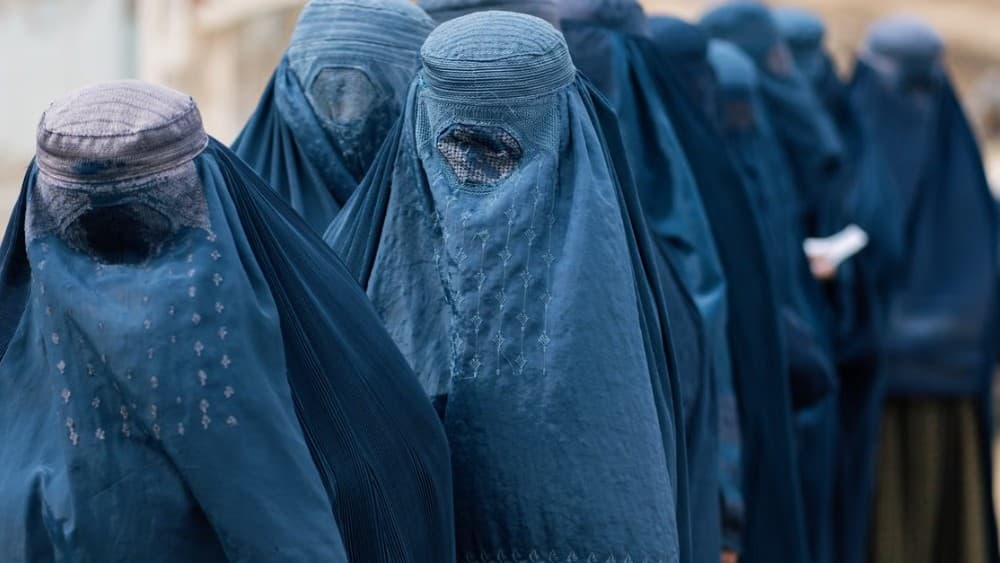
According to an HRW report marking the fifth anniversary of the Taliban's return to power, the regime has systematically dismantled women's rights through education bans, strict restrictions on the autonomy of civilians and journalists, and employment prohibitions, while the population faces a severe humanitarian crisis marked by widespread hunger and healthcare failures. Widespread repression includes the targeting of minorities and the total suppression of dissent.