


ISLAMABAD: Pakistan on Friday declared it was in “open war” with Afghanistan after responding to what it described as a large-scale unprovoked cross-border assault, launching retaliatory strikes that killed at least 133 Afghan Taliban and wounded more than 200 others.
Earlier, Taliban government spokesman Zabihullah Mujahid had announced the operation on X, describing "large-scale offensive operations" against the Pakistani military.
According to Pakistani officials, Afghan forces initiated coordinated attacks on military posts along the border on Thursday night, prompting airstrikes on what Information Minister Attaullah Tarar described as Afghan Taliban defense targets in Kabul, Paktia, and Kandahar.
Defence Minister Khawaja Asif said, "Our cup of patience has overflowed. Now it is open war between us and you," accusing the Taliban of turning Afghanistan into a "proxy for India" and a gathering place for terrorists exporting terrorism into Pakistan.
Meanwhile, Pakistan Prime Minister Shehbaz Sharif said the armed forces were fully capable of “crushing any aggressive ambitions.”
Mounting violence
The escalation follows weeks of intensifying cross-border tensions.
Pakistan’s military media wing, the Inter-Services Public Relations (ISPR), has repeatedly pointed out Afghan-based elements of initiating cross-border attacks and attempting to target security forces along the border.
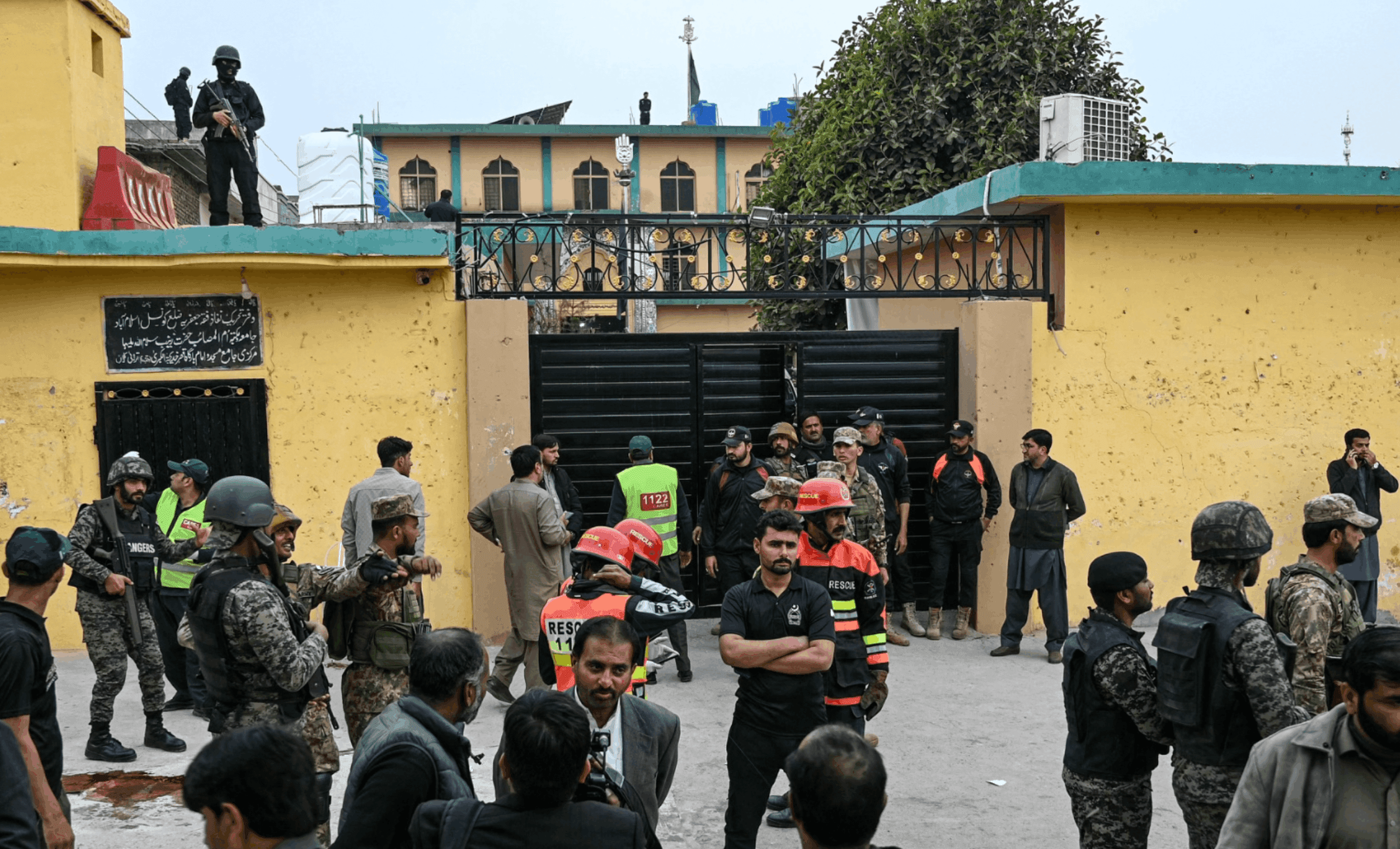
On Feb. 6, a suicide bombing at a mosque on the outskirts of Pakistan’s capital martyred at least 31 people and injured more than 100 during Friday prayers.
The attack was claimed by the Islamic State Khorasan Province (ISKP). Pakistani officials said the group operates from Afghan territory and accused Kabul of failing to curb terrorist networks.
On Feb. 16, ISPR confirmed a terrorist attack was attempted on security forces and law enforcement agencies' joint check post in Bajaur District by Khwarij belonging to Indian proxy, Fitna al Khwarij.
On Feb. 21, the security forces convoy was targeted by Fitna al Khwarij in Bannu District while an intelligence-based operation was being conducted on the reported presence of Khwarij, including a suicide bomber. The attack killed two soldiers, including a lieutenant colonel, ISPR confirmed.
Later that night, the Pakistan Air Force launched “Operation Ghazab lil Haq,” striking seven terrorist camps in Afghanistan’s Nangarhar, Paktika, and Khost provinces. Islamabad said the raids were retaliation for a string of attacks inside Pakistan and officially identified these as "intelligence-based, selective operations" against hideouts belonging to the TTP (Tehreek-e-Taliban Pakistan, which Pakistan now formally calls Fitna-al-Khawarij), and ISKP.
Pakistan's information ministry said it had "conclusive evidence" that the February attacks were carried out by terrorists at the "behest of their Afghanistan-based leadership and handlers."
A statement from Prime Minister Sharif's office said the Pakistani people and armed forces were "fully prepared to safeguard the nation's security, sovereignty, and territorial integrity" and that "any aggression will be met with a fitting response."
In a press release issued by the Press Information Department, President Asif Ali Zardari said that Pakistan had cautioned the international community that “when terrorist groups are allowed space, facilitation or impunity beyond national borders, the consequences are borne by innocent civilians all over the world.”
Pakistan said it had "made every effort to keep the situation normal through direct means and through friendly countries" and had "engaged in full-fledged diplomacy" before resorting to military action.