


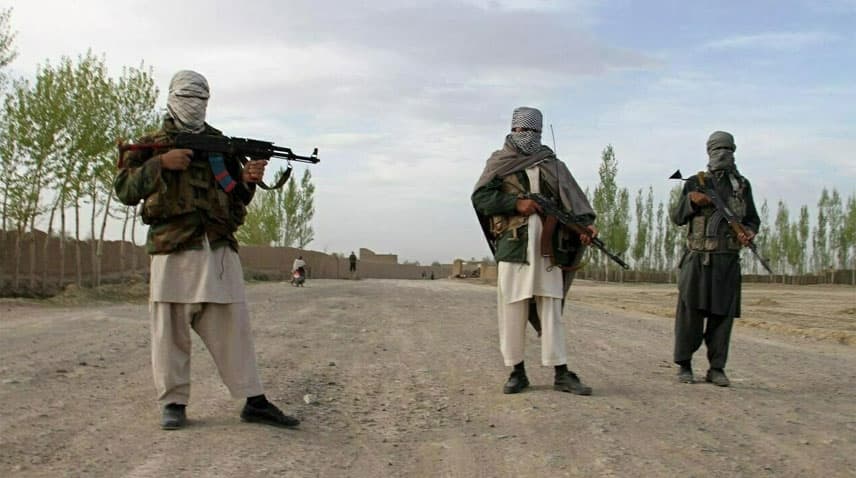
ISLAMABAD: The Tehreek-e-Taliban Pakistan (TTP), operating from Afghan territory, could evolve into an extra-regional threat if it deepens cooperation with Al Qaeda-aligned groups, the United Nations Security Council’s latest monitoring report has warned.
In its 37th report, covering July to December 2025, the Analytical Support and Sanctions Monitoring Team said some member states expressed concern that the TTP may expand its targeting ambitions beyond Pakistan, particularly if collaboration with transnational jihadist networks intensifies.
The report states that Afghanistan’s de facto authorities continue to provide a “permissive environment” for terrorist groups. While several violent factions remain active, the Monitoring Team noted that the TTP enjoys greater operational latitude and support compared with others — a dynamic linked to a marked surge in attacks against Pakistan.
“De facto authorities continued to provide a permissive environment for a range of terrorist groups, notably Tehreek-e-Taliban Pakistan,” the report states, endorsing Islamabad’s long-standing complaints that terrorists are using Afghan territory as a safe haven.
Surge in cross-border violence and operational reach
The United Nations assessment underscores that TTP has grown into one of the largest terrorist groups operating out of Afghanistan, developing deep roots across several eastern and southeastern provinces.
The group has been linked to many attacks, particularly in the latter half of 2025, contributing to heightened tensions along the Pakistan-Afghanistan frontier.
The Monitoring Team also documented expanded capabilities, citing access to modern weapons, training infrastructure, and logistical backing that have boosted the group’s lethality.
These include advanced small arms, night-vision equipment and even drone systems — often facilitated through systems of movement passes and permits allegedly issued by Afghan authorities.
Al Qaeda ties and wider threat concerns
Beyond its cross-border campaign, the TTP’s relationship with Al Qaeda remains a central concern. Member states cited in the report warned that the group’s operational cooperation with Al Qaeda-aligned networks could broaden its target set and potentially make it an extra-regional threat beyond South Asia.
The report further highlights that Al Qaeda continues to act as a “service provider” for other terrorist groups in Afghanistan, offering training and strategic support, particularly to the TTP, fueling fears of a widening nexus of extremist collaboration.
Taliban denials and international friction
The findings starkly contradict repeated Taliban assurances that no terrorist groups operate within Afghan borders, with the report noting that no UN member state endorsed this claim. The persistent sanctuary for the TTP and other terrorist groups is now recognized as a credible and documented threat, complicating Kabul’s diplomatic positioning and fueling mistrust with neighboring capitals.
Implications for regional security
While the Monitoring Team stopped short of declaring that TTP has carried out attacks outside the region, the trendlines suggest a dangerous evolution. Member states expressed particular worry that deeper TTP-Al Qaeda links could enable the group to strike beyond Pakistan, potentially drawing in targets across Central and South Asia or further afield.
The report’s publication comes amid ongoing violence in Pakistan, including high-profile attacks on civil and security targets, reinforcing the urgent need for coordinated regional counter-terrorism action and renewed international engagement on Afghanistan’s terrorist landscape.