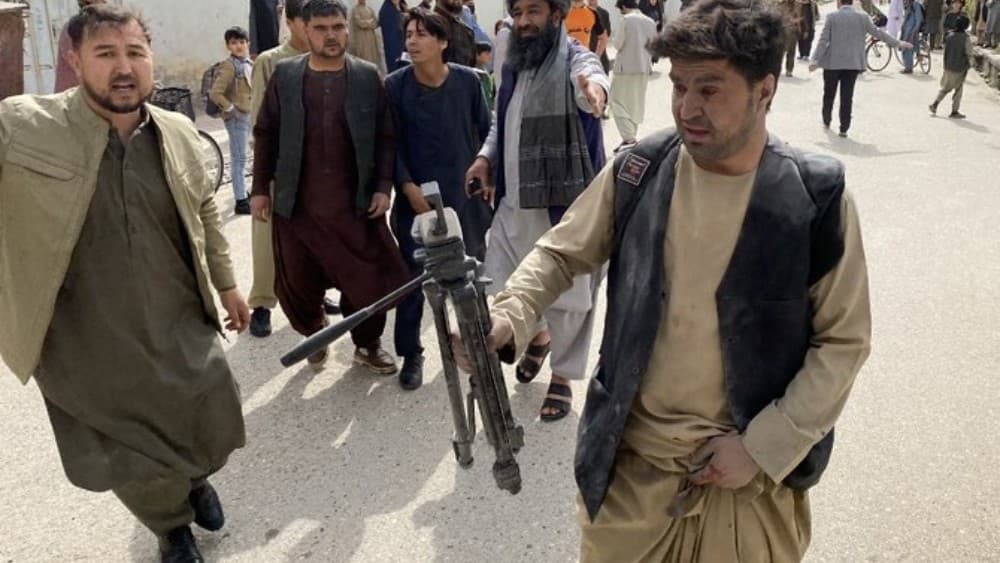
ISLAMABAD: Afghanistan’s independent media has faced increasingly severe restrictions since the Taliban returned to power in August 2021, with new directives, provincial orders and legal measures steadily narrowing the space for journalists to operate, Reporters Without Borders reported.
In a report issued ahead of the fifth anniversary of the Taliban takeover, the media watchdog said authorities have introduced more than 20 national directives, in addition to numerous provincial orders, that have progressively restricted press freedom across the country.
RSF’s South Asia head, Célia Mercier, said the measures have increasingly placed the flow of information under Taliban control and reduced the space available to independent journalists and media organizations.
The restrictions include bans on criticism of the interim Taliban administration, limits on political debate and increasingly broad measures affecting women journalists. In some parts of Afghanistan, authorities have also restricted the broadcasting of women’s voices. A separate prohibition on displaying images of living beings has added further pressure on broadcasters, RSF said.
The organization said the restrictions have evolved from informal instructions and administrative pressure into a more formal legal system.
One of the latest developments came in January 2026, when the Taliban introduced a new Criminal Procedure Regulation for the courts. The regulation was not subject to public consultation and became known outside government circles after the text was leaked.
While the regulation does not specifically identify journalists, RSF said it contains no protections or exemptions for media workers. The organization said this leaves journalists exposed to prosecution and potentially severe punishment.
Under the regulation, insulting Taliban leadership can result in flogging and imprisonment. Insulting the group’s supreme leader can carry a sentence of up to one year in prison and 39 lashes, according to RSF.
The watchdog also pointed to broadly worded provisions covering offenses including rebellion, subversion and heresy. It said such provisions could give authorities additional grounds to act against critical reporting and effectively turn restrictions on criticism into criminal offenses.
The pressure has also contributed to a significant exodus of Afghan journalists. RSF said hundreds have left the country to escape repression and continue their work from abroad.
Afghanistan’s wider media sector has suffered as well. KabulNow reports that more than half of the country’s media outlets have shut down since the Taliban takeover, while many journalists have fled or gone into hiding.
Those who remain continue to face arrests, censorship, interrogations, threats and pressure related to their reporting and online activities, according to the report.
Afghanistan’s ranking in the 2026 World Press Freedom Index reflects the deteriorating conditions. RSF placed the country 175th among 180 countries, putting it among the world’s most restrictive environments for journalism.
RSF has called for regulations restricting journalism to be repealed. It has also urged governments that host or process Afghan journalists to take into account the dangers they could face if deported or forcibly returned.
The organization is further calling for protection for journalists who have fled Afghanistan, including access to visas that would allow them to remain safe and continue their work.