


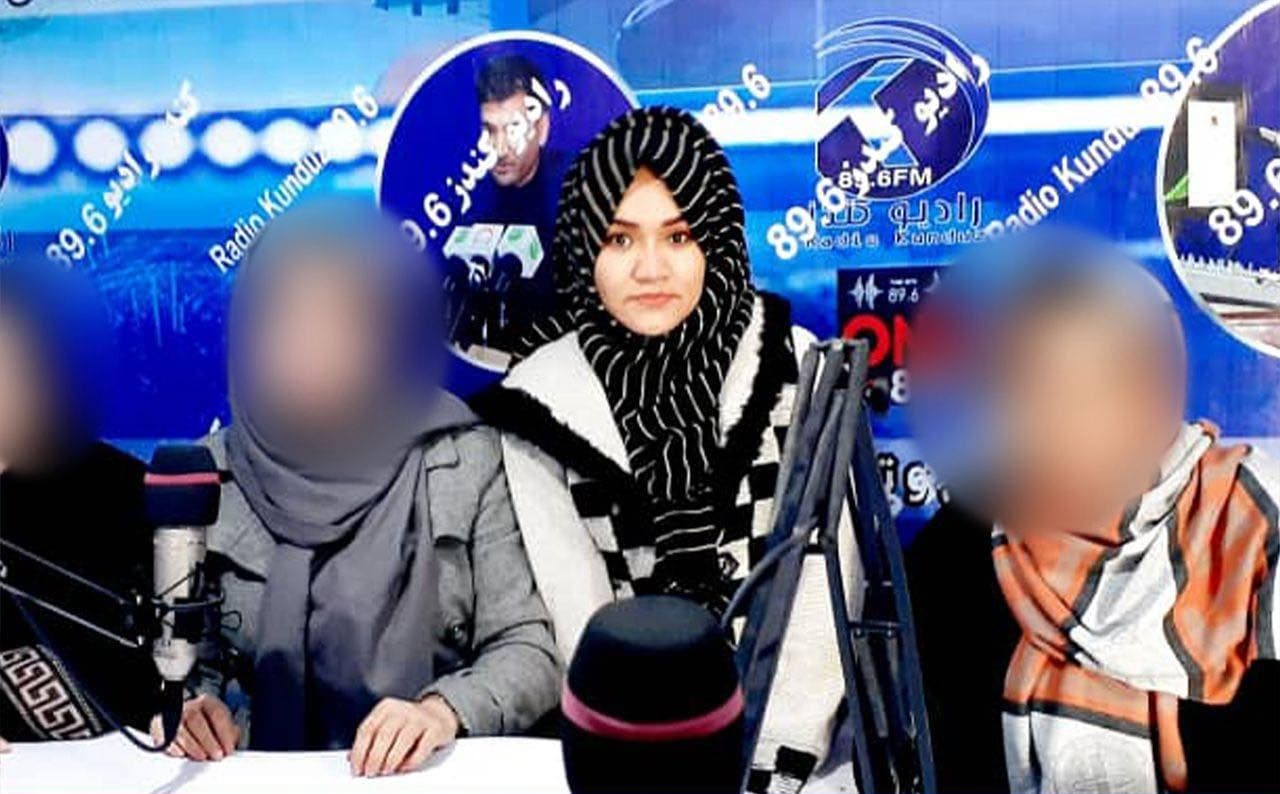
ISLAMABAD: The Taliban authorities arrested a woman journalist in northern Kunduz province on Tuesday and transferred her to an unknown location, the Afghan Media Support Organization said in a statement.
According to a statement posted on the organization’s Facebook page, Nazera Rashidi has been detained for four days without disclosed charges.
She is the sole guardian for her younger siblings in a household without an adult male, the organization said.
The family told the Afghan Media Support Organization that Rashidi "has not engaged in any illegal activities," according to the statement. The organization called for her immediate release and urged Taliban authorities to "clearly state the legal reasons for her detention."
The arrest adds to documented cases of journalist detentions since the Taliban returned to power in August 2021.
Press freedom decline
Afghanistan ranked 175th out of 180 countries in the 2025 World Press Freedom Index compiled by Reporters Without Borders, scoring 17.88 out of 100.
Within months of the Taliban takeover, 43% of media outlets disappeared, according to Reporters Without Borders. By late 2024, more than two-thirds of Afghanistan's 12,000 journalists had left the profession, the United Nations documented.
Between August 2021 and September 2024, the UN Assistance Mission in Afghanistan and the Office of the High Commissioner for Human Rights recorded 336 cases of human rights violations against media professionals, including 256 arbitrary arrests and 130 instances of torture or ill-treatment.
Impact on women journalists
More than 80% of women journalists have stopped working since 2021, according to a survey by Reporters Without Borders in collaboration with the Afghan Independent Journalists Association.
In some provinces, women's voices are banned from broadcasts, according to Human Rights Watch. Those still working face workplace segregation requirements and must cover their faces on camera.
Afghan officials refuse interviews with women journalists or exclude them from press events, Human Rights Watch reported.
Recent restrictions
The Taliban banned broadcasting images of living beings in several provinces, including Takhar, in 2024 and 2025, and restricted social media access on smartphones.
As of late 2025, the Taliban began broadcasting forced "confessions" of journalists online after arrests for alleged "anti-Taliban propaganda," Reporters Without Borders reported.
The General Directorate of Intelligence conducts most arbitrary detentions, while the Ministry for the Propagation of Virtue and Prevention of Vice provides oversight, according to the UN Assistance Mission in Afghanistan.
The Committee to Protect Journalists and the #KeepItOn coalition condemned nationwide internet shutdowns in late 2025 that Taliban authorities ordered to curb "immorality."
The Afghan Media Support Organization called on international institutions and human rights organizations to "take practical measures to prevent the continued arrests and harassment of female journalists."