


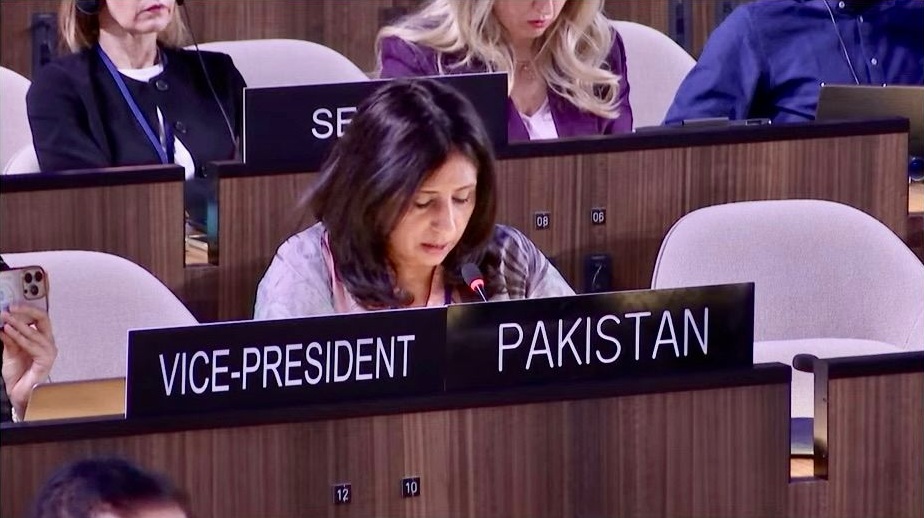
ISLAMABAD: UNESCO has added 12 Pakistani cultural properties to its World Heritage Tentative List, expanding the country’s registry of sites being considered for potential World Heritage status.
The sites, added in 2026, include historic forts, Buddhist archaeological remains, ancient settlements, religious monuments and culturally significant landscapes across Sindh, Khyber Pakhtunkhwa, Punjab and Islamabad Capital Territory.
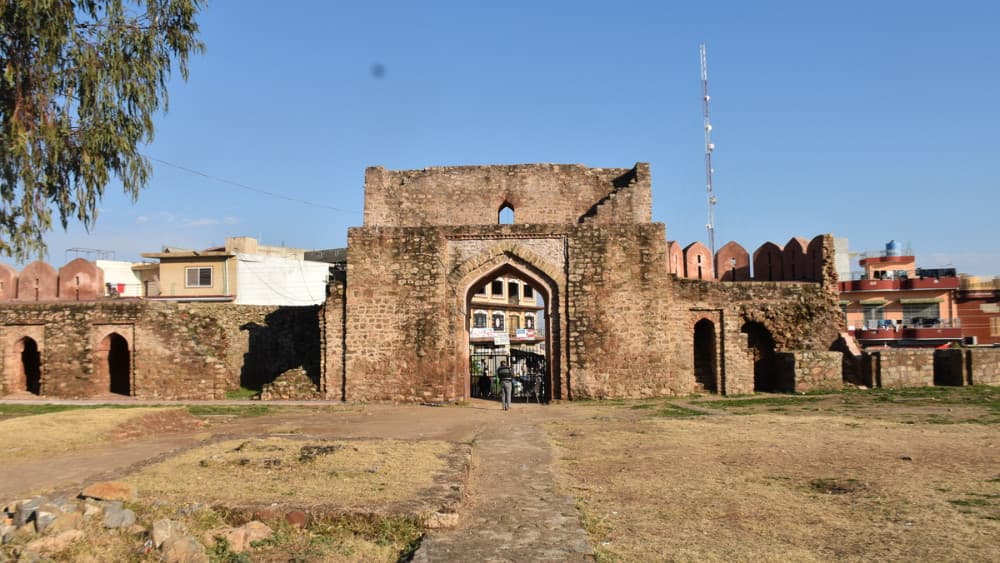
Among the additions is Umerkot Fort in Sindh, an 11th-century fortress traditionally associated with the birth of Mughal Emperor Akbar. Naukot Fort was built in 1814, while Kot Diji Fort dates to 1797.
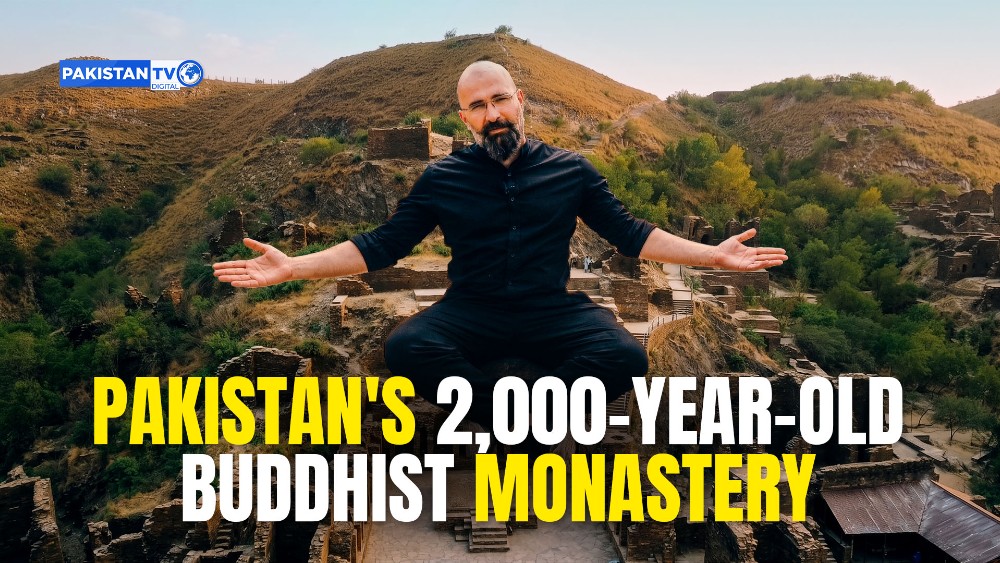
The Bhamala Buddhist Complex in Khyber Pakhtunkhwa dates from the second to fifth centuries and contains a rare cruciform stupa. Bazira-Barikot in the Swat Valley preserves evidence of continuous human occupation from about 2000 B.C. through the Islamic period. UNESCO records say Alexander the Great captured the city in 327 B.C.
Other newly added properties include Gor Khatri in Peshawar, an archaeological complex containing cultural layers spanning about 2,300 years, and Sethi House, a 19th-century mansion associated with Peshawar’s merchant community.
The Kalasha Valley Cultural Landscape in Khyber Pakhtunkhwa is also among the additions. The area remains inhabited by the Kalasha people, whose cultural and religious traditions predate Islam in the region.
The list also includes Rewat Fort and the Tomb of Sultan Muqarrab Khan in Islamabad Capital Territory, Pharwala Fort in Punjab, which dates to about 1008, and Mai Qamro Mosque in Islamabad Capital Territory, built in the early 16th century.
Pakistan now has 49 properties on UNESCO’s Tentative List. China has 60 properties on its Tentative List, while India has 44 sites inscribed on the World Heritage List.
UNESCO defines the Tentative List as an inventory of properties a country intends to consider for nomination to the World Heritage List. Under UNESCO’s guidelines, a property generally must first be included on a country’s Tentative List before its nomination can be considered.
Inclusion on the Tentative List does not give a site the same status or protections as World Heritage inscription. Full inscription can bring international recognition and access to UNESCO-related conservation assistance and technical support.
Pakistan currently has six properties inscribed on the UNESCO World Heritage List.