


ISLAMABAD: Pakistan said Wednesday that India's rejection of a Permanent Court of Arbitration ruling on the Indus Waters Treaty does not relieve New Delhi of its obligations under the six-decade-old water-sharing pact, sharpening a dispute between the nuclear-armed neighbors.
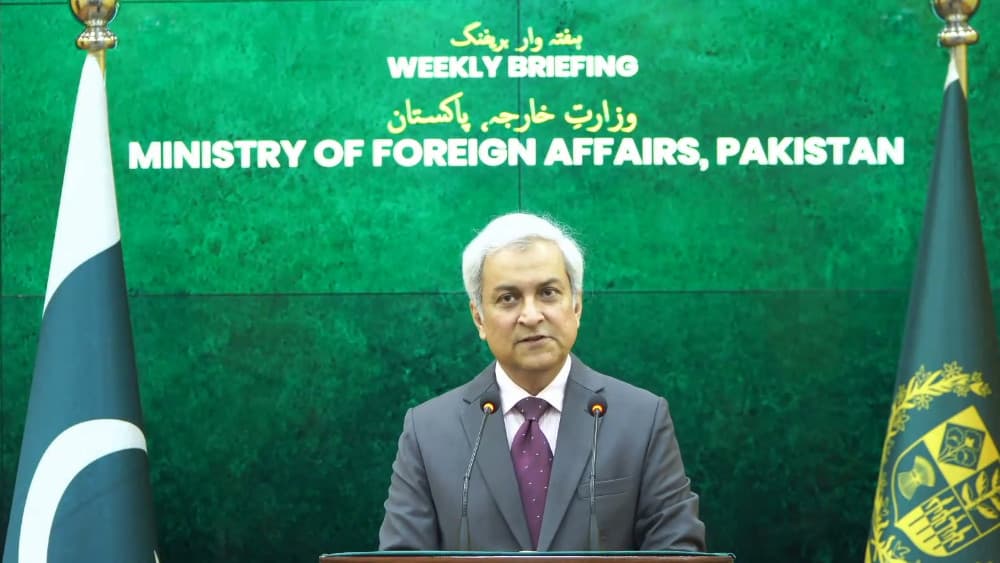
"India cannot treat international law as a matter of convenience," Foreign Office spokesperson Tahir Andrabi said at a weekly briefing in Islamabad. He stated that "invoking it when useful and setting it aside when the outcome was unfavorable." He said the rejection raises concerns beyond the immediate water dispute and risks setting a precedent for other regions that rely on legal frameworks to manage shared resources.
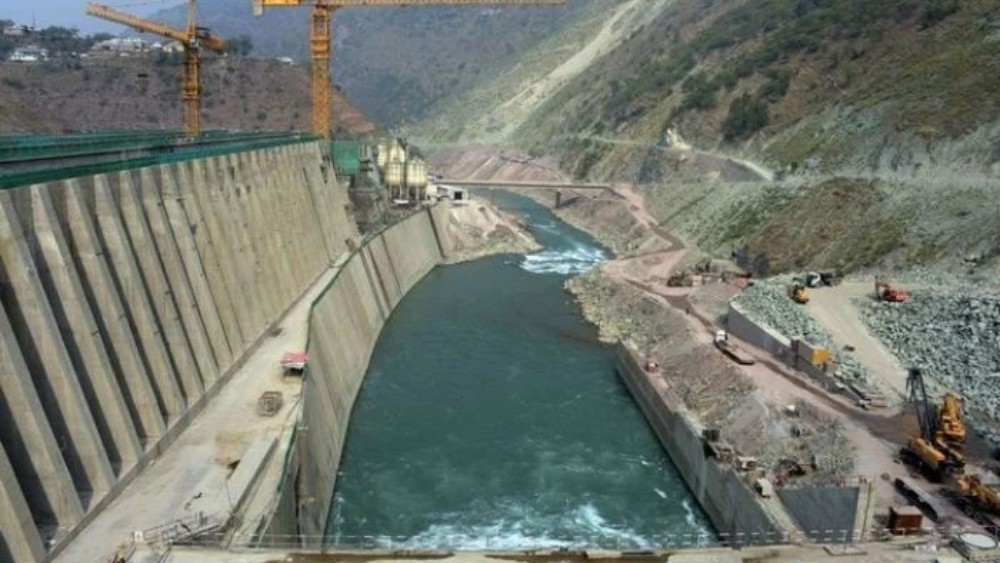
An Aug 31 ruling stems from a Permanent Court of Arbitration case in The Hague that found India had no legal basis to unilaterally suspend the 1960 treaty, affirming the pact remains binding despite New Delhi's move to hold it in abeyance following an April 2025 attack in Pahalgam, Indian-Illegally Occupied Jammu and Kashmir. The five-member tribunal also ordered India to halt construction above specified levels on the Ratle hydropower project's dam wall and intake structure, one of two contested hydroelectric plants on the western rivers allocated to Pakistan under the treaty, pending a final technical assessment from a World Bank-appointed neutral expert expected by mid-2027.
India has rejected the ruling outright, calling the tribunal 'illegitimate' and arguing that such technical disputes fall solely under the neutral expert process rather than parallel arbitration.
Andrabi called on India to return to full compliance with the treaty and to engage with Pakistan through the dispute-resolution mechanisms both countries agreed to when the treaty was signed.
The Indus Waters Treaty, brokered by the World Bank in 1960, governs the sharing of water from the Indus river system between the two countries.
Makkah defense agreement
The spokesperson said no formal decision has been made on a secretary general for the recently signed joint defense agreement among Pakistan, Saudi Arabia and Turkey, and that an announcement would come "in due course."
He dismissed questions about a possible name change for the pact, saying the focus should be on the substance of the joint statement rather than translation differences across Arabic, Turkish and English.
He said he was not aware of any formal applications from other countries, including Kuwait and Bahrain, to join the alliance.
Shanghai Cooperation Organization
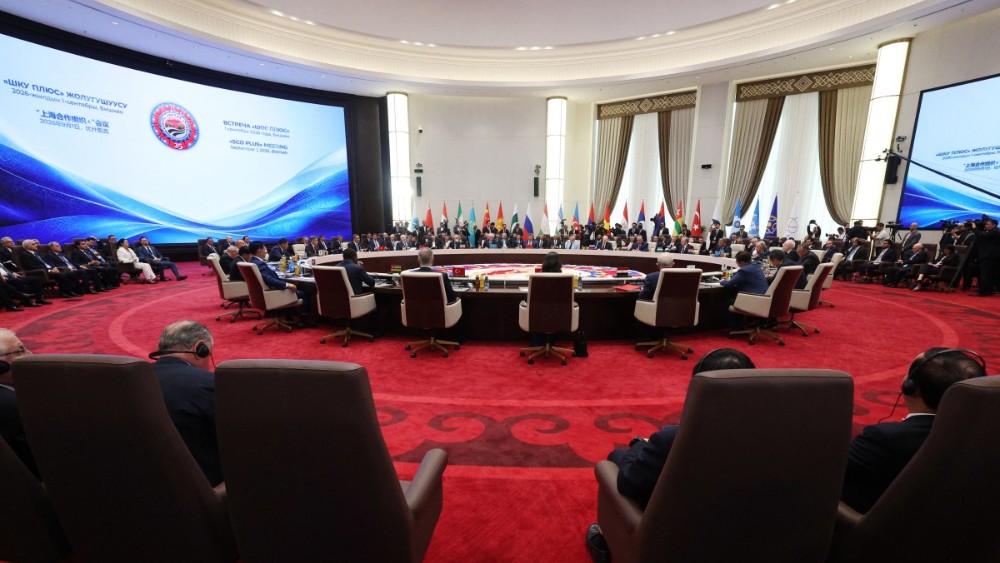
With Pakistan having assumed the rotating chairmanship of the Shanghai Cooperation Organization, the spokesperson said Islamabad would carry out the role in accordance with the group's charter, as it did during a previous stint as chair of the council of heads of government in 2024.
Afghanistan and China
Andrabi confirmed that China's special envoy for Afghanistan, Yue Xiaoyong, met with his Pakistani counterpart in Islamabad from Aug 31 to Sept 1 to discuss efforts to revive a trilateral dialogue process.
He said Pakistan welcomes China's engagement on Afghanistan, but that progress depends on the Taliban administration taking "concrete and verifiable action" against terrorist groups, including Tehreek-e-Taliban Pakistan and the Baloch Liberation Army, that operate from Afghan soil.
Kashmir
Andrabi renewed Pakistan's condemnation of the conviction of Kashmiri leader Yasin Malik in India, calling the proceedings a "sham trial" and saying Islamabad would continue to raise the case at international forums.
Syria and Lebanon
Asked about a visit by Syria's prime minister to Pakistan on Aug 20, Andrabi said the trip was primarily bilateral and not directly tied to the broader Middle East peace process.
On Israel's ongoing strikes and onground operaitons in Lebanon, the spokesperson stated that Lebanon's sovereignty and territorial integrity remained a concern. He said that Pakistan' rejected Israeli incursions into Lebanese territory.
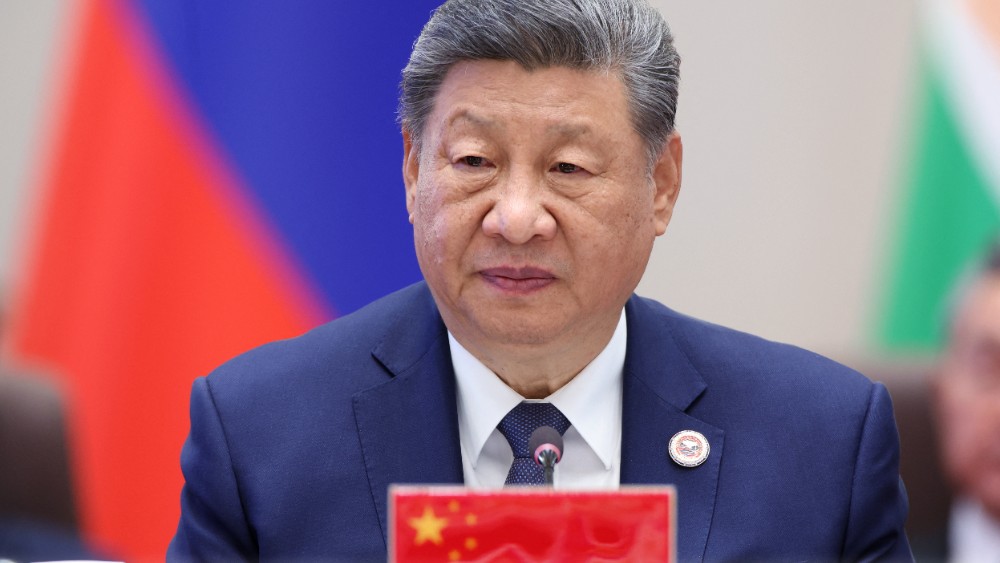
Andrabi added that Pakistan's relationships with other countries, including its longstanding partnership with China, are assessed independently and not affected by those countries' dealings with third parties.