ISLAMABAD: Pakistan has made notable progress in expanding its digital payments ecosystem during the first year of the Government's Cashless Pakistan initiative, with annual digital transactions increasing from 6.9 billion to 11.3 billion, active digital payment merchants rising from 500,000 to more than 2 million, and digital banking users surpassing 135 million.
The figures were reviewed during a high-level meeting chaired by Minister of State for Finance and Railways Bilal Azhar Kayani, who assessed progress made since the initiative's launch in June 2025.
The Cashless Pakistan initiative was introduced under the direct supervision of Prime Minister Shehbaz Sharif to accelerate Pakistan's transition toward a digital economy.
Built on three pillars -- enhancing public convenience, improving transparency, and promoting the formal documentation of the economy -- the program is being implemented through dedicated committees focusing on digital payments, digital public infrastructure, and the digitization of government payments.
Officials reported encouraging gains in financial inclusion, with the rate now at 69%, while targeted measures have continued to narrow the gender gap in access to financial services.
The Government has also identified 25 high-impact federal and provincial entities for complete integration with the Raast instant payment system by December 2026.
Around 75% of government-to-person (G2P) payments at centralized and self-accounting entities are now being accepted digitally.
Pakistan's push toward a cashless economy has gained momentum over the past few years, with the expansion of the State Bank of Pakistan's Raast instant payment system, rapid smartphone adoption, the growth of branchless banking platforms and increased collaboration among banks, fintech firms and telecom operators.
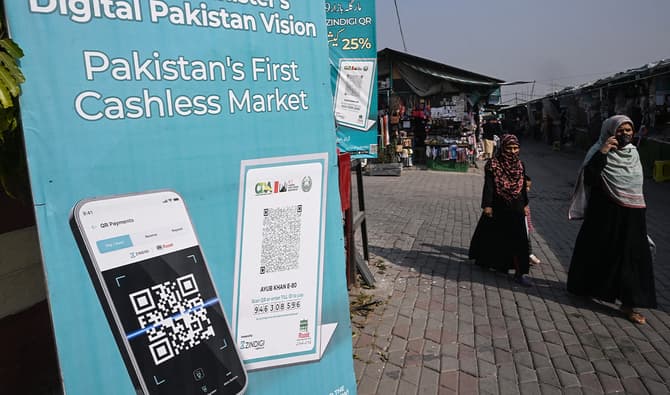
The Government has also promoted QR-code-based payments to encourage digital transactions among small merchants and consumers.
During the review meeting, Kayani emphasized maintaining the pace of reforms while ensuring transparency in reporting and prudent use of public funds.
He said an independent third party has been engaged to validate progress, eliminate data duplication and strengthen monitoring as Pakistan continues its drive toward a more inclusive, transparent and digitally connected economy.