


.jpg&w=3840&q=75)
PARIS: Iran plans to submit a draft nuclear proposal following recent negotiations in Geneva, as the United States increases its military presence in the region.
US President Donald Trump sent the aircraft carrier USS Abraham Lincoln to the region, while a second, the USS Gerald R. Ford, is en route via the Mediterranean. The US has also redeployed dozens of other warplanes to the Middle East, where it maintains several bases, while boosting its air defenses.
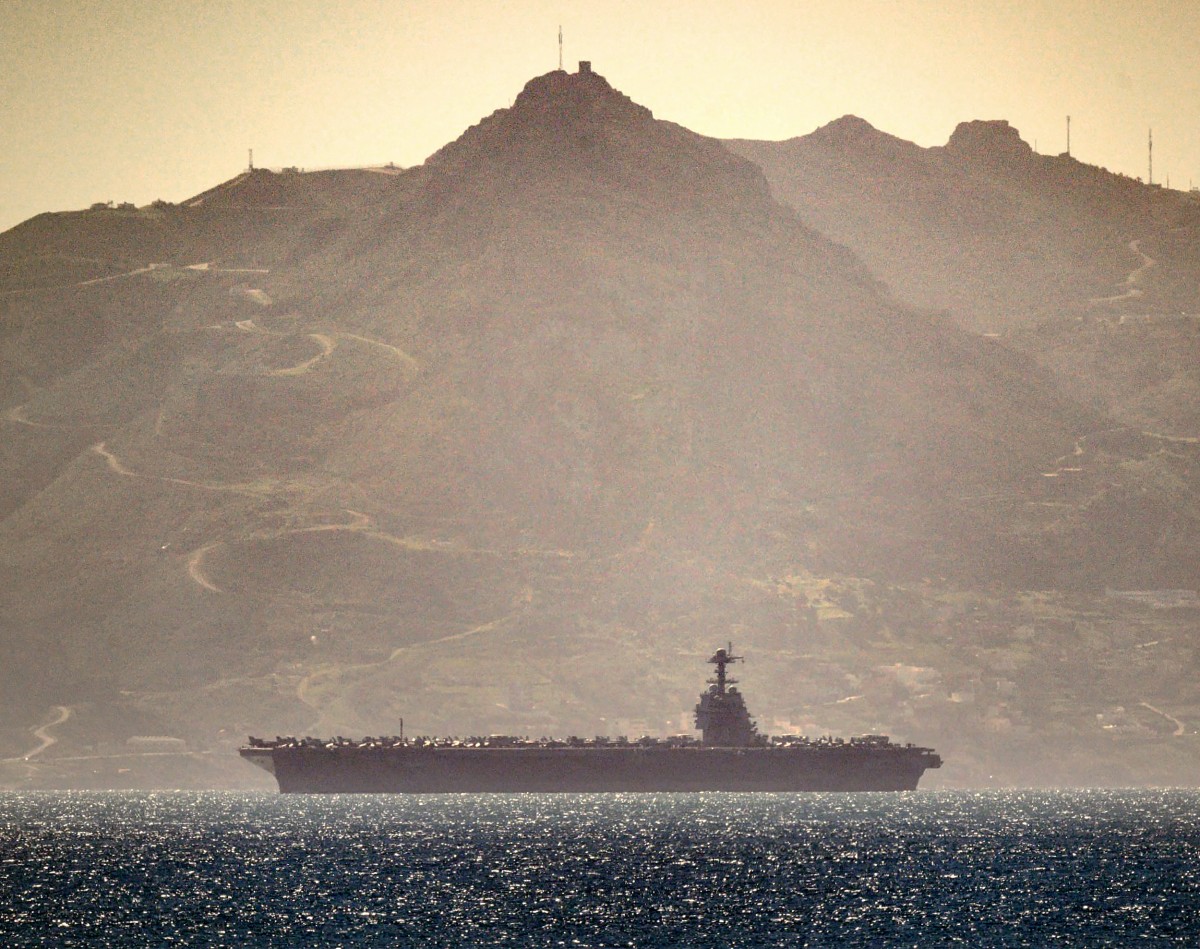
The build-up seeks to pressure Iran's authorities as the two sides pursue nuclear talks.
Iranian Foreign Minister Abbas Araghchi told US media this week that, following the latest round of negotiations in Geneva, Iran would submit a draft agreement proposal, which would be released in a matter of days.
Araghchi also said the "US side has not asked for zero enrichment" of uranium, contradicting statements from American officials.
Iran denies it is trying to produce nuclear weapons, but insists on its right to enrich uranium for civilian purposes.
The US media outlet Axios reported this week, citing an unnamed senior US official, that Washington was prepared to consider a proposed deal that would permit only "small, token enrichment."
Trump has suggested that "bad things" will happen if Tehran does not strike a deal, saying Thursday that it had 15 days to agree.
Fears of a conflict have prompted several foreign countries to urge their citizens to leave Iran, including Sweden, Serbia, Poland, and Australia, which warned, "Commercial flights are currently available, but this could change quickly."
A previous round of nuclear diplomacy last year was interrupted by Israel's surprise bombing campaign against the Middle Eastern nation.
The United States ultimately joined its ally, striking nuclear facilities before declaring a ceasefire.
Iran has maintained that it will defend itself in the event of any new attack.
Iranian President Masoud Pezeshkian, in remarks to athletes carried by state television, said the country would "not yield to any trial, even if the powers of the world stand against us with injustice and try to force us into submission."