


ISLAMABAD: The deadly shooting near Sydney’s Bondi Beach has sparked concern in Pakistan after sections of Indian media, followed by some Israeli and Afghan social media accounts, rushed to link the attack to Pakistan despite no confirmation from Australian authorities.
Soon after the incident, multiple Indian media outlets circulated the name Naveed Akram, portraying him as a “Pakistani attacker.” The claim quickly unraveled when a Pakistani-Australian man with the same name publicly denied any connection, calling the allegations false and dangerous.
Akram said his photographs were taken from his personal social media accounts and falsely linked to the attacker. “That is not me and I have nothing to do with that incident or with that person,” he said, stressing that the misinformation has placed his safety at risk.
“This issue is very serious. I am stressed, scared, and cannot even go outside safely,” Akram added, describing the “dual trauma” caused first by the tragedy itself and then by being falsely identified online.
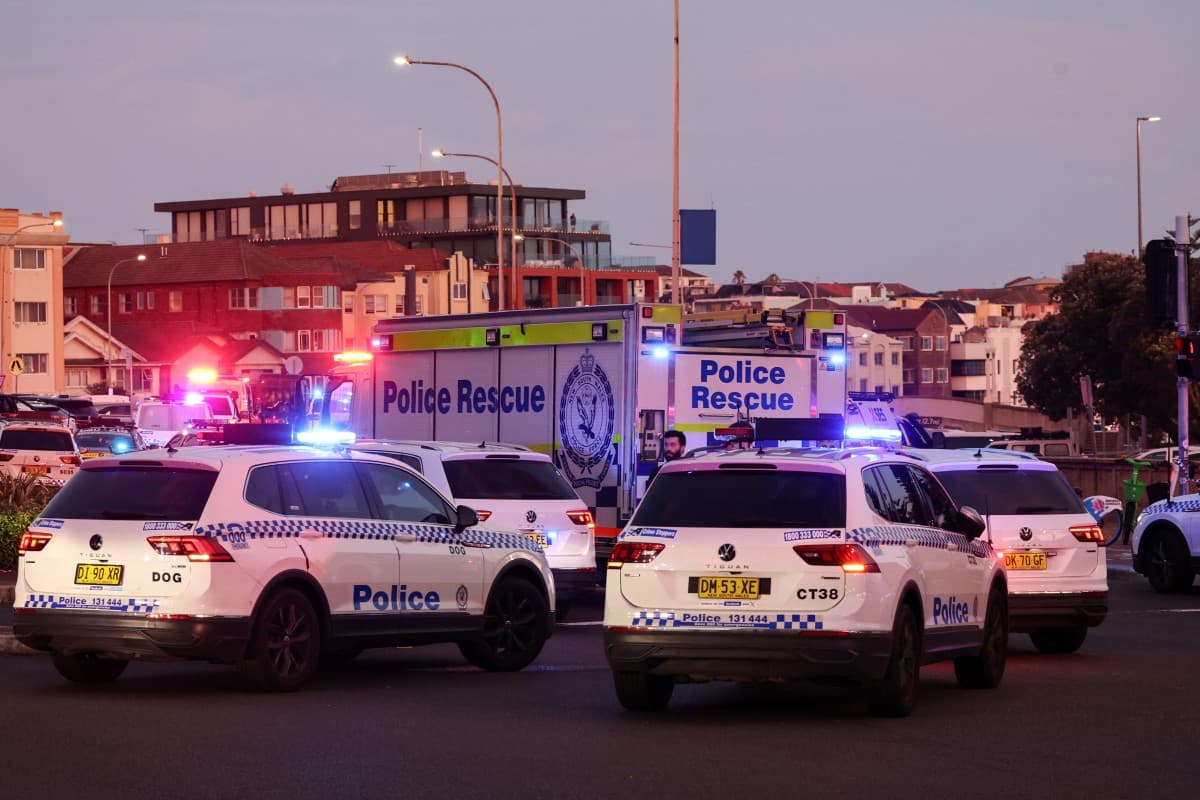
Investigators have tentatively identified one of the attackers, according to Sky News citing three senior law enforcement officials in the US and Australia. New South Wales Police have confirmed that 16 people were killed and 40 remain in hospital following Sunday’s shooting.
The police added that “more information will be made available soon” and that Bondi Beach and surrounding roads would remain closed as investigators continue processing the crime scene.
Nevertheless, unverified narratives continued to circulate online, with some Indian, Israeli, and Afghan-based accounts attempting to associate the attack with Pakistan.
International Relations scholar Ahmad Hassan Al-Arbi noted on X that reports suggested “at least one Afghan national may have been involved,” while emphasizing that official details remain limited and investigations are ongoing.
The rapid spread of unverified claims has renewed concerns over misinformation during crises. Observers note that Indian media, frequently criticized for disinformation, once again amplified an unsubstantiated narrative targeting Pakistan, which was then echoed across aligned online platforms.
Islamabad has strongly criticized New Delhi for a recurring pattern of baseless accusations against Pakistan in the aftermath of international security incidents. The Foreign Office has repeatedly called for restraint, responsible reporting, and reliance on verified facts, warning that premature allegations undermine credibility and threaten regional stability.
The Pakistan Australian Cultural Association Inc (PACA) also issued a statement expressing shock and grief over the attack, condemning the “atrocious and inhumane act of violence and terror” at Bondi Beach.
PACA extended condolences to the victims and their families, expressed solidarity with Australia’s Jewish community, and praised the swift response of emergency services and community members.
The association urged all communities to stand together, reject violence, and reaffirm a commitment to peace, compassion, and resilience, offering professional support to those traumatized by the tragedy.
Prime Minister Shehbaz Sharif condemned the attack and expressed solidarity with Australia. “My deepest condolences to the victims of the tragic terrorist attack at Bondi Beach. Pakistan condemns terrorism in all its forms and manifestations,” he said in a post on X.
He also conveyed Pakistan’s sympathy to the families of the victims and reaffirmed the country’s commitment to opposing terrorism globally.
Australian PM proposes 'tougher gun laws'
Australia's prime minister proposed "tougher gun laws" on Monday a day after gunmen killed 15 people in a mass shooting targeting a Jewish festival at a Sydney beach.
"The government is prepared to take whatever action is necessary. Included in that is the need for tougher gun laws," Prime Minister Anthony Albanese said after police confirmed one of the assailants was licensed to hold six firearms.
Report about IS links
Australia’s intelligence service investigated one of the alleged gunmen in the Bondi Beach shooting for links to the Islamic State group six years ago, the national broadcaster said Monday, according to AFP.
A 50-year-old father and his 24-year-old son are accused of opening fire Sunday on a Hanukkah festival at the famed Sydney beach, killing 15 people and wounding more than 40 others.
Australian media named the gunmen as Sajid Akram, who was killed in a shootout with police, and his son Naveed Akram, who was in hospital in a critical condition under police guard.
The Australian Security Intelligence Organisation (ASIO) looked into the son in 2019, according to public broadcaster ABC, which cited an unnamed senior official in the joint counter-terrorism operation investigating the Bondi Beach attack.
It said Naveed Akram was believed to be closely connected to an Islamic State member who was arrested in July 2019 and convicted of preparing a terrorist act in Australia.
Allegiance to Islamic State
The broadcaster said counter-terrorism detectives believed the two Bondi Beach gunmen had pledged allegiance to Islamic State.
Senior officials reportedly told that the ABC two IS flags were found in the gunmen's car at the beach.
ASIO Director-General Mike Burgess told reporters on Sunday that one of the gunmen was “known to us but not in an immediate threat perspective”.
“So, obviously we need to look into what happened here,” he added.
New South Wales police said they could not confirm the ABC report.
ASIO said it “does not comment on individuals or ongoing investigations”.