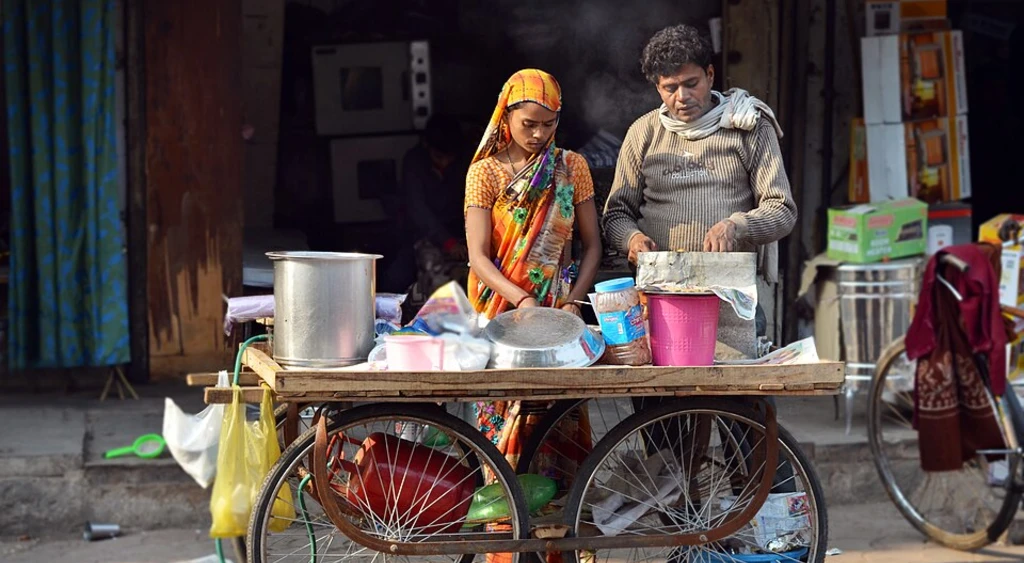
ISLAMABAD: Extreme heat is increasingly disrupting the lives and livelihoods of women workers in India’s capital, with studies showing that rising temperatures are directly linked to income losses and worsening health conditions.
According to a Greenpeace India report, around 76% of women workers in Delhi are employed in the informal sector, including street vending, domestic work, waste collection and gig services, where exposure to outdoor heat is highest.
The report found that for every 1 degree Celsius increase in temperature, earnings in the informal sector can drop by up to 19%, while heatwave conditions can push income losses to nearly 40%.
In Old Delhi’s busy markets, women vendors say rising temperatures are forcing them to shorten working hours as the heat approaches 40 C by midday. Many report dehydration, dizziness and fainting spells due to prolonged exposure.
Domestic workers across the city face similar challenges, traveling long distances in peak heat and working in poorly ventilated homes with tin roofs that retain heat throughout the day and night.
Gig workers, including home-based service providers, also report income losses due to cancellations, delayed travel and reduced bookings during peak heat hours, alongside growing physical strain.
A study published in Scientific Reports shows heatwaves in India have become 1.5 times more frequent and intense over recent decades, increasing the number of heatwave days across the country.
The World Health Organization has warned that extreme heat is a growing public health risk, linked to heat exhaustion, dehydration, kidney-related illnesses and mental stress, particularly among outdoor workers.