ISLAMABAD: The United States and Indonesia announced a new Major Defense Cooperation Partnership on Monday, strengthening military ties as the strategic significance of Southeast Asia’s sea lanes gains increased attention.
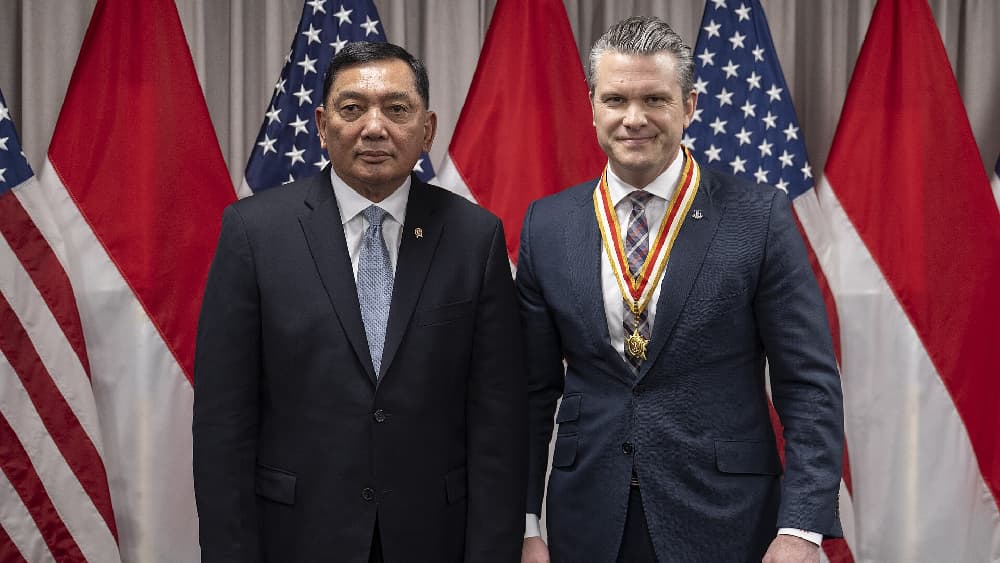
The agreement was unveiled at the Pentagon after US Secretary of War Pete Hegseth met with Indonesian Defense Minister Sjafrie Sjamsoeddin, with both sides saying the framework would deepen operational collaboration, defense modernization, training and interoperability.
According to a US-Indonesia joint statement, the new partnership rests on three pillars: military modernization and capacity building, training and professional military education, and exercises and operational cooperation.
The two sides said they would explore initiatives in maritime, subsurface and autonomous systems, cooperate on maintenance and repair support, and expand joint special forces training.
Hegseth said the two countries already conduct more than 170 military exercises together each year.
Jakarta stressed that any arrangement would protect Indonesian sovereignty and comply with national law.
One of the world’s major chokepoints
The significance of stronger defense ties with Indonesia extends well beyond bilateral military cooperation.
Indonesia sits across some of the world’s most important maritime routes, including the Strait of Malacca and the alternative Sunda and Lombok passages.
The US Energy Information Administration (EIA) says Malacca is the primary chokepoint in Asia, while a major chokepoints database at the research institute, Strauss Center, lists it among the world’s eight major chokepoints.
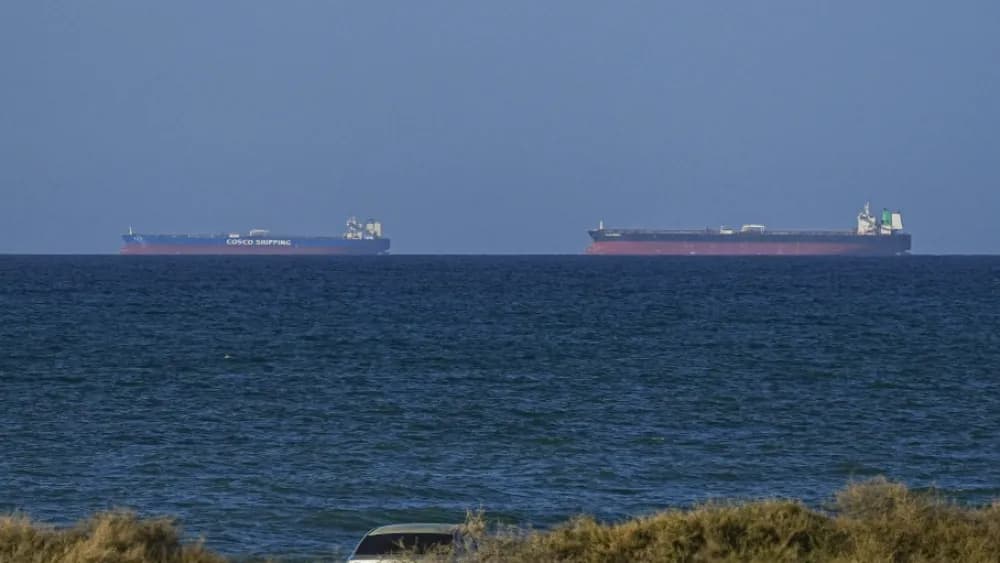
In the first half of 2025, the Strait of Malacca handled an estimated 23.2 million barrels of oil per day, making it the world’s largest oil transit chokepoint, accounting for 29% of global maritime oil flows.
China was the single largest destination for crude and condensate moving through the strait, receiving 7.9 million barrels per day, or 48% of import volumes, while Russian volumes were much smaller at about 0.4 million barrels per day.
Malacca is also one of the world’s most vulnerable bottlenecks. At its narrowest point in the Phillips Channel, it is only about 1.7 miles wide.
Earlier EIA analysis found that more than 90% of crude oil passing through the South China Sea transited the Strait of Malacca, while about 90% of China’s maritime crude imports moved through the South China Sea, underscoring Beijing’s long-standing “Malacca dilemma” and the broader strategic value of Indonesia’s geography.