

ISLAMABAD: Iran on Wednesday rejected reports of talks with the United States, saying no negotiations have taken place since the start of the war in late February, while also outlining strict conditions for any potential end to the conflict, according to the Iranian media.
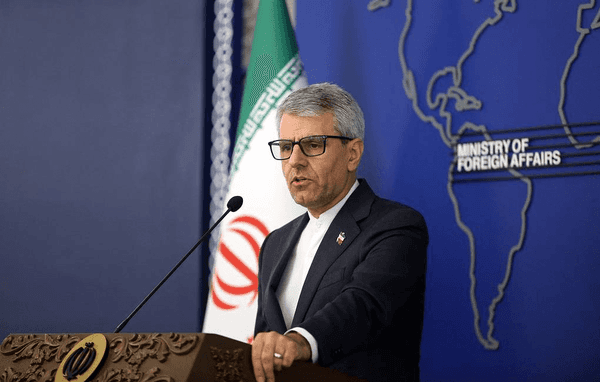
Foreign Ministry spokesperson Esmail Baqaei said there had been no contact between Tehran and Washington in recent weeks and dismissed claims by US President Donald Trump about ongoing ceasefire discussions.
“We made it clear there is no talks or negotiations between Iran and the US,” Baqaei said, as quoted by Fars News Agency. He described past engagement with Washington as a “catastrophic experience” and a “betrayal of diplomacy.”
He said Iran had been attacked twice while engaged in negotiations over its nuclear program, accusing the United States and Israel of launching military strikes during indirect talks.
The spokesperson added that despite receiving mediation offers from several countries, Iran’s position remains unchanged. “Our position is clear: we continue to defend ourselves,” he said.
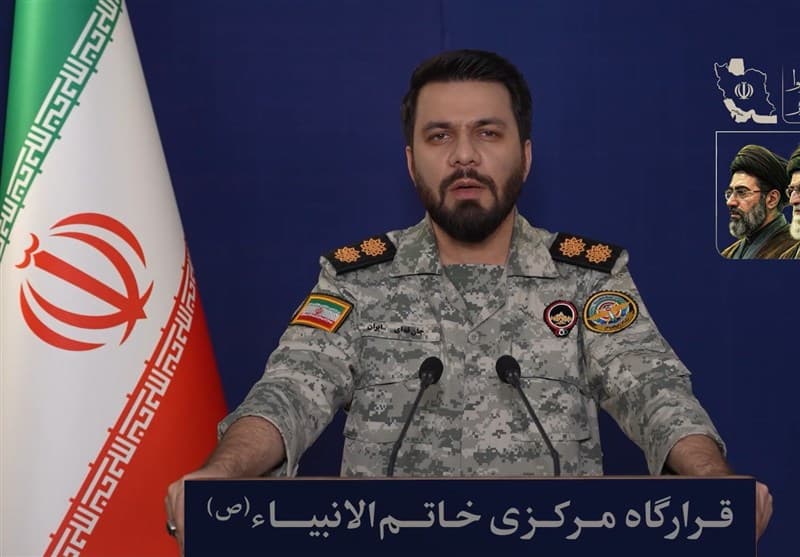
Separately, a senior Iranian political-security official told state-run Press TV that Tehran had rejected a US proposal aimed at ending the war, insisting that any ceasefire would only happen on Iran’s own terms and timeline.
“Iran will end the war when it decides to do so and when its own conditions are met,” the official said, adding that Washington’s proposals were viewed as unrealistic and disconnected from battlefield developments.
According to the official, Iran has set five key conditions for ending the conflict, including a complete halt to attacks, guarantees against future aggression, compensation for war damages, an end to hostilities across all fronts involving allied groups, and international recognition of Iran’s authority over the Strait of Hormuz.
The official said Tehran had conveyed its stance to mediators and stressed that no negotiations would take place unless all conditions were accepted.
Iran also questioned the credibility of US and Israeli calls for talks, saying their actions had undermined trust in diplomatic efforts.
The official said the country would continue what they described as defensive operations until its demands are fulfilled, reiterating that the timing of any ceasefire would be determined solely by Tehran.
The move comes hours after AFP reported citing two official sources that the proposal from the United States to end the war in Iran had been sent to Tehran through Pakistani intermediaries.
Both confirmed that the 15-point plan to stop the fighting, which has spread across the Gulf and Middle East, had been "conveyed to Iran via Pakistan".
Pakistan is being touted as a possible mediator given its longstanding ties with both neighboring Iran and the United States, as well as close contacts in the region.
Earlier, Pakistan’s Prime Minister Shehbaz Sharif pitched Islamabad as a potential venue for negotiations between Iranian and US officials.
"Pakistan welcomes and fully supports ongoing efforts to pursue dialogue to end the WAR in Middle East, in the interest of peace and stability in (the) region and beyond," the PM sharif wrote on X.
"Subject to concurrence by the US and Iran, Pakistan stands ready and honored to be the host to facilitate meaningful and conclusive talks for a comprehensive settlement of the ongoing conflict."
The statement by Pakistan's prime minister came after the Tehran foreign ministry suggested on Monday that it had received messages from "some friendly countries indicating a US request for negotiations to end the war," according to the official IRNA news agency.
Iran is a long-standing ally of Pakistan, and Islamabad condemned the killing of Supreme Leader Ayatollah Ali Khamenei. It also sent congratulations to his son and successor, Mojtaba.
The development came as tensions across the Middle East continue to surge following US and Israeli strikes on Iranian targets that triggered retaliatory missile and drone attacks across the region, raising fears of a wider conflict involving multiple countries and key global energy routes.