


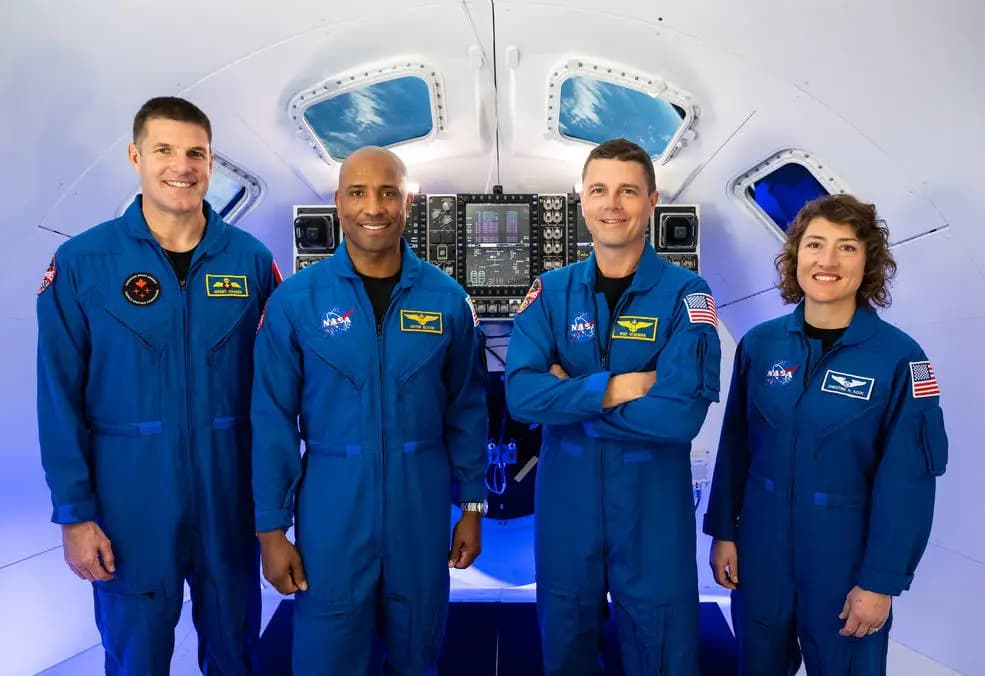
ISLAMABAD: NASA will send astronauts around the moon in February 2026, marking the first crewed lunar mission since the Apollo 17 mission in 1972.
The 10‑day mission will carry four astronauts on a lunar flyby. It is a crucial step in NASA’s Artemis program, paving the way for future landings and establishing a permanent lunar presence.
Testing systems beyond Earth
Artemis II will validate the Space Launch System rocket and Orion spacecraft's ability to support human life in deep space, according to NASA.
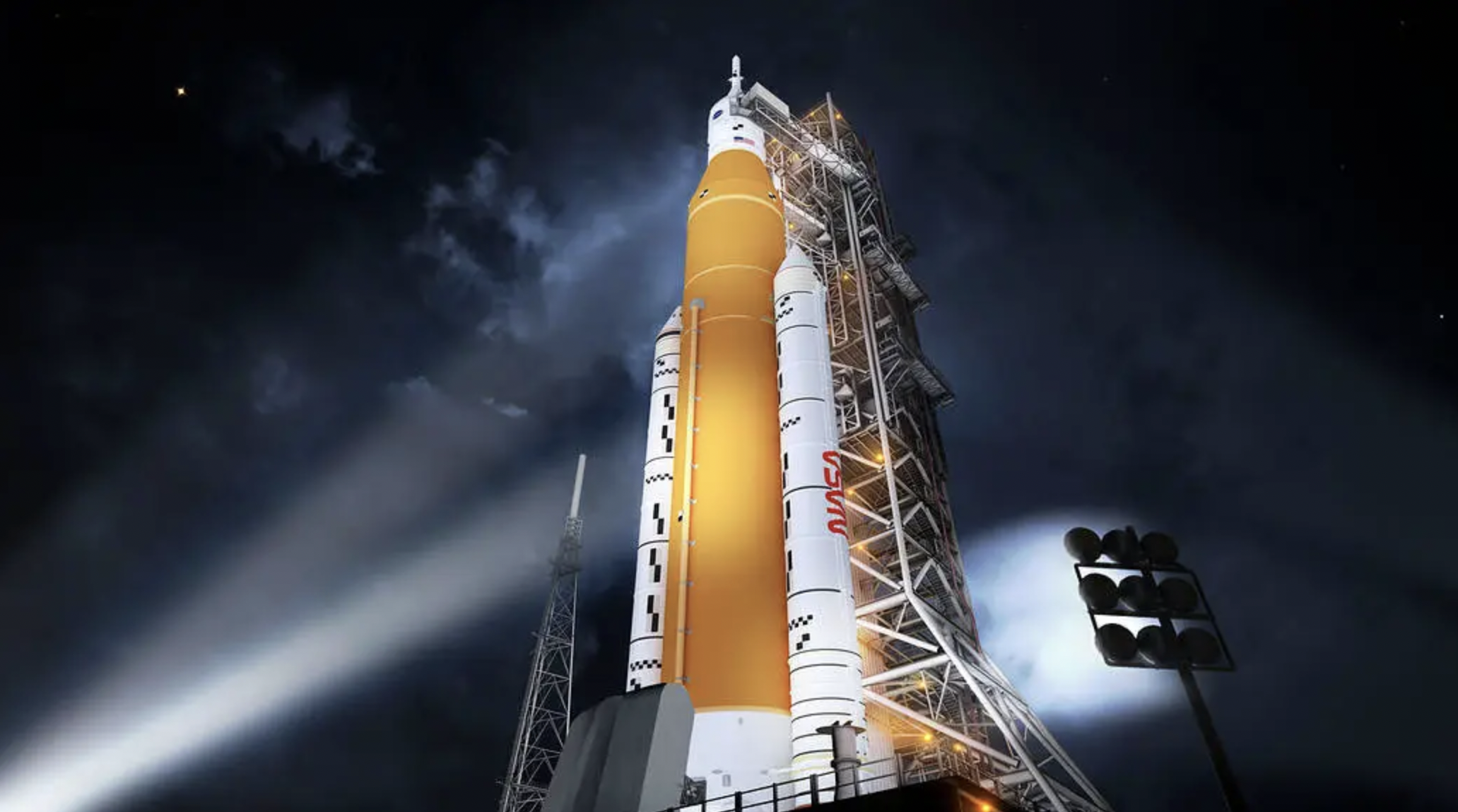
This illustration shows NASA’s new rocket, the Space Launch System (SLS), which will send
astronauts to the Moon on the Artemis missions. (NASA)
The crew will test life-support systems that generate breathable air and remove carbon dioxide, evaluating performance during both high-activity exercise periods and rest. These tests are essential for the extended journeys required for future lunar surface missions.
Unlike Apollo missions that landed on the Moon, Artemis II follows a free-return trajectory, bringing astronauts close to the lunar surface before returning to Earth without landing.
NASA officials have described Artemis II as both a test of hardware and human endurance, requiring rigorous training before astronauts attempt more complex tasks on subsequent missions.
Meet the crew
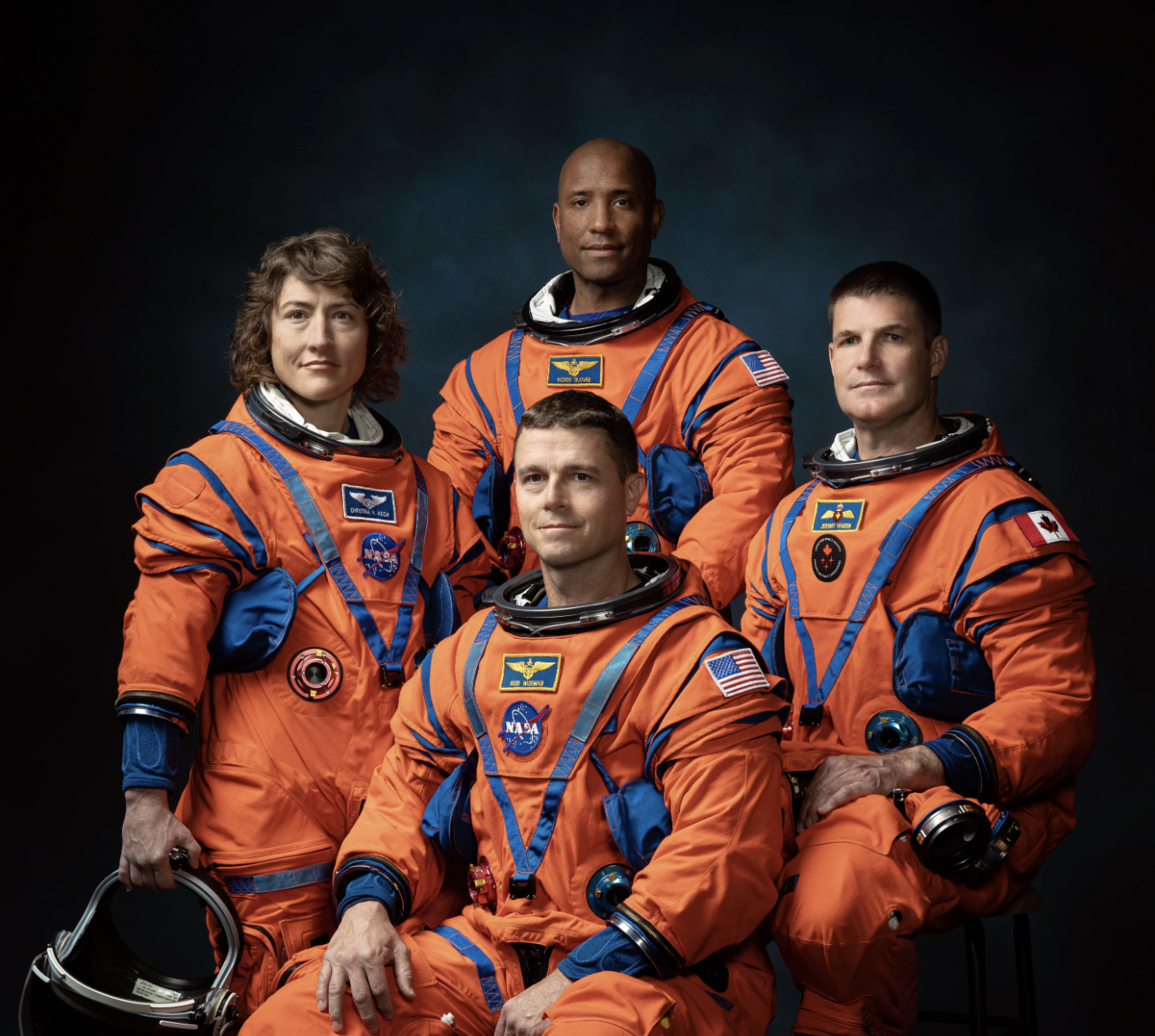
NASA astronauts (left to right) Christina Koch, Victor Glover, Reid Wiseman,
and Jeremy Hansen. (NASA/Josh Valcarcel)
NASA commander Reid Wiseman, a Navy captain with 165 days of spaceflight experience, leads the 10‑day mission.
Navy aviator Victor Glover, who piloted SpaceX's Crew-1 mission, will serve as pilot and become the first person of color to travel to the Moon.
Christina Koch, who holds the record for the longest single spaceflight by a woman at 328 days, will become the first woman to journey to lunar space.
Canadian Air Force Colonel Jeremy Hansen will complete the crew as the first non-American to venture beyond Earth orbit.
Beyond Apollo
Apollo 17 commander Eugene Cernan became the last human to walk on the Moon on December 14, 1972. The Apollo program completed six lunar landings between 1969 and 1972 before ending due to budget constraints, according to the NASA History Office.
Artemis differs fundamentally in scope. Rather than short-term missions, the program aims to establish permanent infrastructure, including the Gateway lunar space station and surface habitats, to support sustained operations and eventual Mars missions.
"NASA remains focused on getting ready to safely fly four astronauts around the Moon and back," said acting NASA Administrator Sean Duffy.
The Space Launch System rocket and Orion spacecraft are now stacked at Kennedy Space Center, with NASA looking to launch as early as February 2026. Ground teams are accelerating final preparations, including crew dress rehearsals and a wet dress rehearsal that will involve loading cryogenic propellants to simulate launch conditions.