


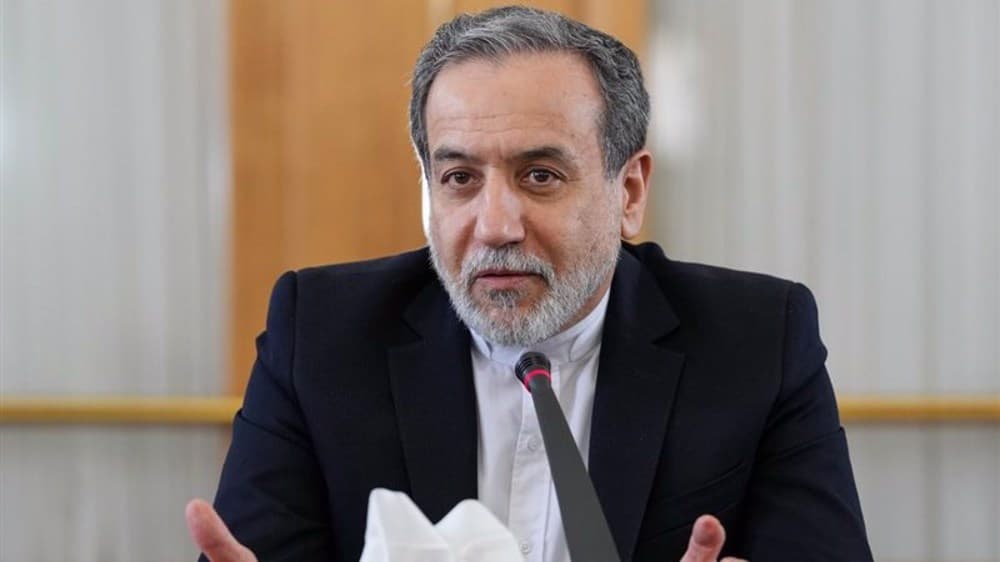
ISLAMABAD: Iranian Foreign Minister Abbas Araghchi has demanded a fundamental shift in United States policy toward Iran, warning of “ferocious” retaliation if Washington resorts to military action, after President Donald Trump issued fresh threats over Tehran’s nuclear program.
In an opinion article published in the Wall Street Journal, Araghchi said the US strategy of “maximum pressure” had failed, arguing that a year of sanctions, cyber operations and military pressure had not weakened Iran.
“The US has tried every conceivable hostile act against Iran, from sanctions and cyber assaults to outright military attack, and most recently fanning a major terrorist operation, all of which failed,” Araghchi wrote. He called on Washington to abandon pressure tactics and adopt what he described as a policy of “respect.”
Araghchi’s comments came shortly after President Trump warned Iran to “stop with the nuclear,” claiming Tehran halted the killing of protesters after he threatened military action.
Speaking in a wide-ranging interview with CNBC on the sidelines of the World Economic Forum in Davos, Trump said Iran should abandon its nuclear activities, adding that his warnings had forced Tehran to change its behavior.
Trump said major US air strikes last June had ended Iran’s nuclear capacity and insisted Iran “can’t do the nuclear,” warning that “if they do it, it’s going to happen again.” He also said he hoped no further military action would be necessary, but stressed that the US would react if Tehran restarted its nuclear efforts.
The Iranian foreign minister rejected the claim and accused Washington of fueling instability in the region. He said Trump’s first year in office had brought “only bloodshed,” pointing to civilian casualties in Palestine, Lebanon, Syria, Yemen, and Iran.
Diplomacy undermined
Araghchi said Iran and the US were close to breakthroughs during indirect talks in Oman last year, but alleged that progress was repeatedly blocked by “Israel’s proxies in the White House.”
He also criticized the US decision in September 2025 to push European countries to trigger the “snapback” mechanism under the 2015 nuclear deal, calling it a major miscalculation that destroyed chances of de-escalation.
While stressing that Iran remains open to a “fair and balanced” agreement, Araghchi said recent events had made Tehran deeply sceptical of Washington’s intentions.
Warning of retaliation
Although stating that he “abhors war,” the Iranian foreign minister warned that Iran would respond forcefully to any new military action.
“Unlike the restraint shown in mid-2025, Iran’s armed forces have no qualms about firing back with everything we have,” he said, warning that any conflict would be long-lasting and spread across the wider region.
Araghchi also dismissed what he described as “fantasy timelines” promoted by Israeli officials, saying a full-scale confrontation would have global consequences.
Unrest and accusations
Addressing recent unrest inside Iran, Araghchi claimed that initially peaceful economic protests were hijacked by foreign-backed armed groups seeking to provoke US intervention. He accused Western media of promoting “distorted narratives” about the violence.
He said Iranian security forces faced coordinated attacks by armed groups, adding that the violence lasted less than three days and had since been brought under control.
“No government would sit idly by as its citizens were subjected to such unfathomable horrors,” Araghchi said, insisting Iran preferred peace but would not be intimidated by threats or pressure.
The exchange of sharp statements highlights rising tensions between Tehran and Washington, raising fears of further escalation in an already volatile region.