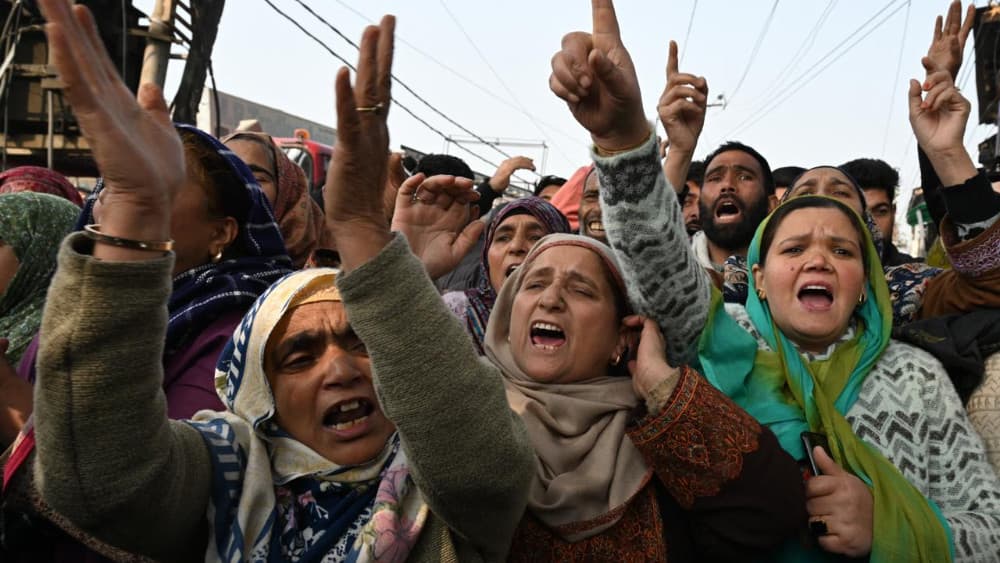
ISLAMABAD: A renewed debate over patriotism and Muslim identity has erupted in India after Jamiat Ulama-i-Hind president Maulana Mahmood Madani publicly refused to recite “Vande Mataram,” India's national song, during a televised interview, saying Muslims cannot be compelled to sing it.
Speaking on NDTV, Madani argued that the media and government have “pushed the Muslim community against the wall,” adding, “I’m not stopping anyone from singing it, but no one can force Muslims to say Vande Mataram,” he said.
His remarks triggered a sharp backlash across sections of Indian media and social platforms, with several right-wing commentators calling for action against him.
Some posts demanded police intervention, while others linked his stance to historical opposition by Islamic scholars.
At the same time, many Indian Muslims voiced support for Madani online, arguing that his position reflects constitutional rights and concerns about discrimination.
The controversy comes as the Lok Sabha is set to hold a special discussion later this week to mark the 150th anniversary of Vande Mataram.
According to Indian media reports, a senior MP said the session will be a key highlight of the winter sitting, allowing members to discuss the song’s role in the freedom movement, India’s cultural heritage, and its current relevance. Prime Minister Narendra Modi is also expected to participate.
Why do Indian Muslims refrain from chanting Vande Mataram?
Muslim leaders have long objected to Vande Mataram on religious and historical grounds. Parts of the original poem describe India as a goddess and include elements of worship, which many Muslims believe conflict with Islamic teachings.
The slogan also originates from Bankim Chandra Chatterjee’s 1882 novel "Anandamath," which portrays Muslims as antagonists, prompting figures such as Maulana Azad to oppose mandatory recitation.
India’s Constitution and Supreme Court have repeatedly affirmed that no citizen can be forced to chant any patriotic slogan, making the singing of Vande Mataram voluntary.




.jpg&w=3840&q=75)