
How Pakistan's resilient diplomacy made US-Iran peace deal possible
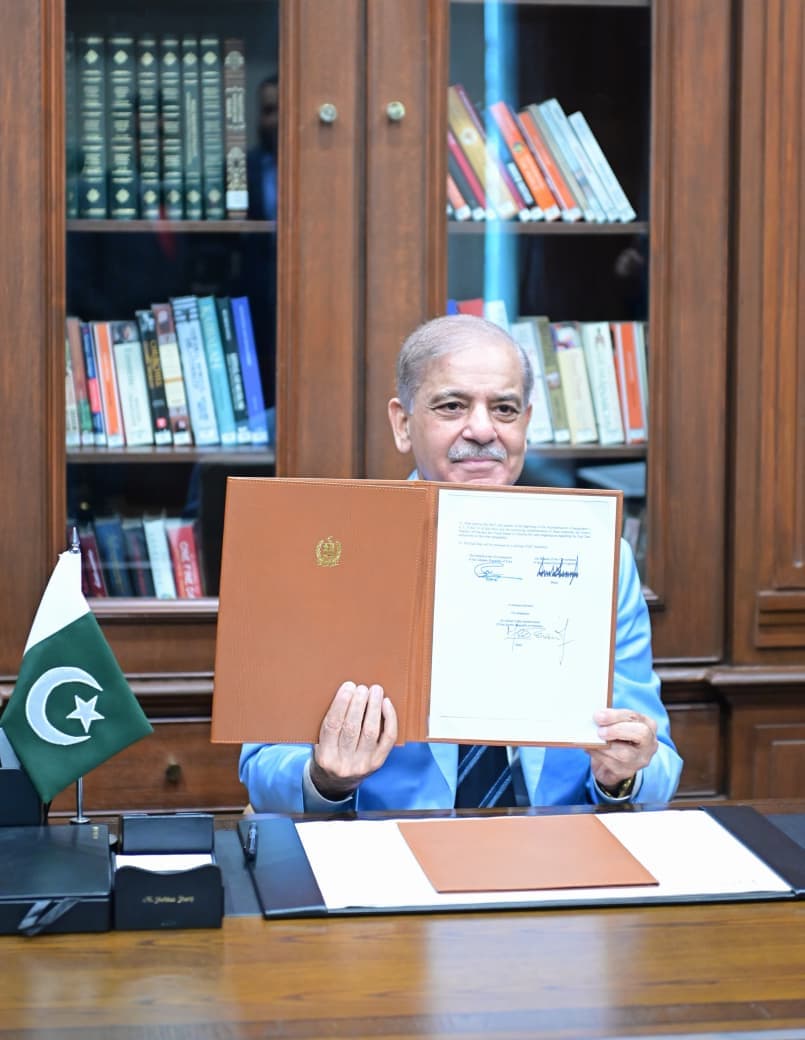
The signing of Islamabad MOU. (Photo: PM Office)
ISLAMABAD: The signing of the Islamabad Memorandum of Understanding between the United States and Iran marks a significant diplomatic breakthrough, achieved after months of sustained tensions, repeated setbacks, and moments when the process appeared on the verge of collapse.
Beyond the understanding itself, the development underscores Pakistan’s demonstrated capacity to sustain diplomacy under pressure, maintaining engagement between two adversaries even as military escalation threatened to overshadow political dialogue.
A fragile path to the deal
The road to the MoU was marked by recurring crises that repeatedly threatened to derail negotiations.
Following the April 8 ceasefire announcement, hostilities persisted across multiple fronts, particularly in Lebanon, while Iran restricted commercial traffic through the Strait of Hormuz. Failed talks in Islamabad and a subsequent US naval blockade of Iranian ports further heightened fears of direct confrontation.
Through April and May, the situation deteriorated, with military exchanges, including US-led maritime operations and Iranian retaliatory strikes, pushing the ceasefire to the brink. At one point, US President Donald Trump described the truce as being on “life support,” underscoring how close the process had come to collapse.
The most serious setback came on June 1, when Iran suspended talks in response to Israeli military operations in Lebanon. Days later, Israeli strikes in Beirut once again threatened to derail negotiations just hours before the agreement was finalized.
Despite these repeated crises, dialogue did not break down.
Pakistan’s persistence under pressure
Diplomatic observers note that Pakistan’s role stood out for its consistency at a time when both Washington and Tehran hardened their positions and prospects for agreement appeared increasingly remote.
Rather than stepping back during periods of escalation, Islamabad continued to engage both sides, keeping communication channels open even as military actions unfolded.
Former ambassador to the United Nations Munir Akram said Pakistan played a critical role in preventing the negotiating process from collapsing at multiple stages.
“There were many points in these negotiations where there was a danger of a breakdown, and Pakistan, through its diplomacy, prevented that,” he said.
Former foreign secretary Ambassador Shamshad Khan similarly emphasized Pakistan’s sustained role, describing it as part of a broader demonstration of diplomatic resilience.
“Pakistan has been playing an important role during this current Middle East crisis,” he said, while cautioning that “agreeing to something is one thing, but finally implementing that agreement is another.”
He stressed that the MoU represents only an initial step, noting that “both sides still have many things to settle,” and that further negotiations could take months before key differences are resolved.
Keeping dialogue alive
At several points during the crisis, military escalation appeared to have overtaken diplomacy altogether. Yet Pakistan continued to advocate engagement, reinforcing the possibility of negotiation when confidence between the parties was at its lowest.
Ambassador Shamshad Khan pointed to sustained high-level engagement with Washington as an important factor in maintaining momentum.
He said Pakistan’s leadership “has enjoyed goodwill,” which helped preserve space for continued dialogue.
While he did not directly claim that Pakistan shifted US policy, his remarks highlight the level of trust and access Islamabad maintained during a highly volatile period.
Beyond mediation
Analysts say Pakistan’s role may extend well beyond facilitating initial dialogue, particularly as the region moves toward a more structured phase of negotiations.
Ambassador Shamshad Khan underscored that the MoU must be formalized at the international level to carry weight.
“This MoU has to be given international legality by going to the United Nations Security Council. Without that, this MoU will be meaningless,” he said.
He further argued that Pakistan is well-positioned to help shape a broader regional security framework.
“Pakistan is going to be involved in delineating a new architecture of regional security … it has an important role to bring all these regional states together,” he said, advocating for a collective security approach among Middle Eastern states.
Consistency and strategic relevance
Former diplomats point to policy consistency as a defining feature of Pakistan’s approach throughout the crisis.
“Pakistan’s leadership and the Foreign Office have maintained consistency in our Middle East policy throughout this process. We should remain steadfast in this policy,” Shamshad Khan said.
He also highlighted Pakistan’s enduring geopolitical importance, noting that its role in the crisis reflects a longer history of facilitating critical diplomatic openings.
“It is not personality. It is the geopolitical location of Pakistan that gives it importance,” he remarked, recalling Pakistan’s role in enabling US-China rapprochement.
A cautious but notable achievement
Despite the breakthrough, both diplomats cautioned that the deal remains fragile and its success will depend on careful implementation and continued restraint.
Munir Akram described the MoU as “a very important step in the peace process” but warned that significant issues remain unresolved and require sustained negotiation.
Shamshad Khan echoed this caution, emphasizing that Pakistan’s role is ongoing, both in supporting implementation and in helping shape the next phase of regional diplomacy.
The Islamabad MoU, while not a final settlement, reflects what analysts describe as a key lesson of the crisis: even at moments of intense confrontation, sustained diplomatic engagement can prevent complete breakdown.
For Pakistan, the memorandum of understanding exemplifies persistence under pressure, keeping adversaries at the table when conflict seemed more likely, and sustaining hope for dialogue when it appeared to be failing.
Latest News
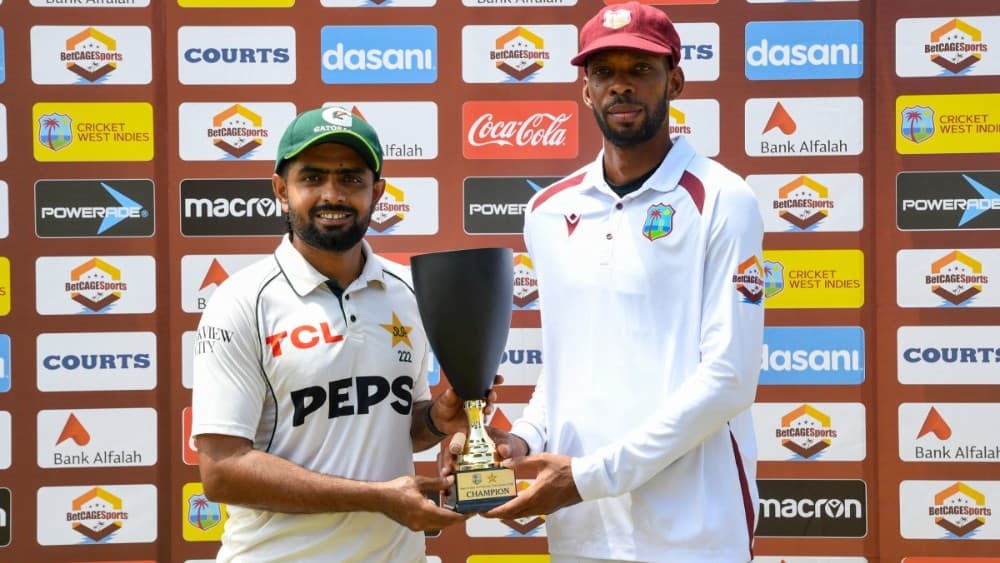
Pakistan beat West Indies by eight wickets to level series
AN HOUR AGO
Pakistanis being unfairly targeted, Shabana Mehmood appeasing far right: Activist
AN HOUR AGO
Bangladesh ‘outraged,’ says ousted Hasina’s India appearance ‘deeply hurtful’ to ties
AN HOUR AGO
SIFC unlocks $200M strategic mining investment in Khuzdar
3 HOURS AGO

Anthropic AI used fake identities to target real people in UK test
4 HOURS AGO