ISLAMABAD: Several Indian media outlets have mischaracterized a new Canadian intelligence assessment by conflating the broader Khalistan movement with a small subset of violent extremists, according to a review of the Canadian Security Intelligence Service Public Report 2025.
The report does not label the Khalistan movement itself as a national security threat. Instead, it narrowly identifies Canada-based Khalistani extremists (CBKEs) involved in violence as an ongoing concern.
The operative sentence in the report is explicit: “Ongoing involvement in violent extremist activities by CBKEs continues to pose a national security threat to Canada and to Canadian interests.”
That distinction is central.
Contrary to headline framing in several Indian publications, the Canadian intelligence assessment does not declare all Khalistan supporters or political advocates as extremists.
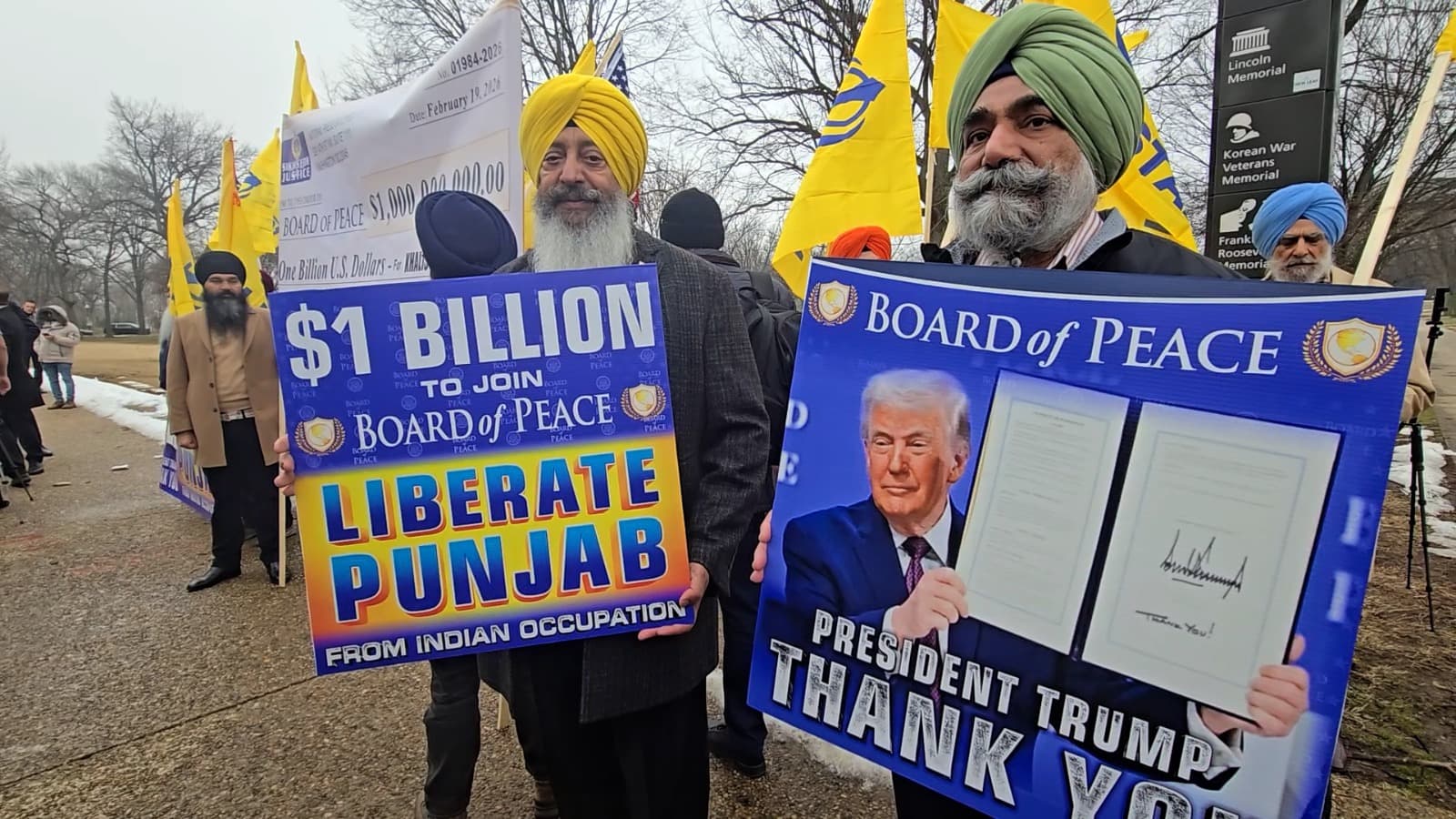
The report expressly states that “non-violent advocacy for the creation of a state of Khalistan” is lawful and “not considered extremism.”
It further narrows the category, stating that only a “small group of individuals” using Canada as a base to “promote, fundraise, or plan violence primarily in India” are considered Khalistani extremists.
The same report also notes that there were no CBKE-related attacks in Canada in 2025, undercutting broader claims that Canada has formally designated the wider Khalistan movement as a direct domestic threat.
The distinction matters because it separates political advocacy from violent militancy. A line protected under Canadian law and democratic norms.
The misleading framing comes at a time of sustained diplomatic tensions between Canada and India following the 2023 killing of a Sikh separatist leader outside a temple in Vancouver.
Canada alleged that India orchestrated the plot on Canadian soil that led to the killing of the Sikh separatist, and publicly raised those concerns at the highest political and diplomatic levels, deepening an already fraught standoff between the two countries.
The CSIS report is unambiguous: violent extremism remains a threat; political advocacy does not.


.jpg&w=3840&q=75)
.jpg&w=3840&q=75)
.jpg&w=3840&q=75)