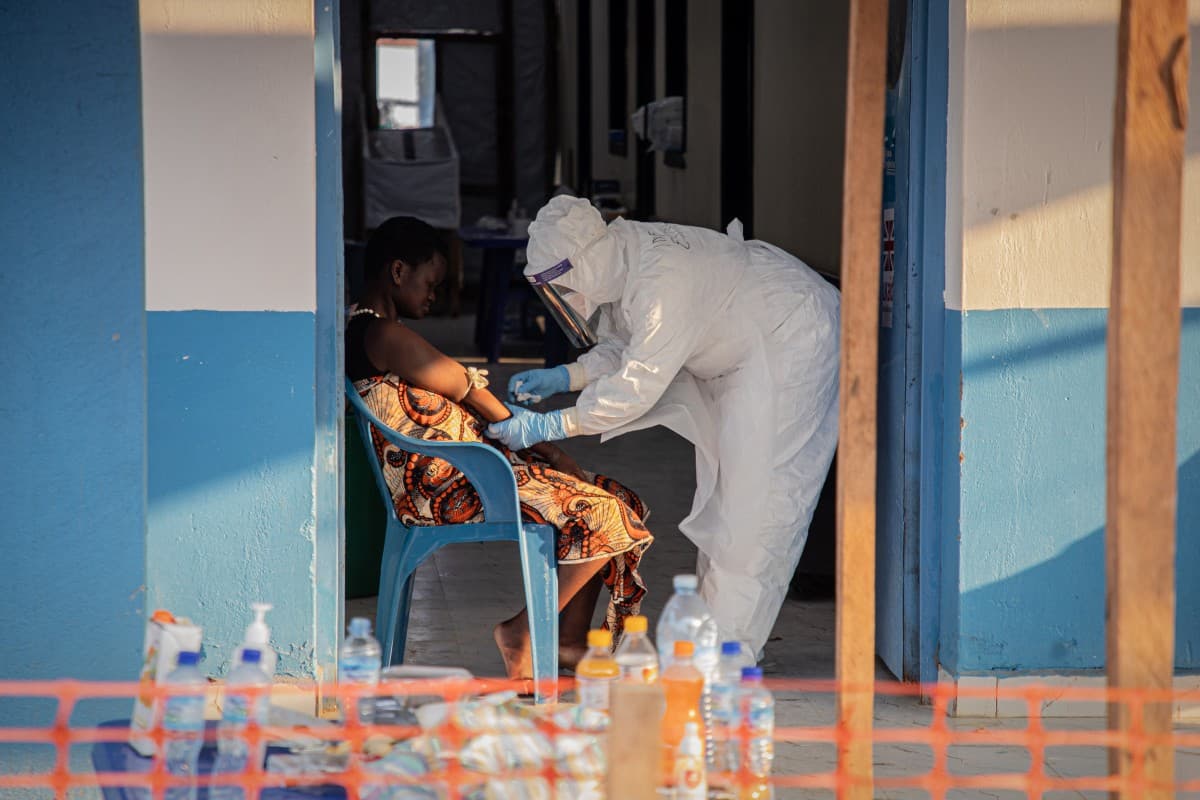


KINSHASA: A deadly Ebola outbreak has spread to a fourth province in the Democratic Republic of Congo, meaning the country's entire northeast home to around 15 million people is affected.
So far, the epidemic has claimed 360 lives out of 1,274 confirmed cases, according to figures from the World Health Organization.
The DRC declared its 17th outbreak of the viral haemorrhagic fever on May 15. This time, it is caused by the Bundibugyo strain, for which there is no vaccine or specific treatment.
Clinical trials are set to begin in the coming days, according to the WHO, which has issued an international alert over the disease.
The conflict-hit Ituri province is the epicentre of the outbreak, reporting 1,165 cases and 301 deaths, according to health authorities.
Scientists and aid workers say the real numbers are likely higher.
Until now, two other provinces had been affected: North Kivu and South Kivu.
Twenty cases, including two deaths, have also been reported across the border in Uganda.
Haut-Uele, bordering South Sudan and the Central African Republic, is now the fourth affected province.
One case was detected after an infected person travelled from Bunia, Ituri's capital, into Haut-Uele, according to a source at the National Institute of Biomedical Research (INRB). That person has since died, another health source told AFP.
Authorities are now trying to trace the chain of transmission and identify contacts.
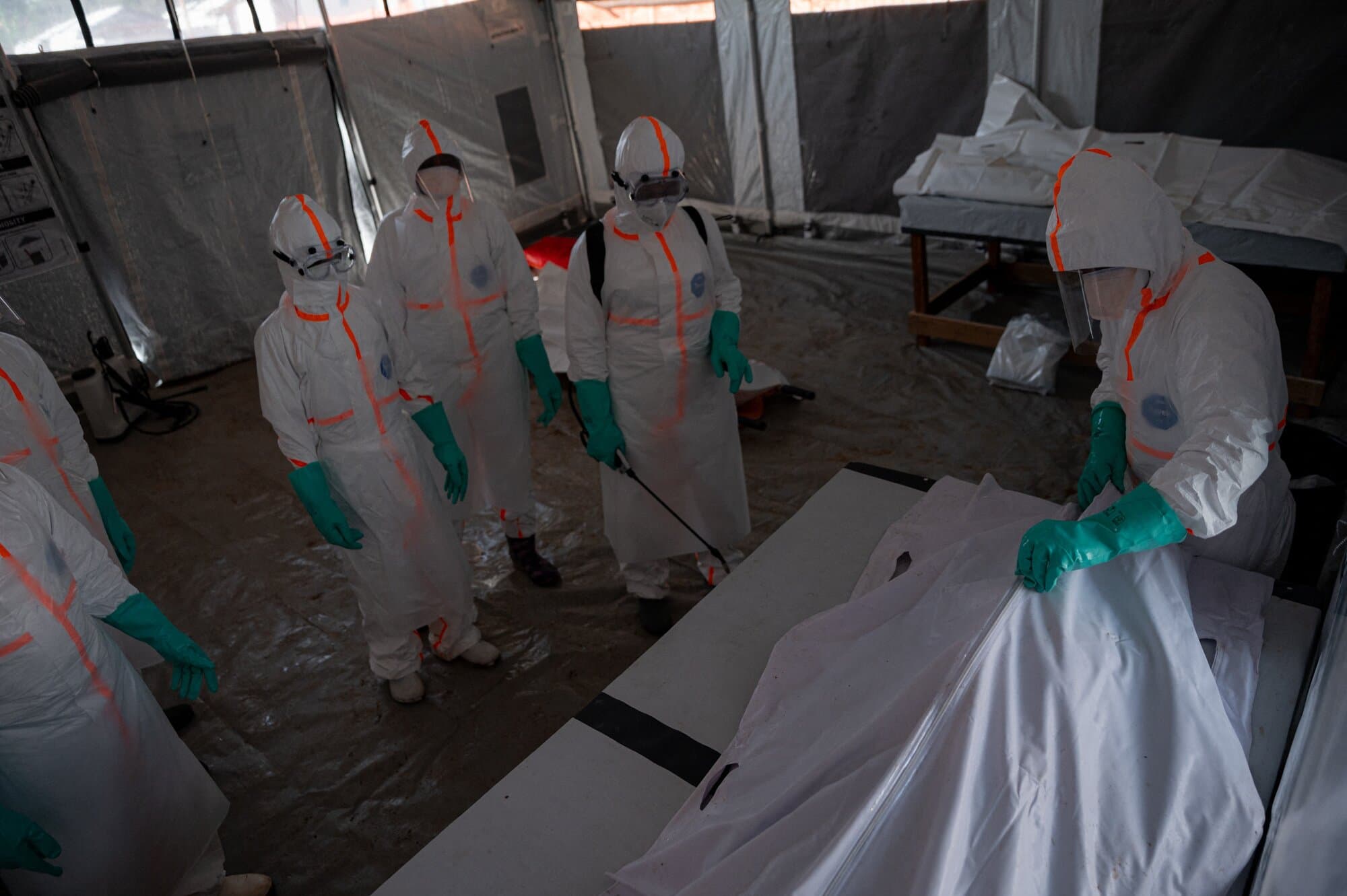
In many cases, the virus has spread at funerals, where the highly infectious bodies of Ebola victims are handled.
For weeks, aid workers, facing mistrust among local communities, have struggled to plan safe burials in affected areas to prevent contact with the dead.
In the DRC, as in much of Africa, funerals often last several days, during which family and friends traditionally touch the body of the deceased.
Health centres have reported incidents of angry confrontations after relatives demanded they hand over the bodies of their family member.