ISLAMABAD: A government-appointed commission in Bangladesh has concluded that thousands of enforced disappearances during the immediate past regime were politically motivated and involved senior officials, including former prime minister Sheikh Hasina, state-run Bangladesh Sangbad Sangstha (BSS) reported.
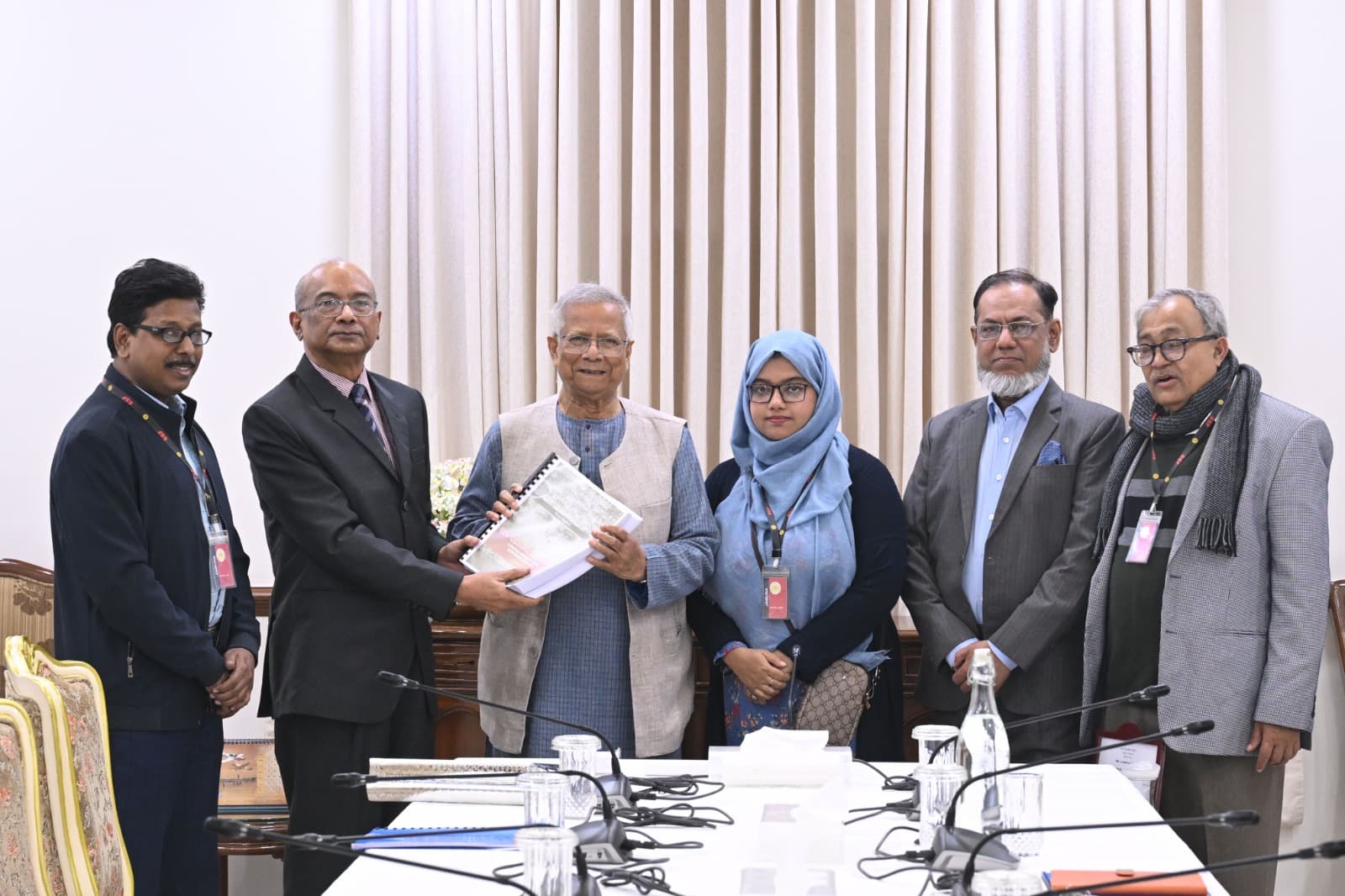
The Commission of Inquiry on Enforced Disappearances on Sunday submitted its final report to Chief Adviser Muhammad Yunus in Dhaka, finding that enforced disappearances were largely driven by political considerations and carried out at the highest levels of government.
The report, titled Unfolding the truth: a structural diagnosis of enforced disappearance in Bangladesh, said 1,569 verified complaints of enforced disappearances were recorded, with 287 cases falling into “missing and dead” categories. The commission noted the actual number could be significantly higher.
Commission members said evidence indicated the involvement of then prime minister Sheikh Hasina, her security and defence adviser Tarique Ahmed Siddique, and then home minister Asaduzzaman Khan in multiple high-profile disappearance cases. In many instances, Hasina was identified as the direct order-giver behind the enforced disappearances.
The inquiry found that 75% of the survivors were leaders and activists of Jamaat-Shibir, while among those still missing, 68% were linked to the Bangladesh Nationalist Party (BNP), with the rest associated with Jamaat-Shibir.
Chief Adviser Muhammad Yunus described the report as historic and emphasised the need to address the atrocities and prevent such violations in the future.
The findings come amid ongoing efforts by the interim government to provide justice for victims and reform institutions implicated in human rights abuses during Hasina’s long tenure in office.








.jpg&w=3840&q=75)