


ISLAMABAD: The Asian Development Bank (ADB) has approved $381 million in financing for three major development projects in Pakistan’s Punjab province, targeting agriculture, education, and health reforms, an official statement said Saturday.
The funding aims to accelerate economic growth and improve public services in Pakistan’s most populous province, which generates more than half of the country’s economic output.
ADB Country Director for Pakistan Emma Fan said the package will deliver transformative benefits.
“Investing in education, health, and agricultural mechanization will play a transformative role in driving the growth of Punjab, a vital pillar of Pakistan’s economy,” she said. “These strategic investments will modernize agriculture, enhance human capital, and significantly improve livelihoods for millions of people across Punjab.”
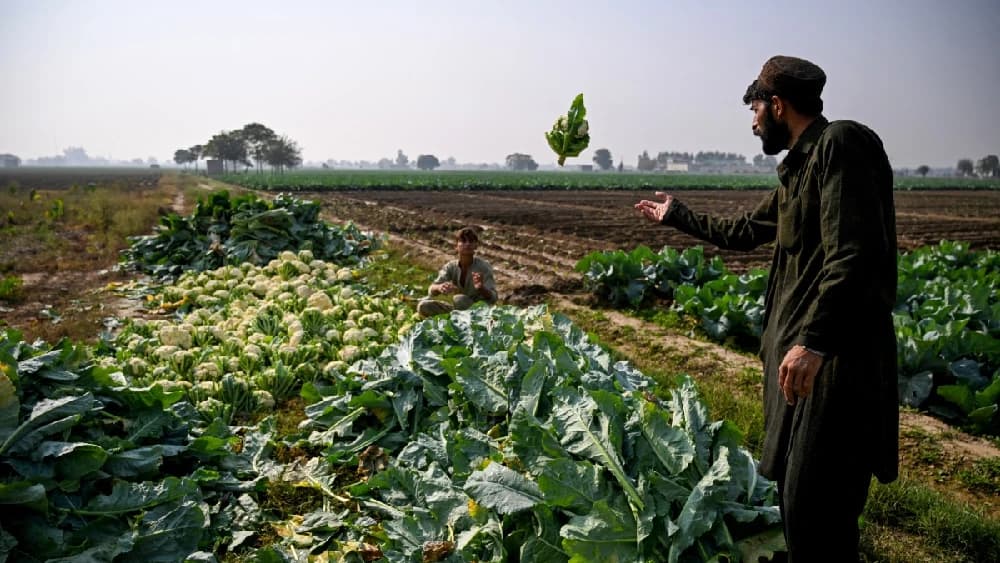
A $120 million concessional loan and a $4 million grant will fund the Punjab Climate-Resilient and Low-Carbon Agriculture Mechanization Project. The initiative is expected to benefit 220,000 rural farm households by modernizing farming practices, strengthening climate resilience, and promoting low-carbon technologies.
Punjab produces 75% of Pakistan’s wheat, 69% of its rice, and 91% of its maize. However, outdated machinery contributes to significant crop losses, while crop residue burning exacerbates air pollution. The ADB-backed project will deploy modern machinery, including rice harvesters, and provide skills training for 15,000 women, creating new employment opportunities.
To enhance human capital, ADB has approved $107 million for the Responsive, Ready, and Resilient STEM Secondary Education in Punjab Program, comprising a $100 million concessional loan and a $7 million grant.
The initiative will modernize secondary education with an emphasis on inclusive Science, Technology, Engineering, and Mathematics (STEM) learning. Implemented by the Punjab School Education Department, the program aims to expand access to quality education for students across the province.
The bank has also approved a $150 million concessional loan for the Punjab Nursing and Health Workforce Reform Program to address a critical shortage of qualified nurses in Pakistan. The program will modernize nursing education, introduce disaster-resilient training facilities, and strengthen workforce governance.
Three centers of excellence will be established in Lahore, Multan, and Rawalpindi, featuring advanced simulation labs, digital learning platforms, and gender-responsive hostels.
“By expanding opportunities for women in the health sector, the program aims to significantly improve health service delivery across Punjab and support employment opportunities abroad,” Fan said.
Broader development partnerships
Separately, Pakistan and the ADB signed agreements totaling $61.8 million for development projects in connectivity, urban transport, and water management, according to Pakistan’s Press Information Department.
These include the Karachi-Rohri section of Main Line-I ($10 million), Quetta Bus Rapid Transit ($3.8 million), and the Balochistan Water Resources Development Sector Project ($48 million).
The economic affairs ministry expressed appreciation for ADB’s role as a trusted development partner. “These projects will significantly contribute to Pakistan’s long-term economic growth, address urban infrastructure needs, and enhance agricultural productivity in Balochistan,” the ministry said in a press release.