PARIS: Discrimination based on religion has increased in France, a report by the country's rights ombudswoman found Thursday, with one in three Muslims surveyed saying they had suffered from it.
France has a significant Muslim community through immigration from its former colonies, including in North Africa.
French law bans collecting data on a person's race, ethnicity or religion, which makes it difficult to have broad statistics on discrimination.
But the office of rights chief Claire Hedon cited a 2024 survey of 5,000 people representative of France's population.
Seven percent of those interviewed said they had suffered discrimination based on religion during the past five years, compared to just 5% in 2016, it said.
The rate was highest among people of Muslim heritage.
Up to 34% of Muslims — or people perceived as Muslims — said they had been discriminated against, compared to 19% for other religions, including Judaism and Buddhism, and just 4% among Christians.
The rate stood at 38% for Muslim women, compared to 31% for their male counterparts.
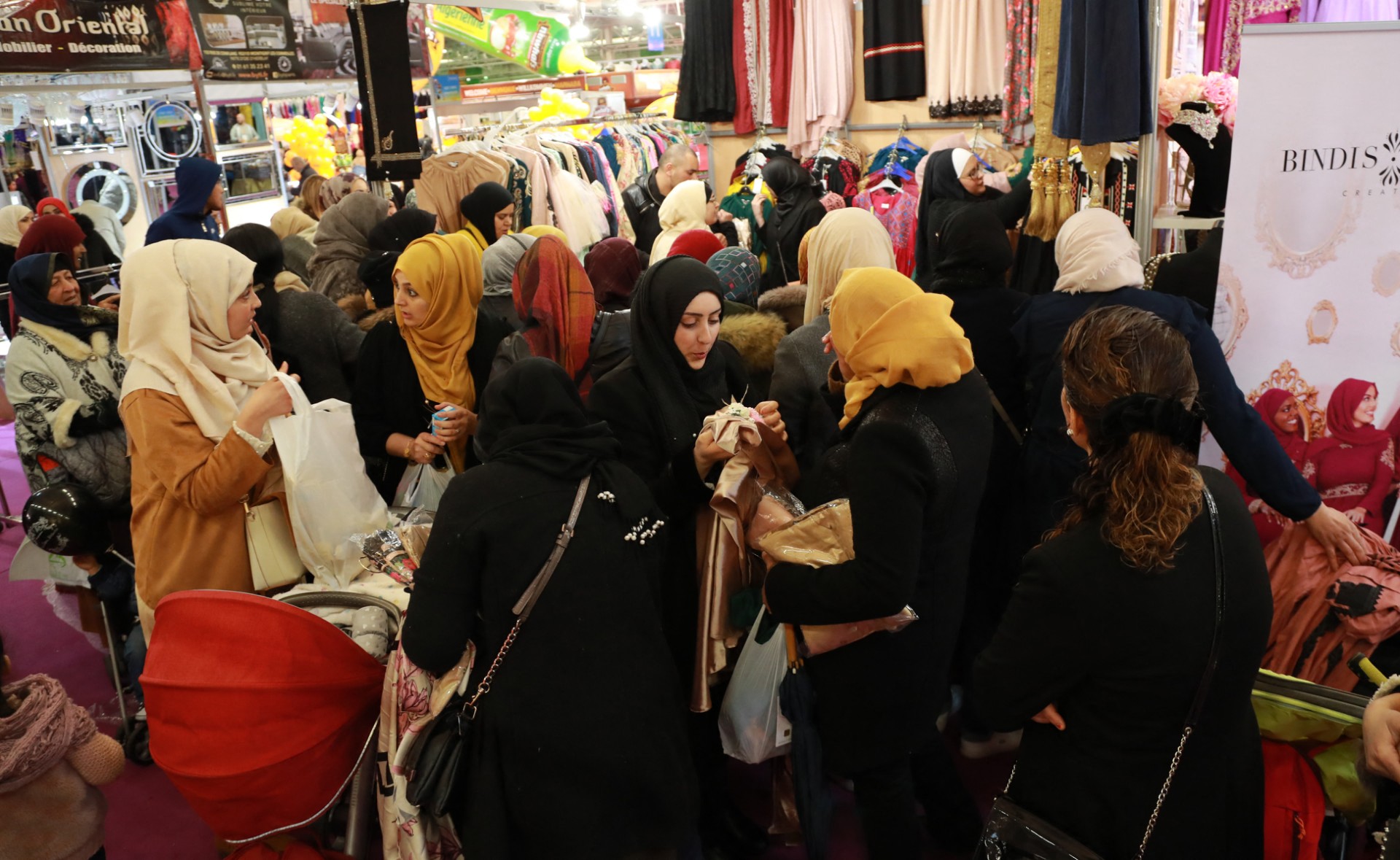
Discrimination could lead to exclusion, especially for Muslim women wearing a headscarf, the report said.
"Stigmatised in public spaces, they face restrictions on their careers," it said.
That could include being forced to give up jobs, accept positions for which they are overqualified, or turn to community businesses or self-employment when they cannot find a job, it said, noting they were also sometimes banned from playing sport.
'Incorrect interpretation' of secularism
French secularism stems from a 1905 law that protects "freedom of conscience," separates church and state, and ensures the state's neutrality.
But in recent years, it has been cited as a justification for bans on visible religious symbols such as the Muslim headscarf in some spheres, such as state schools.
Some French Muslims say the country feels increasingly hostile, especially as the right and far right across mainstream media warn of what they describe as "Islamist encroachment" after the country's worst-ever "jihadist" attacks in Paris in 2015.
The report noted that around a quarter of people surveyed in another study misunderstood French secularism to mean "a ban on religious symbols in public spaces," which was an "incorrect interpretation."
It said this "gap between social perception and the reality of the legal framework" was likely linked to an increasingly secular society, but also repeated "political and media discourses."
It called for better education on French secularism, saying political measures often cited as fighting segregation along religious lines — like banning women from wearing headscarves in certain settings — instead "contribute to fostering it."
Rights groups and activists have argued that banning headscarves still amounts to telling a woman what to wear rather than allowing her to make her own choice.







.jpg)